Introduction to Plantar Fasciitis and Physical Therapy
Physical therapy for plantar fasciitis – Plantar fasciitis is a common condition that causes heel pain due to inflammation of the plantar fascia, a thick band of tissue that connects the heel bone to the toes. It is often caused by repetitive strain or overuse of the foot, leading to small tears in the fascia.
Physical therapy plays a crucial role in treating plantar fasciitis by focusing on stretching and strengthening exercises to improve flexibility, reduce pain, and promote healing. This non-invasive approach aims to address the root causes of the condition and prevent future recurrences.
Benefits of Physical Therapy for Plantar Fasciitis
- Reduce Pain and Inflammation: Physical therapy techniques such as massage, manual therapy, and ultrasound can help alleviate pain and reduce inflammation in the affected area.
- Improve Range of Motion: Through targeted exercises and stretches, physical therapy can enhance flexibility and range of motion in the foot and ankle, allowing for better mobility.
- Strengthen Muscles: Strengthening exercises for the lower leg and foot muscles can improve support and stability, reducing the strain on the plantar fascia.
- Correct Biomechanical Issues: Physical therapists can assess and address any underlying biomechanical issues contributing to plantar fasciitis, such as improper foot alignment or gait abnormalities.
- Prevent Recurrence: By providing education on proper footwear, stretching techniques, and activity modifications, physical therapy can help prevent future flare-ups of plantar fasciitis.
Physical Therapy Techniques for Plantar Fasciitis
Physical therapy plays a crucial role in the treatment of plantar fasciitis. Various techniques are used to help alleviate pain and improve mobility in individuals suffering from this condition.
Stretching Exercises
- One common physical therapy technique for plantar fasciitis is stretching exercises focused on the calf muscles, Achilles tendon, and plantar fascia.
- These exercises help improve flexibility, reduce tightness, and strengthen the muscles and tendons in the foot and lower leg.
- Stretching can also help increase blood flow to the affected area, promoting healing and reducing inflammation.
Massage Therapy
- Massage therapy is another effective technique used in physical therapy for plantar fasciitis.
- Massage helps to release tension in the muscles, improve circulation, and reduce pain and discomfort in the foot.
- By targeting specific trigger points and areas of tightness, massage therapy can help improve mobility and function in individuals with plantar fasciitis.
Ultrasound Therapy
- Ultrasound therapy is a non-invasive treatment that uses high-frequency sound waves to target the affected area.
- This technique can help reduce inflammation, promote tissue healing, and alleviate pain in individuals with plantar fasciitis.
- Ultrasound therapy is often used in combination with other physical therapy techniques to enhance the overall effectiveness of treatment.
Importance of Exercise and Stretching
Regular exercise and stretching are crucial components in the treatment and prevention of plantar fasciitis. These activities help strengthen the muscles in the foot and ankle, improve flexibility, and reduce the risk of further injury.
Recommended Exercises and Stretches
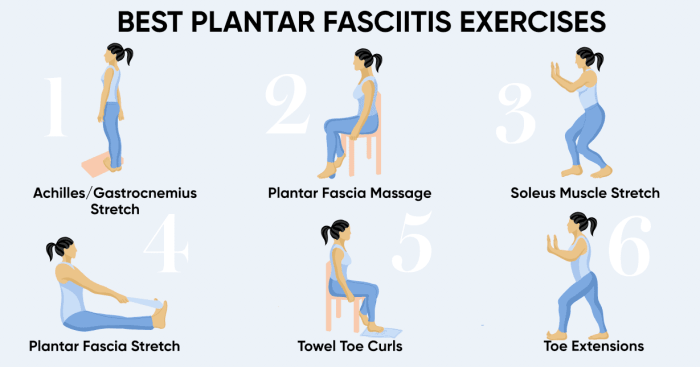
- Calf stretches: Stand facing a wall with one foot in front of the other, keeping the back leg straight and the heel on the ground. Lean forward to feel a stretch in the calf of the back leg.
- Towel curls: Sit in a chair with a towel placed under your foot. Scrunch your toes to pull the towel towards you, strengthening the muscles in the foot.
- Ankle circles: Sit comfortably and lift one foot off the ground. Rotate your ankle in a circular motion, both clockwise and counterclockwise, to increase flexibility.
Strengthening Exercises for Foot and Ankle
- Toewalking: Walk around on your tiptoes to strengthen the calf muscles and improve balance.
- Ankle dorsiflexion: Sit with your legs straight and loop a resistance band around your foot. Flex your foot upwards against the resistance to strengthen the muscles in the shin.
Role of Flexibility and Mobility
Regular stretching and mobility exercises can help maintain flexibility in the muscles and joints of the foot and ankle, reducing the strain on the plantar fascia. By improving overall mobility, individuals can prevent the development or recurrence of plantar fasciitis.
Lifestyle Changes and Home Care
When managing plantar fasciitis, lifestyle changes and home care play a crucial role in supporting recovery and preventing further issues. These modifications can help individuals maintain the progress achieved through physical therapy and promote overall foot health.
Continuation of Physical Therapy Exercises at Home
- It is essential for individuals to continue their prescribed physical therapy exercises at home to strengthen the muscles supporting the foot and improve flexibility.
- Performing exercises such as calf stretches, toe curls, and towel scrunches regularly can help maintain progress and prevent the recurrence of plantar fasciitis symptoms.
- Consistency is key when it comes to home exercises, so it is important to follow the recommended routine provided by the physical therapist.
Importance of Proper Footwear and Foot Care, Physical therapy for plantar fasciitis
- Wearing supportive footwear that provides adequate arch support and cushioning can help alleviate pressure on the plantar fascia and reduce symptoms of plantar fasciitis.
- Individuals should avoid wearing unsupportive shoes such as flip-flops or high heels, as they can exacerbate the condition.
- Incorporating orthotic inserts or shoe modifications recommended by a healthcare provider can also aid in proper foot alignment and reduce strain on the plantar fascia.
- Practicing good foot hygiene, such as keeping feet clean and dry, can help prevent infections and complications that may arise from plantar fasciitis.
Integrative Approach to Treatment
Physical therapy is often utilized as part of an integrative approach to treating plantar fasciitis, combining various treatments to address the condition comprehensively. By incorporating physical therapy alongside other interventions like orthotics or corticosteroid injections, patients can experience improved outcomes and faster recovery times.
Benefits of a Multidisciplinary Approach
- Customized Treatment Plans: Combining multiple therapies allows for personalized treatment plans tailored to each individual’s specific needs.
- Comprehensive Care: Different treatments target various aspects of plantar fasciitis, addressing both symptoms and underlying causes for better results.
- Improved Recovery: Integrating physical therapy with other treatments can speed up the healing process and reduce the risk of recurrence.
Success Stories
Emma, a runner struggling with chronic plantar fasciitis, found relief through a multidisciplinary approach. By combining physical therapy exercises with custom orthotics, she was able to get back to her regular training routine pain-free.
John, a teacher dealing with severe heel pain, underwent corticosteroid injections in addition to physical therapy sessions. This integrated approach helped him manage his symptoms effectively and regain his mobility.
Healthy Snacks for Recovery
Consuming nutritious snacks plays a crucial role in supporting the healing process of plantar fasciitis. A balanced diet during recovery is essential to provide the necessary nutrients for reducing inflammation and promoting tissue repair.
Nutritious Snack Examples
- Almonds: Packed with vitamin E and magnesium, almonds can help reduce inflammation.
- Greek Yogurt: Rich in protein and calcium, Greek yogurt supports muscle repair and strength.
- Berries: Blueberries, strawberries, and raspberries are high in antioxidants that aid in tissue healing.
- Carrots and Hummus: Carrots are a great source of beta-carotene, while hummus provides protein and fiber for sustained energy.
Importance of Proper Nutrition
Proper nutrition is vital during recovery as it ensures that the body receives essential nutrients to support healing and reduce inflammation. By consuming a balanced diet rich in vitamins, minerals, and antioxidants, individuals can accelerate the recovery process and promote overall wellness.
Nutrition for Reducing Inflammation
Eating foods rich in omega-3 fatty acids, such as salmon and chia seeds, can help reduce inflammation in the body, aiding in the healing of plantar fasciitis.
Wellness Programs for Plantar Fasciitis
Physical therapy plays a crucial role in the recovery process for individuals dealing with plantar fasciitis. Wellness programs that incorporate physical therapy offer a holistic approach to addressing both the physical and mental aspects of recovery. These programs are designed to not only alleviate pain and discomfort but also improve overall well-being and quality of life.
Benefits of Wellness Programs
Wellness programs for plantar fasciitis focus on a combination of physical therapy techniques, exercise routines, lifestyle modifications, and mental health support to promote healing and long-term relief. These programs aim to strengthen the foot muscles, improve flexibility, correct gait abnormalities, and reduce inflammation in the plantar fascia. By addressing the root causes of plantar fasciitis, wellness programs offer comprehensive care for individuals looking to manage their condition effectively.
- Physical Therapy Sessions: Wellness programs typically include regular physical therapy sessions to target specific areas of concern and monitor progress over time.
- Customized Exercise Plans: Participants receive personalized exercise plans tailored to their needs, focusing on strengthening, stretching, and mobility exercises to improve foot function and reduce pain.
- Nutritional Guidance: Wellness programs may also offer nutritional guidance to support recovery, reduce inflammation, and promote overall health and well-being.
- Mental Health Support: Addressing the mental aspect of recovery is crucial in wellness programs, as chronic pain conditions like plantar fasciitis can have a significant impact on mental health. Support groups, counseling services, and stress management techniques are often incorporated to help individuals cope with the challenges of managing their condition.
By integrating physical therapy with holistic wellness approaches, individuals with plantar fasciitis can experience a comprehensive and effective treatment plan that addresses their physical and mental health needs.
Testimonials from Wellness Program Participants
Participants in wellness programs for plantar fasciitis have reported significant improvements in their symptoms, mobility, and overall quality of life. Many have shared how the combination of physical therapy, exercise, and lifestyle modifications has helped them regain function, reduce pain, and regain confidence in their daily activities. The supportive environment and comprehensive care provided in these programs have been instrumental in their recovery journey.
“Joining a wellness program for plantar fasciitis was the best decision I made for my health. Not only did it help me manage my pain, but it also gave me the tools and support I needed to take control of my recovery journey.” – Sarah, Wellness Program Participant
Health Coaching for Plantar Fasciitis
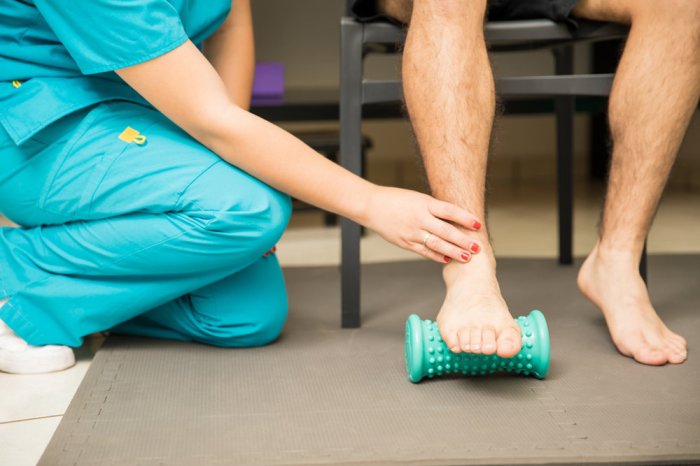
Health coaches play a crucial role in supporting individuals with plantar fasciitis by providing guidance, motivation, and personalized strategies to help them manage and recover from this condition effectively. These professionals have the expertise to assist patients in setting achievable fitness goals, implementing lifestyle changes, and maintaining a positive mindset throughout their recovery journey.
Role of Health Coaches
Health coaches work closely with individuals with plantar fasciitis to create personalized exercise plans, recommend appropriate modifications in daily activities, and offer valuable support and encouragement. They help patients understand the importance of adhering to treatment protocols, staying consistent with exercises, and making necessary lifestyle adjustments to promote healing and prevent re-injury.
Setting and Achieving Fitness Goals
- Health coaching can assist individuals in setting realistic and attainable fitness goals that align with their current physical condition and overall health status.
- Coaches provide guidance on progressively increasing exercise intensity, incorporating proper stretching techniques, and monitoring progress to ensure steady improvement.
- By working closely with a health coach, individuals can track their milestones, celebrate achievements, and stay motivated to continue their recovery journey.
Motivational Aspect of Health Coaching
- Health coaches play a vital role in motivating individuals with plantar fasciitis to stay committed to their treatment plan and maintain a positive outlook on their recovery.
- Through regular check-ins, encouragement, and reinforcement of healthy habits, coaches help patients overcome challenges, setbacks, and doubts that may arise during the healing process.
- By fostering a supportive and empowering environment, health coaches inspire individuals to stay focused, resilient, and optimistic about their ability to overcome plantar fasciitis and regain mobility.
Medical Advancements in Plantar Fasciitis Treatment
Plantar fasciitis treatment has seen significant advancements in recent years, offering new hope for individuals suffering from this common foot condition. These medical breakthroughs have introduced innovative therapies and technologies that aim to improve outcomes and provide relief for patients. Let’s explore some of the latest developments in the field of plantar fasciitis treatment.
Innovative Therapies and Technologies
- Extracorporeal Shockwave Therapy (ESWT): This non-invasive treatment uses shockwaves to stimulate healing and reduce pain in the affected area.
- Platelet-Rich Plasma (PRP) Therapy: PRP injections have shown promising results in promoting tissue repair and reducing inflammation in plantar fasciitis patients.
- Stem Cell Therapy: By harnessing the regenerative properties of stem cells, this treatment option aims to repair damaged tissue and promote healing.
Comparison with Traditional Treatment Methods
- Traditional treatments often focus on symptom management through the use of orthotics, physical therapy, and anti-inflammatory medications.
- New medical advancements offer targeted solutions that address the underlying causes of plantar fasciitis, promoting long-term healing and recovery.
- While traditional methods provide relief, innovative therapies show potential for more effective and lasting results in treating plantar fasciitis.
Fitness Goals and Plantar Fasciitis
Setting fitness goals is essential for overall health and well-being, but when dealing with plantar fasciitis, it’s important to be mindful of the impact certain activities can have on your feet. Here are some tips for setting realistic fitness goals and staying active while managing plantar fasciitis.
Tips for Setting Realistic Fitness Goals
- Avoid high-impact exercises that may exacerbate plantar fasciitis symptoms, such as running or jumping.
- Focus on low-impact activities like swimming, cycling, or using an elliptical machine to reduce strain on your feet.
- Consult with a physical therapist to create a customized exercise plan that aligns with your fitness goals and accommodates your plantar fasciitis.
Staying Active with Plantar Fasciitis
Although plantar fasciitis can be painful, it doesn’t mean you have to give up on staying active. Here are some alternative exercises and activities that are gentle on the feet but still beneficial for your overall fitness:
- Yoga: Focus on poses that improve flexibility and strength without putting excessive pressure on your feet.
- Strength Training: Work on building muscle in other areas of your body to support your feet and improve overall stability.
- Water Aerobics: Engage in water-based exercises to reduce impact on your feet while still getting a cardiovascular workout.
Balanced Nutrition for Foot Health
Nutrition plays a crucial role in overall health, including the health of our feet. When it comes to plantar fasciitis, a condition that causes heel pain and discomfort, balanced nutrition can support the recovery process and promote foot health.
Dietary Recommendations for Foot Health
- Include foods rich in anti-inflammatory properties such as fruits, vegetables, nuts, and fatty fish to reduce inflammation in the feet.
- Ensure an adequate intake of calcium and vitamin D for bone health, as strong bones can help support the arch of the foot.
- Consume foods high in antioxidants like berries and green leafy vegetables to promote tissue repair and reduce oxidative stress in the feet.
- Avoid excessive consumption of processed foods, sugar, and unhealthy fats, as they can contribute to inflammation and hinder recovery.
Impact of Hydration, Vitamins, and Minerals
Proper hydration is essential for maintaining the elasticity of the plantar fascia and preventing stiffness in the feet. Drinking an adequate amount of water throughout the day can also help flush out toxins and reduce the risk of cramps.
Vitamins such as vitamin C and E play a role in collagen synthesis and tissue repair, which are important for healing the damaged plantar fascia. Minerals like magnesium and potassium support muscle function and can help alleviate foot cramps and discomfort.
Mental Strength and Coping Strategies
Living with plantar fasciitis can be emotionally challenging, as it may affect your daily activities and overall quality of life. Coping strategies and mental strength play a crucial role in managing these emotional hurdles and staying motivated during the recovery process. Incorporating mindfulness techniques and stress-reducing activities can complement physical therapy and enhance your overall well-being.
Coping Strategies for Emotional Challenges
- Seeking support from friends, family, or a therapist to talk about your feelings and frustrations.
- Engaging in activities that bring you joy and relaxation, such as reading, listening to music, or practicing meditation.
- Setting realistic goals and focusing on progress rather than setbacks to maintain a positive mindset.
- Exploring new hobbies or interests to distract yourself from the pain and discomfort caused by plantar fasciitis.
Importance of Mental Strength in Recovery
- Staying motivated and committed to your treatment plan despite the challenges you may face.
- Believing in your ability to overcome obstacles and trusting the process of healing.
- Practicing self-care and self-compassion to nurture your mental well-being along with your physical health.
- Visualizing a future free from pain and envisioning yourself fully recovered to maintain a positive outlook.
Mindfulness Techniques and Stress-Reducing Activities
- Practicing deep breathing exercises to calm your mind and body when experiencing discomfort or frustration.
- Engaging in yoga or tai chi to improve flexibility, reduce stress, and promote relaxation.
- Journaling your thoughts and emotions to process them in a healthy way and gain perspective on your journey.
- Participating in guided imagery or visualization exercises to enhance your mental resilience and coping skills.
Yoga Practice for Plantar Fasciitis
Yoga can be a beneficial practice for individuals dealing with plantar fasciitis as it helps improve flexibility, strength, and overall well-being. By incorporating yoga into a recovery plan, individuals can work on strengthening the muscles in their feet and ankles, which can help alleviate pain and prevent future injuries.
Benefits of Yoga for Plantar Fasciitis
- Yoga helps improve flexibility in the feet and ankles, reducing stiffness and increasing range of motion.
- Strength-building poses in yoga can target the muscles that support the arches of the feet, providing stability and reducing strain on the plantar fascia.
- Yoga promotes relaxation and stress reduction, which can help manage pain and improve overall mental well-being during the recovery process.
Safe and Beneficial Yoga Poses for Foot Health
- Downward Dog: This pose helps stretch the calves, hamstrings, and arches of the feet, promoting flexibility and strength.
- Tree Pose: Balancing on one foot in this pose can help improve stability and strengthen the muscles in the feet and ankles.
- Toe Squat: Sitting back on the heels in this pose can provide a deep stretch to the soles of the feet, relieving tension and increasing flexibility.
Incorporating Yoga for Overall Well-Being
- Regular practice of yoga can enhance circulation, which can aid in healing and reduce inflammation in the feet.
- Yoga can improve posture and alignment, reducing strain on the feet and promoting proper biomechanics.
- By focusing on breath awareness and mindfulness, yoga can help individuals manage pain and stay present in their recovery journey.
Health Education and Plantar Fasciitis Prevention
Health education plays a crucial role in preventing and managing plantar fasciitis. By raising awareness and providing information on foot care practices, individuals can reduce the risk of developing this painful condition. Early intervention and education are key in preventing foot injuries and maintaining foot health.
Foot Care Practices for Prevention
- Wearing supportive shoes with proper arch support can help alleviate pressure on the plantar fascia.
- Avoid walking barefoot on hard surfaces to reduce strain on the feet.
- Engage in regular stretching exercises to improve flexibility and prevent tightness in the calf muscles.
- Maintain a healthy weight to reduce stress on the feet and lower extremities.
Role of Early Intervention
- Seeking prompt medical attention for foot pain or discomfort can prevent the progression of plantar fasciitis.
- Participating in physical therapy programs can help strengthen the foot muscles and improve overall foot mechanics.
- Understanding the symptoms of plantar fasciitis and addressing them early can prevent long-term complications.
Weight Management Strategies for Foot Health
Maintaining a healthy weight is crucial for reducing strain on the feet and lowering the risk of conditions like plantar fasciitis. Excess weight can put additional pressure on the feet, leading to inflammation and pain. Here are some tips for achieving weight management goals while dealing with foot pain.
Healthy Eating Habits
- Focus on a balanced diet rich in fruits, vegetables, lean proteins, and whole grains.
- Avoid processed foods high in sugar, salt, and unhealthy fats.
- Drink plenty of water and limit sugary beverages.
Regular Exercise Routine
- Incorporate low-impact exercises like swimming, cycling, or yoga to support weight loss without straining the feet.
- Consult with a physical therapist for tailored workout plans that consider your foot condition.
- Gradually increase physical activity to improve overall fitness and aid in weight management.
Monitoring Portion Sizes
- Avoid oversized portions and practice mindful eating to prevent overeating.
- Use smaller plates and bowls to control portion sizes and reduce calorie intake.
- Prioritize nutrient-dense foods to feel satisfied and support weight loss efforts.
Health Checkups and Monitoring Progress
Regular health checkups are essential for individuals with plantar fasciitis to monitor their condition and track progress effectively. These checkups allow healthcare professionals to assess the effectiveness of treatment plans and make necessary adjustments to ensure optimal recovery.
Importance of Physical Assessments
Physical assessments play a crucial role in monitoring the progress of plantar fasciitis treatment. By conducting regular assessments, healthcare professionals can evaluate factors such as pain levels, range of motion, and strength in the affected foot. These assessments provide valuable insights into the effectiveness of current therapies and help in determining the next steps in the treatment plan.
Role of Healthcare Professionals
Healthcare professionals play a vital role in tracking the recovery of individuals with plantar fasciitis. They use a combination of physical assessments, imaging studies, and patient feedback to monitor progress accurately. Based on the information gathered, healthcare professionals can adjust treatment strategies, recommend additional interventions, or provide guidance on lifestyle modifications to support recovery.
Monitoring Treatment Plans
Regular health checkups and monitoring progress through physical assessments help in evaluating the effectiveness of treatment plans for plantar fasciitis. By closely monitoring changes in symptoms and functional abilities, healthcare professionals can tailor therapies to meet the specific needs of each individual. This personalized approach ensures that patients receive the most effective care and support throughout their recovery journey.
Skin Health and Foot Care
Maintaining healthy skin on the feet is crucial, especially during plantar fasciitis treatment. Proper foot hygiene can help prevent infections and complications that may arise due to foot conditions. Let’s explore some tips for skin health and foot care during this time.
Common Skin Issues Associated with Foot Conditions
- Cracked heels: Use moisturizing creams and wear comfortable shoes to prevent further cracking.
- Blisters: Keep the affected area clean and dry, and avoid friction-inducing activities.
- Corns and calluses: Regularly use a pumice stone or seek professional help to remove these hardened areas.
Importance of Proper Foot Hygiene
Proper foot hygiene is essential in preventing infections and complications, especially for individuals undergoing plantar fasciitis treatment.
- Wash your feet daily with mild soap and warm water, ensuring to dry them thoroughly.
- Trim toenails straight across to avoid ingrown nails and infections.
- Avoid walking barefoot in public areas to reduce the risk of fungal infections.
Tips for Maintaining Healthy Skin on the Feet
- Apply moisturizer daily to keep the skin hydrated and prevent dryness.
- Avoid wearing tight-fitting shoes that can cause friction and irritation on the skin.
- Use cushioned insoles or pads to reduce pressure on sensitive areas of the feet.
Emotional Health Support During Recovery
Living with chronic foot pain from plantar fasciitis can take a toll on a person’s emotional well-being. The constant discomfort and limitations in mobility can lead to feelings of frustration, anxiety, and even depression. It is crucial to address the emotional impact of this condition and seek support during the recovery process.
Resources for Emotional Support and Mental Well-being
- Joining a support group specifically for individuals dealing with plantar fasciitis can provide a sense of community and understanding.
- Seeking counseling or therapy from a mental health professional can help in coping with the emotional challenges of managing chronic pain.
- Practicing mindfulness techniques such as meditation or deep breathing exercises can help reduce stress and improve emotional resilience.
Importance of Addressing Mental Health Alongside Physical Treatment
Addressing mental health is just as important as physical treatment when dealing with plantar fasciitis. The mind-body connection plays a significant role in the healing process, and neglecting emotional well-being can hinder recovery.
Supporting Loved Ones Through Recovery
- Communicate openly with family and friends about your emotional struggles and how they can support you during this challenging time.
- Encourage loved ones to educate themselves about plantar fasciitis and its impact on emotional health to foster better understanding and empathy.
- Express gratitude for the support you receive and acknowledge the efforts of those around you in helping you through the recovery process.
Health Motivation and Positive Habits
Maintaining motivation and positive habits while managing plantar fasciitis is crucial for a successful recovery journey. It can be challenging at times, but with the right strategies, individuals can stay on track with their physical therapy and lifestyle changes.
Strategies for Staying Motivated
- Set realistic and achievable goals: Break down larger goals into smaller milestones to track progress and stay motivated.
- Stay connected with a support system: Surround yourself with friends, family, or a support group who can encourage and motivate you during difficult times.
- Reward yourself: Celebrate small victories along the way to boost morale and maintain a positive mindset.
Role of Motivation in Adhering to Treatment
- Motivation plays a key role in consistent adherence to physical therapy exercises and lifestyle changes recommended for plantar fasciitis recovery.
- Having a strong motivation can help individuals stay committed to their treatment plan even when faced with challenges or setbacks.
Daily Routines for Overall Well-being
- Start the day with stretching exercises to promote flexibility and reduce stiffness in the feet.
- Incorporate healthy meals and snacks throughout the day to nourish the body and support healing.
- Practice mindfulness or meditation to reduce stress and enhance mental well-being.
Physical Activities and Plantar Fasciitis Management
Regular physical activities are essential for overall health and well-being, but for individuals with plantar fasciitis, it is crucial to choose exercises that are gentle on the feet to avoid exacerbating the condition. Staying active can actually help in managing plantar fasciitis by improving circulation, strengthening muscles, and promoting flexibility. Here are some alternative physical activities and exercises that can be beneficial for individuals dealing with plantar fasciitis:
List of Low-Impact Exercises Suitable for Plantar Fasciitis:
- Swimming: This is an excellent low-impact exercise that provides a full-body workout without putting pressure on the feet. It helps improve cardiovascular health and strengthens muscles.
- Cycling: Riding a stationary bike or cycling outdoors can be a great way to improve cardiovascular fitness and leg strength without impacting the feet.
- Yoga: Practicing yoga can help improve flexibility, balance, and strength while also promoting relaxation. Look for yoga poses that are gentle on the feet, such as seated poses or modified standing poses.
- Pilates: Pilates focuses on core strength, flexibility, and body awareness. It can help improve posture and strengthen muscles without causing strain on the feet.
- Water Aerobics: Exercising in water provides resistance without impacting the joints. Water aerobics classes can help improve cardiovascular fitness and muscle tone.
Health Awareness and Foot Conditions
Raising awareness about foot conditions such as plantar fasciitis is crucial in promoting overall foot health and well-being. By educating individuals on the signs, symptoms, and risk factors associated with these conditions, early detection and intervention can be facilitated, leading to better outcomes and improved quality of life.
The Importance of Health Awareness
- Increased awareness can help individuals recognize the early signs of foot conditions like plantar fasciitis, prompting them to seek medical attention and treatment sooner rather than later.
- Education on preventive measures and lifestyle choices, such as proper footwear, stretching exercises, and maintaining a healthy weight, can reduce the risk of developing foot conditions and support overall foot health.
- By promoting health awareness, communities can work together to create a supportive environment that encourages individuals to prioritize their foot health and take proactive steps towards prevention and management.
Preventive Medicine Approaches for Foot Injuries
In order to reduce the risk of foot injuries, including plantar fasciitis, individuals can implement various preventive medicine strategies to maintain optimal foot health.
Role of Orthotics
Orthotics play a crucial role in preventing foot injuries by providing support, stability, and alignment to the feet. Custom orthotic inserts can help distribute pressure evenly and correct any imbalances in the feet, reducing the risk of conditions like plantar fasciitis.
Proper Footwear Selection
Choosing the right footwear is essential in preventing foot injuries. It is important to wear shoes that provide adequate arch support, cushioning, and shock absorption to protect the feet during daily activities and exercise. Improper footwear can increase the risk of developing plantar fasciitis and other foot conditions.
Injury Prevention Techniques
Incorporating injury prevention techniques into daily routines can help maintain foot health in the long run. Stretching exercises, strengthening workouts, proper warm-up and cool-down routines, and avoiding overuse or sudden changes in physical activity can all contribute to reducing the risk of foot injuries, including plantar fasciitis.
Nutritional Counseling for Foot Conditions
Nutritional counseling plays a vital role in complementing physical therapy for managing foot conditions like plantar fasciitis. By incorporating dietary changes, individuals can support tissue repair, reduce inflammation, and improve overall foot health. A personalized nutrition plan tailored to individual needs and health goals can significantly enhance the effectiveness of treatment.
Examples of Dietary Changes
- Increasing intake of anti-inflammatory foods such as fatty fish, leafy greens, and berries can help reduce inflammation in the feet.
- Consuming foods rich in vitamin C, such as citrus fruits and bell peppers, can support collagen production and tissue repair.
- Including sources of omega-3 fatty acids like walnuts, flaxseeds, and chia seeds can help reduce pain and stiffness in the feet.
- Avoiding processed foods, sugary beverages, and excessive salt can help minimize inflammation and promote overall foot health.
Importance of Personalized Nutrition Plan
A personalized nutrition plan takes into account individual dietary preferences, allergies, and health conditions to ensure optimal results in managing foot conditions like plantar fasciitis.
- Working with a registered dietitian or nutritionist can help individuals create a customized meal plan that addresses specific nutritional needs and supports recovery.
- Monitoring nutrient intake, hydration levels, and weight management can play a crucial role in improving foot health and reducing symptoms of plantar fasciitis.
- Adapting the nutrition plan based on progress, symptoms, and lifestyle changes can optimize the effectiveness of treatment and enhance overall well-being.
Healthy Mind, Healthy Body
Maintaining a healthy mind is crucial for overall well-being, especially when dealing with physical conditions like plantar fasciitis. The connection between mental health and physical recovery is significant, as a positive mindset can greatly impact the healing process and outcomes.
The Power of Positive Thinking
Positive thinking can help reduce stress levels, lower inflammation in the body, and boost the immune system, all of which are essential for healing from plantar fasciitis.
Mindfulness and Stress Management
- Practicing mindfulness techniques such as meditation and deep breathing can help reduce anxiety and improve focus, creating a more conducive environment for healing.
- Engaging in stress management activities like yoga or tai chi can also aid in relaxation and promote a sense of calmness, which is beneficial for overall recovery.
Support Systems and Mental Resilience
Having a strong support system of friends, family, or a therapist can provide emotional support and encouragement during the challenging times of dealing with plantar fasciitis.
Positive Affirmations and Self-Care
- Practicing positive affirmations and self-care routines can help boost self-esteem and maintain a positive outlook on the recovery journey.
- Taking time for hobbies, relaxation, and activities that bring joy can contribute to a healthier mindset and overall well-being.
Question Bank: Physical Therapy For Plantar Fasciitis
Can physical therapy cure plantar fasciitis completely?
While physical therapy can effectively treat plantar fasciitis and alleviate symptoms, complete cure depends on various factors such as the individual’s condition, adherence to therapy, and lifestyle changes.
How long does it take to see improvement with physical therapy for plantar fasciitis?
The timeline for improvement varies from person to person, but many individuals start experiencing relief within a few weeks of starting physical therapy. Consistency and following the treatment plan are key to seeing positive results.




More Stories
Weight management and social support – A Holistic Approach to Health and Wellness
Weight management during menopause: Tips and Strategies to Stay Healthy
Yoga practice for beginners: A Beginners Guide to Starting Yoga