Preventive Medicine
Preventive medicine plays a crucial role in healthcare by focusing on preventing diseases or injuries before they occur, rather than just treating them after they have already developed. By emphasizing prevention, individuals can maintain good health and well-being, ultimately reducing the burden on healthcare systems and improving overall quality of life.
Importance of Preventive Medicine
Preventive medicine aims to identify risk factors early on and intervene to prevent the development of diseases. Regular screenings, vaccinations, healthy lifestyle choices, and education on risk factors are all essential components of preventive care. By promoting healthy behaviors and addressing potential health issues proactively, preventive medicine can significantly reduce the prevalence of chronic conditions such as heart disease, diabetes, and cancer.
Examples of Preventive Medicine Strategies
- Regular check-ups and screenings for conditions like high blood pressure, cholesterol levels, and certain cancers.
- Promotion of healthy lifestyle habits, including exercise, balanced diet, and stress management.
- Vaccinations to prevent infectious diseases such as flu, measles, and HPV.
- Educational campaigns on smoking cessation, safe sex practices, and substance abuse prevention.
Role in Reducing Healthcare Costs
Preventive medicine is cost-effective in the long run, as it helps avoid expensive treatments and hospitalizations associated with advanced disease stages. By investing in preventive care and early interventions, healthcare systems can save money and resources that would otherwise be spent on managing chronic conditions and complications. Additionally, healthier populations lead to increased productivity and decreased absenteeism, further contributing to economic savings.
Preventive Medicine vs Reactive Medicine
Preventive medicine focuses on anticipating and preventing health issues before they arise, while reactive medicine responds to diseases or injuries after they have already occurred.
While reactive medicine plays a crucial role in treating acute conditions and providing emergency care, preventive medicine offers a more proactive approach to healthcare by emphasizing prevention, early detection, and lifestyle modifications to promote long-term health and well-being.
Genetic Testing

Genetic testing involves analyzing an individual’s DNA to identify variations or mutations that may be associated with certain health conditions or diseases. This process has revolutionized healthcare by providing valuable insights into an individual’s genetic makeup and predisposition to certain illnesses.
Significance of Genetic Testing in Healthcare
Genetic testing plays a crucial role in healthcare by enabling healthcare providers to assess a person’s risk of developing specific diseases. By identifying genetic markers associated with conditions such as cancer, cardiovascular diseases, and genetic disorders, individuals can take proactive measures to prevent or manage these conditions effectively.
- Genetic testing allows for personalized treatment plans based on an individual’s genetic profile, leading to more targeted and effective medical interventions.
- It enables early detection of genetic conditions, empowering individuals to make informed decisions about their health and well-being.
- Genetic testing can also help in determining the risk of passing on genetic disorders to future generations, allowing for informed family planning decisions.
Ethical Considerations in Genetic Testing
Genetic testing raises ethical concerns related to privacy, consent, discrimination, and the psychological impact of test results on individuals and their families. It is essential to ensure that genetic information is handled confidentially and ethically to protect individuals from potential harm or misuse of their genetic data.
It is crucial to consider the implications of genetic testing not only from a medical perspective but also from an ethical and societal standpoint.
Examples of Genetic Testing Technologies and Advancements
Genetic testing technologies continue to evolve, offering more accurate and comprehensive insights into an individual’s genetic composition. From whole-genome sequencing to targeted gene panel testing, advancements in genetic testing have made it more accessible and cost-effective for individuals seeking to understand their genetic predispositions.
- Whole-exome sequencing: This technique analyzes the protein-coding regions of an individual’s genome, providing detailed information about genetic variations that may impact health.
- Pharmacogenetic testing: This type of genetic testing helps healthcare providers determine how an individual may respond to certain medications based on their genetic makeup, optimizing treatment outcomes.
- Non-invasive prenatal testing: By analyzing fetal DNA circulating in the mother’s bloodstream, this test can detect genetic abnormalities in the unborn baby with high accuracy, reducing the need for invasive procedures.
Healthy Snacks
Preventive medicine and genetic testing – When it comes to maintaining a balanced diet, incorporating healthy snacks is essential for overall health and well-being. Not only do nutritious snacks provide essential nutrients, but they also help to curb cravings and keep energy levels steady throughout the day.
List of Nutritious and Easy-to-Prepare Healthy Snacks:
- Fresh fruit slices with nut butter
- Greek yogurt with berries and a sprinkle of nuts
- Vegetable sticks with hummus
- Whole grain crackers with avocado
- Homemade trail mix with nuts, seeds, and dried fruits
Importance of Incorporating Healthy Snacks into a Balanced Diet:
Healthy snacks play a crucial role in maintaining energy levels, supporting metabolism, and ensuring proper nutrient intake throughout the day. By choosing nutrient-dense snacks, you can enhance your overall health and prevent overeating during main meals.
Tips for Choosing Healthy Snack Options:
- Aim for snacks that combine protein, fiber, and healthy fats to keep you satisfied.
- Avoid processed snacks high in added sugars, salt, and unhealthy fats.
- Plan ahead and have healthy snack options readily available to prevent reaching for unhealthy choices.
- Listen to your body’s hunger cues and choose snacks that truly nourish and satisfy you.
Impact of Healthy Snacking on Overall Health and Well-being:
Regularly incorporating healthy snacks into your diet can lead to improved energy levels, better concentration, and enhanced mood. Additionally, choosing nutrient-rich snacks can help support weight management goals and reduce the risk of chronic diseases in the long run.
Wellness Programs
Wellness programs are initiatives implemented by organizations to promote the overall health and well-being of individuals. These programs aim to prevent illness, reduce health risks, and enhance quality of life through various activities and resources.
Popular Wellness Programs
- Employee Wellness Programs: Many companies offer wellness programs to their employees, including fitness challenges, nutrition workshops, and mental health resources.
- Community Wellness Programs: Local community centers often organize wellness programs such as group exercise classes, cooking demonstrations, and health screenings.
- Online Wellness Platforms: Virtual wellness programs provide access to resources like workout videos, healthy recipes, and stress management tools for individuals to use at their convenience.
Benefits of Participating in Wellness Programs
- Improved Physical Health: Regular participation in wellness programs can lead to better fitness levels, weight management, and reduced risk of chronic diseases.
- Enhanced Mental Well-being: Wellness activities like meditation, yoga, and counseling sessions can help reduce stress, anxiety, and improve overall mental health.
- Increased Productivity: Employees who engage in wellness programs often experience higher levels of energy, focus, and job satisfaction, leading to greater productivity at work.
Tips for Designing Effective Wellness Programs
- Assess Needs: Conduct surveys or assessments to understand the specific health needs and interests of participants to tailor the program accordingly.
- Offer Variety: Include a diverse range of activities such as fitness classes, nutritional workshops, mental health seminars, and stress management techniques to appeal to a broad audience.
- Provide Incentives: Encourage participation by offering rewards, incentives, or recognition for achieving wellness goals or attending program events.
- Evaluate and Adjust: Regularly assess the effectiveness of the program through feedback, data analysis, and participant outcomes to make necessary improvements for future initiatives.
Physical Therapy
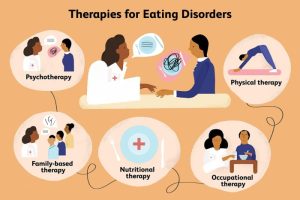
Physical therapy plays a crucial role in rehabilitation and injury prevention by utilizing various techniques to restore function, improve mobility, and relieve pain. It is an essential component of healthcare that focuses on helping individuals recover from injuries, surgeries, or chronic conditions.
Types of Physical Therapy Techniques
- Manual Therapy: Hands-on techniques such as massage and manipulation to reduce pain and improve mobility.
- Therapeutic Exercise: Customized exercises to strengthen muscles, improve balance, and enhance flexibility.
- Electrotherapy: The use of electrical stimulation to manage pain and promote healing.
- Ultrasound: High-frequency sound waves applied to tissues to reduce inflammation and promote healing.
Success Stories of Individuals Benefiting from Physical Therapy
- Athlete who recovered from a sports injury and returned to competition after undergoing physical therapy.
- An elderly individual who regained independence and mobility through a personalized physical therapy program.
- A post-surgery patient who improved their range of motion and reduced pain with the help of physical therapy.
Contribution to Overall Health and Well-being
Physical therapy not only helps in recovery from injuries but also contributes to overall health and well-being by promoting better movement patterns, reducing the risk of future injuries, and improving quality of life. It empowers individuals to take an active role in their health and encourages them to maintain a healthy and active lifestyle.
Health Coaching
Health coaching is a personalized approach to help individuals make positive and sustainable changes in their lifestyle habits. It focuses on empowering individuals to take control of their health and well-being through guidance, support, and accountability.
Role of Health Coaches in Promoting Healthy Habits
- Health coaches provide education and resources to help individuals set realistic health goals.
- They offer motivation and encouragement to stay committed to healthy habits.
- They help individuals identify obstacles and develop strategies to overcome them.
- Health coaches collaborate with clients to create personalized wellness plans tailored to their unique needs.
Tips for Finding a Qualified Health Coach
- Look for a health coach who is certified by a reputable organization like the National Board for Health and Wellness Coaching.
- Ask for referrals from trusted sources or healthcare providers.
- Consider the coach’s experience, approach, and communication style to ensure a good fit.
- Discuss expectations, goals, and payment structure upfront to avoid misunderstandings.
Benefits of Working with a Health Coach
- Improved accountability and motivation to make lasting lifestyle changes.
- Personalized guidance and support in achieving health goals.
- Enhanced knowledge and skills to manage stress, improve nutrition, and increase physical activity.
- Long-term behavior change and maintenance of healthy habits for overall well-being.
Medical Advancements: Preventive Medicine And Genetic Testing
In recent years, there have been remarkable advancements in preventive medicine and genetic testing that have revolutionized healthcare practices and improved patient outcomes significantly.
Advances in Preventive Medicine and Genetic Testing
- One of the key advancements in preventive medicine is the development of personalized medicine, where treatment plans are tailored to an individual’s genetic makeup.
- Genetic testing technologies, such as next-generation sequencing, have become more accessible and affordable, allowing for early detection of genetic predispositions to diseases.
- Innovative screening tools, like liquid biopsy tests for cancer detection, are now being utilized to identify diseases at their earliest stages, leading to more effective treatment outcomes.
Impact on Healthcare Outcomes
- Medical advancements in preventive medicine and genetic testing have led to a shift towards proactive healthcare, focusing on disease prevention rather than just treatment.
- Early detection of genetic risks and diseases has enabled healthcare providers to intervene sooner, resulting in better management of conditions and improved patient survival rates.
- By incorporating cutting-edge technologies, healthcare professionals can now provide more accurate diagnoses and personalized treatment plans, ultimately leading to better health outcomes for patients.
Future Prospects of Medical Advancements
- With ongoing research and development, the future of preventive medicine and genetic testing holds the promise of even more precise diagnostics and targeted therapies for various diseases.
- Advancements in artificial intelligence and machine learning are expected to play a significant role in analyzing vast amounts of genetic data, leading to more personalized and effective healthcare solutions.
- As technology continues to evolve, we can anticipate a healthcare landscape where genetic testing and preventive measures are seamlessly integrated into routine medical care, improving overall population health outcomes.
Fitness Goals
Setting realistic fitness goals is essential for long-term success in achieving overall health and wellness. By creating personalized fitness plans tailored to individual needs and capabilities, individuals can effectively progress towards their desired fitness outcomes. Achieving fitness goals not only improves physical health but also boosts mental well-being and self-confidence.
Importance of Setting Realistic Fitness Goals
- Setting realistic fitness goals helps prevent burnout and injury by allowing for gradual progression.
- It provides a clear roadmap for tracking progress and staying motivated throughout the fitness journey.
- Realistic goals are more attainable and sustainable, leading to long-lasting lifestyle changes.
Tips for Creating a Personalized Fitness Plan
- Consult with a fitness professional to assess current fitness levels and set achievable goals.
- Incorporate a variety of exercises to target different muscle groups and prevent boredom.
- Schedule regular workouts and rest days to maintain consistency and prevent burnout.
Benefits of Achieving Fitness Goals
- Improved cardiovascular health, strength, and endurance.
- Weight management and increased metabolism.
- Enhanced mental health and reduced stress levels.
Examples of Fitness Goals for Different Age Groups and Fitness Levels
- Young adults: Run a 5k race within a specified time frame.
- Middle-aged individuals: Achieve a healthy body mass index (BMI) and reduce risk factors for chronic diseases.
- Seniors: Improve balance and flexibility to prevent falls and maintain independence.
Balanced Nutrition
Having a balanced nutrition plan is crucial for overall health and well-being. It involves consuming the right amount of nutrients to maintain proper functioning of the body and prevent diseases.
Components of a Balanced Diet
A balanced diet consists of a variety of foods that provide essential nutrients such as carbohydrates, proteins, fats, vitamins, and minerals. Here are the key components:
- Carbohydrates: Found in grains, fruits, and vegetables, carbohydrates are the body’s main source of energy.
- Proteins: Essential for muscle growth and repair, proteins can be obtained from sources like meat, fish, beans, and nuts.
- Fats: Healthy fats from sources like avocados, nuts, and olive oil are important for brain function and hormone production.
- Vitamins and Minerals: Found in fruits, vegetables, and whole grains, vitamins and minerals support various bodily functions and overall health.
Tips for Maintaining a Balanced Nutrition Plan
Maintaining a balanced nutrition plan can be achieved by:
- Eating a variety of fruits and vegetables to ensure intake of different nutrients.
- Limiting processed foods high in sugar, salt, and unhealthy fats.
- Drinking plenty of water throughout the day to stay hydrated.
- Planning meals ahead to make healthier choices and avoid impulsive eating.
Relationship Between Balanced Nutrition and Disease Prevention
A balanced nutrition plan plays a critical role in disease prevention by boosting the immune system, reducing inflammation, and maintaining healthy body weight. By providing the body with essential nutrients, balanced nutrition can help prevent chronic conditions such as heart disease, diabetes, and obesity.
Mental Strength
Mental strength refers to the ability to effectively cope with challenges, stress, and adversity in life. It plays a crucial role in overall well-being by promoting resilience, emotional stability, and positive mental health.
Building Mental Resilience
- Practice mindfulness and meditation to enhance self-awareness and reduce stress.
- Develop strong social connections by maintaining healthy relationships with friends and family.
- Engage in regular physical exercise to boost mood and reduce symptoms of anxiety and depression.
- Cultivate a growth mindset by embracing challenges and learning from setbacks.
Activities Promoting Mental Strength
- Journaling to express emotions and reflect on experiences.
- Engaging in hobbies or creative pursuits to foster a sense of accomplishment and relaxation.
- Setting realistic goals and celebrating small achievements along the way.
- Volunteering or helping others to gain a sense of purpose and fulfillment.
Link Between Mental Strength and Physical Health
Research has shown that mental strength is closely linked to physical health. Chronic stress and negative emotions can weaken the immune system, leading to increased susceptibility to illnesses. Conversely, individuals with strong mental resilience are better equipped to cope with physical health challenges and adhere to healthy lifestyle behaviors, such as regular exercise and balanced nutrition.
Yoga Practice
Yoga is a holistic practice that benefits both the body and mind. It involves a combination of physical postures, breathing techniques, and meditation to promote overall well-being.
Types of Yoga Practices and Their Effects
- Hatha Yoga: Focuses on physical postures and breathing exercises to enhance flexibility and strength.
- Vinyasa Yoga: Involves flowing sequences of poses with synchronized breathing, promoting cardiovascular health and endurance.
- Ashtanga Yoga: A fast-paced, intense practice that helps build muscle strength and improve stamina.
- Bikram Yoga: Consists of a series of 26 poses practiced in a heated room, aiding in detoxification and flexibility.
Tips for Incorporating Yoga into Daily Routine
- Schedule a specific time each day for your yoga practice to make it a habit.
- Start with short sessions and gradually increase the duration as you become more comfortable.
- Find a quiet and peaceful space where you can practice without distractions.
- Explore different styles of yoga to see which one resonates with you the most.
Impact of Regular Yoga Practice on Overall Well-being
- Improved flexibility, strength, and posture.
- Reduced stress, anxiety, and depression through relaxation techniques.
- Enhanced focus, concentration, and mental clarity.
- Better sleep quality and overall sense of well-being.
Health Education
Health education plays a crucial role in promoting preventive healthcare by empowering individuals with the knowledge and skills needed to make informed decisions about their health and well-being. By raising awareness about the importance of healthy lifestyle choices, early detection of diseases, and regular screenings, health education can help prevent illnesses and improve overall quality of life.
Importance of Health Education
Effective health education programs are essential for equipping individuals with the knowledge and tools they need to take control of their health. These programs focus on promoting healthy behaviors, disease prevention, and the importance of regular health check-ups. By educating individuals about the risks associated with certain behaviors and the benefits of adopting a healthier lifestyle, health education can motivate people to make positive changes for their well-being.
Examples of Effective Health Education Programs
- The CDC’s “VERB” campaign aimed to promote physical activity among children and teenagers through fun and engaging activities.
- The American Heart Association’s “Check. Change. Control.” program educates individuals about managing high blood pressure through lifestyle modifications and medication adherence.
- School-based nutrition education programs that teach students about healthy eating habits and the importance of a balanced diet.
Empowering Individuals through Health Education
Health education empowers individuals to make informed decisions about their health by providing them with the necessary knowledge and skills to navigate the complexities of the healthcare system. By understanding the importance of preventive care, regular screenings, and early intervention, individuals can take proactive steps to maintain their health and well-being.
Tips for Implementing Health Education Initiatives
- Collaborate with local community organizations and healthcare providers to reach a wider audience.
- Utilize various communication channels, such as social media, workshops, and community events, to disseminate health education information effectively.
- Tailor health education programs to the specific needs and cultural backgrounds of the target population to ensure relevance and engagement.
- Evaluate the effectiveness of health education initiatives through surveys, feedback forms, and health outcome data to measure impact and make necessary adjustments.
Weight Management
Maintaining a healthy weight is crucial for overall well-being and can have a significant impact on one’s health. Weight management involves a combination of healthy eating, regular physical activity, and lifestyle modifications to achieve and sustain an optimal weight.
Strategies for Achieving and Maintaining a Healthy Weight
- Focus on balanced nutrition by incorporating fruits, vegetables, whole grains, lean proteins, and healthy fats into your diet.
- Aim for regular exercise, including cardiovascular activities, strength training, and flexibility exercises.
- Monitor portion sizes and practice mindful eating to prevent overeating.
- Stay hydrated by drinking an adequate amount of water throughout the day.
- Get an adequate amount of sleep to support weight management and overall health.
Impact of Weight Management on Overall Health
Weight management plays a crucial role in reducing the risk of chronic diseases such as diabetes, heart disease, and certain cancers. Maintaining a healthy weight can also improve energy levels, mood, and overall quality of life.
Weight Management Programs and Resources
- Weight Watchers: A popular program that focuses on healthy eating habits and provides support through meetings and online resources.
- MyFitnessPal: An app that helps track food intake, exercise, and weight loss progress.
- Nutrition Counseling: Working with a registered dietitian can provide personalized guidance and support for weight management goals.
Role of Healthcare Professionals in Supporting Weight Management Goals
Healthcare professionals, including doctors, dietitians, and fitness trainers, play a crucial role in supporting individuals in their weight management journey. They can provide personalized recommendations, monitor progress, and offer guidance on making sustainable lifestyle changes to achieve long-term success.
Health Checkups
Regular health checkups are essential for preventive care as they help in early detection of potential health issues, allowing for timely intervention and treatment. These checkups play a crucial role in maintaining overall health and well-being.
Importance of Regular Health Checkups
Health checkups are recommended to be scheduled annually for most adults. These routine exams can help identify any underlying health concerns before they escalate into serious conditions. By monitoring key health indicators regularly, individuals can take proactive steps to maintain good health.
Recommended Frequency of Different Health Checkups, Preventive medicine and genetic testing
- Annual physical examination: Recommended for adults to assess overall health status.
- Blood pressure check: Should be done at least once a year, more frequently if you have hypertension.
- Cholesterol screening: Recommended every 4-6 years for adults, more often if at risk for heart disease.
- Eye exam: Every 1-2 years for adults to check for vision changes and eye diseases.
- Dental checkup: Twice a year for cleanings and oral health assessments.
Tips for Preparing for a Health Checkup
- Make a list of any symptoms or concerns to discuss with your healthcare provider.
- Bring a list of medications you are currently taking, including supplements.
- Wear comfortable clothing for ease of examination.
- Arrive early to complete any necessary paperwork or forms.
Contribution to Early Disease Detection and Prevention
Regular health checkups can facilitate early detection of diseases such as diabetes, high blood pressure, and certain cancers. By identifying these conditions in their early stages, individuals have a better chance of successful treatment and management. Prevention through regular screenings and monitoring is key to maintaining optimal health.
Skin Health
Maintaining healthy skin is essential for overall well-being as it serves as a protective barrier against infections, regulates body temperature, and plays a role in sensation. Healthy skin also contributes to a person’s physical appearance and self-confidence.
Skincare Routines
- Regularly cleanse your skin to remove dirt, oil, and impurities that can clog pores and lead to breakouts.
- Moisturize daily to keep your skin hydrated and prevent dryness, which can lead to irritation and premature aging.
- Apply sunscreen with at least SPF 30 to protect your skin from harmful UV rays and reduce the risk of skin cancer.
- Exfoliate weekly to remove dead skin cells and promote cell turnover for a brighter complexion.
Diet and Lifestyle Choices
- Drink plenty of water to keep your skin hydrated and flush out toxins that can affect its appearance.
- Eat a balanced diet rich in fruits, vegetables, whole grains, and lean proteins to provide essential nutrients for skin health.
- Avoid smoking and limit alcohol consumption, as they can contribute to premature aging and skin damage.
Common Skin Conditions
- Acne: Maintain a consistent skincare routine, avoid touching your face, and consult a dermatologist for treatment options.
- Eczema: Keep your skin moisturized, avoid irritants, and use gentle skincare products to manage symptoms.
- Sunburn: Apply aloe vera or moisturizing lotions, drink plenty of water, and avoid further sun exposure to aid in healing.
Emotional Health
Emotional health refers to the ability to understand and manage our feelings in a positive way, which is crucial for overall well-being. It involves being aware of emotions, expressing them appropriately, and coping with stress effectively.
Strategies for Improving Emotional Health and Resilience
- Practice mindfulness and meditation to increase self-awareness and reduce stress.
- Engage in regular physical activity to release endorphins and improve mood.
- Cultivate strong social connections by spending time with loved ones and seeking support when needed.
- Set boundaries to protect your emotional energy and prioritize self-care.
Activities Supporting Emotional Well-being
- Journaling to express emotions and reflect on thoughts.
- Engaging in hobbies or creative activities that bring joy and relaxation.
- Practicing gratitude by focusing on the positive aspects of life.
- Seeking professional help through therapy or counseling when facing emotional challenges.
Importance of Seeking Help for Emotional Health Concerns
Seeking help for emotional health concerns is vital to prevent issues from escalating and affecting other areas of life. Professional support can provide tools, guidance, and perspective to navigate difficult emotions and develop coping strategies for long-term well-being.
Health Motivation
Maintaining a healthy lifestyle requires consistent motivation to prioritize health and wellness. Without motivation, it can be challenging to stay on track with healthy habits. Setting goals and implementing motivational strategies are key components in enhancing health motivation.
The Role of Motivation
Motivation plays a crucial role in maintaining a healthy lifestyle by serving as the driving force behind our actions. It provides the necessary push to make positive choices for our well-being, such as exercising regularly, eating nutritious foods, and practicing self-care. Motivation helps us stay focused on our health goals and overcome obstacles that may hinder our progress.
- Visualize Success: Create a clear mental image of what achieving your health goals looks like. Visualizing success can help boost motivation and keep you inspired to stay on course.
- Reward Yourself: Celebrate small victories along the way to your health goals. Rewarding yourself for progress made can reinforce positive behaviors and motivate continued commitment.
- Find Support: Surround yourself with a supportive community that encourages and motivates you on your health journey. Whether it’s friends, family, or a health coach, having a support system can help keep you accountable and motivated.
Setting Goals for Health Motivation
Setting specific, measurable, achievable, relevant, and time-bound (SMART) goals can enhance health motivation by providing a clear roadmap for success. When goals are well-defined, it becomes easier to track progress and stay motivated to achieve them.
Example: Instead of setting a vague goal like “I want to eat healthier,” try setting a SMART goal such as “I will eat at least five servings of fruits and vegetables every day for the next month.”
- Break It Down: Divide larger health goals into smaller, manageable tasks to prevent feeling overwhelmed. Taking small steps towards your goals can build momentum and motivation.
- Track Progress: Keep a journal or use apps to monitor your progress towards your health goals. Seeing how far you’ve come can be a powerful motivator to continue moving forward.
- Stay Flexible: Be willing to adjust your goals as needed based on your progress and changing circumstances. Flexibility allows for adaptation without losing sight of your overall health objectives.
Physical Activities

Regular physical activity plays a crucial role in maintaining overall health and well-being. It not only helps in managing weight but also reduces the risk of chronic diseases such as heart disease, diabetes, and certain cancers. Incorporating physical activities into your routine can have numerous benefits for both the body and mind.
Types of Physical Activities and Their Effects
- Cardiovascular exercises such as running, swimming, or cycling can improve heart health and stamina.
- Strength training exercises like weightlifting help in building muscle mass and increasing metabolism.
- Flexibility exercises such as yoga or Pilates can enhance range of motion and reduce the risk of injuries.
- Balance and coordination activities like tai chi can improve stability and prevent falls, especially in older adults.
Tips for Incorporating Physical Activity into a Busy Schedule
- Schedule your workouts like you would any other appointment to ensure consistency.
- Opt for shorter, high-intensity workouts if you’re short on time to maximize efficiency.
- Incorporate physical activity into daily tasks, such as taking the stairs instead of the elevator or walking during phone calls.
- Find a workout buddy or join group classes to stay motivated and accountable.
Importance of Variety in Physical Activities for Overall Fitness
Engaging in a variety of physical activities helps in targeting different muscle groups, preventing boredom, and reducing the risk of overuse injuries. It also ensures a well-rounded fitness routine that includes cardio, strength, flexibility, and balance exercises.
Health Awareness
Health awareness plays a crucial role in promoting preventive healthcare and overall well-being. By educating individuals about the importance of taking care of their health and making informed choices, we can empower them to lead healthier lives and prevent diseases before they occur.
Significance of Raising Awareness
Increased awareness about health issues can lead to early detection of diseases, better management of chronic conditions, and a higher quality of life. It also helps in reducing healthcare costs and burden on the healthcare system. Raising awareness can empower individuals to take charge of their health and make positive lifestyle changes.
Examples of Health Awareness Campaigns
- Breast Cancer Awareness Month: An annual campaign to raise awareness about breast cancer, encourage early detection through screening, and provide support to those affected by the disease.
- World AIDS Day: A global initiative to increase awareness, fight stigma, and improve education around HIV/AIDS prevention and treatment.
- Mental Health Awareness Week: A campaign to promote mental well-being, reduce the stigma around mental health issues, and encourage individuals to seek help when needed.
Positive Behavior Changes
- Health awareness can motivate individuals to adopt healthier habits such as regular exercise, balanced nutrition, and stress management techniques.
- It can encourage people to participate in preventive screenings, vaccinations, and health check-ups to detect any potential health issues early on.
- Increased awareness can also lead to better adherence to medication regimens, follow-up appointments, and overall healthcare recommendations.
Tips for Promoting Health Awareness
- Organize community health fairs, workshops, and seminars to educate people about various health topics and provide access to resources.
- Partner with local schools, workplaces, and organizations to spread awareness through campaigns, events, and informational sessions.
- Utilize social media, websites, and other digital platforms to share health tips, resources, and updates with a wider audience.
Nutritional Counseling
Nutritional counseling plays a crucial role in promoting healthy eating habits by providing individuals with personalized guidance and education on making nutritious food choices. By working with a nutrition expert, individuals can develop a better understanding of their dietary needs and learn how to create balanced meals that support their overall health and well-being.
Benefits of Nutritional Counseling for Disease Prevention
Nutritional counseling offers numerous benefits for disease prevention by helping individuals manage chronic conditions such as diabetes, heart disease, and obesity through tailored dietary plans. By addressing specific nutritional needs and promoting healthier eating habits, individuals can reduce their risk of developing various health issues and improve their overall quality of life.
- Customized Meal Plans: Nutritionists create personalized meal plans based on individual needs, ensuring that essential nutrients are included to support overall health.
- Educational Resources: Nutritional counseling provides valuable information on food choices, portion control, and meal preparation techniques to empower individuals to make informed decisions about their diet.
- Behavioral Changes: Nutrition experts help individuals adopt sustainable lifestyle changes by identifying and addressing unhealthy eating patterns and habits.
- Weight Management Support: Nutritional counseling offers guidance on achieving and maintaining a healthy weight through balanced nutrition and regular monitoring of progress.
Contribution to Overall Well-being
Nutritional counseling contributes to overall well-being by addressing the link between diet and health outcomes, promoting positive dietary changes, and empowering individuals to take control of their nutrition. By focusing on preventive measures and lifestyle modifications, nutritional counseling plays a vital role in enhancing physical health, mental well-being, and overall quality of life.
Healthy Mind
Maintaining a healthy mind is crucial for overall well-being as it directly impacts our physical health. A healthy mind can help reduce stress, improve cognitive function, and enhance our overall quality of life.
Strategies for Maintaining Mental Wellness
- Practice mindfulness and meditation to reduce stress and improve focus.
- Engage in regular physical exercise to boost mood and reduce symptoms of anxiety and depression.
- Ensure an adequate amount of sleep to support cognitive function and emotional well-being.
- Connect with others and build a strong support system to promote mental health.
- Engage in activities that bring joy and relaxation, such as hobbies or spending time in nature.
Activities that Support a Healthy Mind
- Yoga and deep breathing exercises to promote relaxation and reduce stress.
- Reading books or engaging in creative pursuits to stimulate the mind.
- Volunteering and helping others to boost self-esteem and feelings of purpose.
- Mindful eating practices to nourish the body and mind.
- Journaling or practicing gratitude to cultivate a positive mindset.
Connection Between Mental Health and Physical Health
Maintaining good mental health is closely linked to physical health. Chronic stress, anxiety, and depression can weaken the immune system, increase the risk of cardiovascular diseases, and impact overall physical well-being. Taking care of our mental health through therapy, self-care practices, and healthy coping mechanisms can help improve our physical health and overall quality of life.
FAQ Guide
How does genetic testing contribute to disease prevention?
Genetic testing enables individuals to assess their risk of developing certain diseases based on their genetic makeup, allowing for proactive measures to prevent or manage these conditions.
What are some examples of popular wellness programs related to preventive medicine?
Wellness programs such as corporate wellness initiatives, community health campaigns, and personalized lifestyle coaching are gaining popularity for promoting preventive healthcare practices.
How can individuals benefit from health coaching in conjunction with preventive medicine?
Health coaching provides personalized guidance and support to individuals looking to adopt healthier habits, complementing the principles of preventive medicine by empowering individuals to take charge of their well-being.


More Stories