Techniques for Improving Self-Esteem and Confidence
Self-esteem and confidence play a crucial role in our overall well-being and success. By implementing effective strategies, setting realistic goals, utilizing positive affirmations, and engaging in confidence-boosting activities, individuals can enhance their self-esteem and confidence levels significantly.
Effective Strategies to Boost Self-Esteem
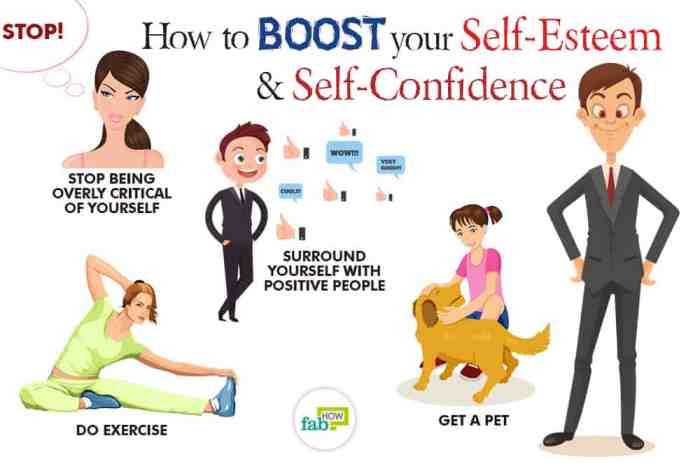
- Practice self-care: Taking care of your physical and mental well-being can positively impact your self-esteem.
- Challenge negative thoughts: Replace self-critical thoughts with more positive and realistic ones to build self-confidence.
- Celebrate successes: Acknowledge your achievements, no matter how small, to boost self-esteem and motivation.
Importance of Setting Realistic Goals for Building Confidence
Setting achievable goals helps individuals build confidence by providing a sense of accomplishment and progress. Realistic goals create opportunities for success, leading to increased self-esteem and belief in one’s abilities.
Impact of Positive Affirmations on Self-Esteem
Utilizing positive affirmations involves repeating empowering statements to oneself regularly. This practice can help challenge negative beliefs, improve self-image, and enhance overall self-esteem.
Activities that Promote Self-Confidence
- Public speaking: Engaging in public speaking opportunities can help individuals overcome fears and build confidence in communication skills.
- Physical exercise: Regular physical activity not only benefits physical health but also boosts self-confidence and self-esteem through improved body image and overall well-being.
- Volunteering: Contributing to the community through volunteering can instill a sense of purpose, accomplishment, and self-worth, enhancing overall confidence levels.
Healthy Snacks
Techniques for improving self-esteem and confidence – When it comes to maintaining overall health, choosing nutritious snacks is key. Snacking on the right foods can provide essential nutrients and energy to keep you going throughout the day.
Nutritious Snack Options, Techniques for improving self-esteem and confidence
Here are some healthy snack options to consider:
- Fruits: Fresh fruits like apples, bananas, berries, and oranges are packed with vitamins, minerals, and fiber.
- Nuts: Almonds, walnuts, and cashews are great sources of healthy fats, protein, and antioxidants.
- Vegetables: Raw veggies like carrots, cucumbers, and bell peppers are low in calories and high in nutrients.
- Greek Yogurt: Plain Greek yogurt is rich in protein and probiotics, making it a satisfying and gut-friendly snack.
Benefits of Snacking on Fruits and Nuts
Snacking on fruits and nuts can offer numerous benefits:
- Improved energy levels
- Enhanced nutrient intake
- Weight management support
- Reduced risk of chronic diseases
Recipes for Homemade Healthy Snacks
Try these simple recipes for homemade healthy snacks:
- Apple Slices with Almond Butter: Slice an apple and spread almond butter on each slice for a tasty and nutritious snack.
- Trail Mix: Mix almonds, walnuts, dried fruits, and dark chocolate chips for a satisfying trail mix on the go.
- Greek Yogurt Parfait: Layer Greek yogurt with fresh berries and granola for a protein-packed parfait.
Role of Snacking in a Balanced Diet
Snacking plays a crucial role in maintaining a balanced diet by providing a steady source of energy and nutrients between meals. It can help prevent overeating during main meals and keep blood sugar levels stable throughout the day.
Wellness Programs
Wellness programs encompass a variety of initiatives designed to promote overall health and well-being. These programs often focus on physical, mental, and emotional wellness through a combination of activities, education, and support.
Types of Wellness Programs
- Exercise Programs: These programs typically include fitness classes, gym memberships, and outdoor activities aimed at improving physical health.
- Mental Health Workshops: Workshops and seminars that provide resources and strategies for managing stress, anxiety, and other mental health concerns.
- Nutrition Counseling: Programs that offer guidance on healthy eating habits and meal planning to support overall wellness.
- Mindfulness and Meditation Sessions: Activities focused on promoting relaxation, stress reduction, and mental clarity through mindfulness techniques.
Impact of Wellness Programs on Mental Health
- Improved Stress Management: Participating in wellness programs can help individuals develop coping mechanisms and reduce stress levels.
- Enhanced Emotional Well-being: Engaging in activities that promote mental health can lead to increased self-awareness and emotional resilience.
- Reduced Symptoms of Anxiety and Depression: Wellness programs have been shown to alleviate symptoms of anxiety and depression through holistic approaches to health.
Success Stories
“After joining a wellness program that focused on mindfulness and meditation, I noticed a significant decrease in my anxiety levels and an overall improvement in my mental well-being.” – Sarah
Holistic Approach to Health
- Addressing Physical, Mental, and Emotional Needs: Wellness programs take a comprehensive approach to health by considering all aspects of well-being.
- Promoting Work-Life Balance: Encouraging individuals to prioritize self-care and balance their personal and professional lives for overall wellness.
- Building Supportive Communities: Wellness programs often foster a sense of community and support among participants, promoting a positive environment for growth and healing.
Physical Therapy: Techniques For Improving Self-esteem And Confidence
Physical therapy plays a crucial role in rehabilitation, helping individuals regain mobility, strength, and function after injury, surgery, or illness. Through targeted exercises and interventions, physical therapy aims to improve overall quality of life and restore independence.
Benefits of Physical Therapy for Rehabilitation
- Enhances flexibility and range of motion
- Strengthens muscles and improves coordination
- Reduces pain and inflammation
- Improves balance and prevents falls
- Promotes faster recovery and healing
Common Techniques in Physical Therapy Sessions
- Therapeutic exercises tailored to individual needs
- Manual therapy techniques such as massage and joint mobilization
- Electrical stimulation for pain management and muscle re-education
- Ultrasound therapy to promote tissue healing
- Heat and cold therapy for pain relief and inflammation reduction
Real-Life Examples of Patients Improving through Physical Therapy
- Athlete recovering from a sports injury and returning to competitive play
- Surgery patient regaining strength and mobility to perform daily activities
- Elderly individual improving balance and coordination to prevent falls
- Worker recovering from a work-related injury and returning to job duties
- Stroke survivor regaining speech and motor skills through intensive therapy
Role of Physical Therapy in Pain Management
- Identifying the root cause of pain through thorough assessment
- Developing a personalized treatment plan to address pain and improve function
- Educating patients on proper body mechanics and posture to prevent pain recurrence
- Utilizing modalities like heat, cold, and massage to alleviate pain and discomfort
- Teaching patients exercises and techniques to manage pain independently
Health Coaching
Health coaching plays a crucial role in promoting overall well-being by providing individuals with personalized guidance and support to achieve their health goals.
Role of a Health Coach
A health coach serves as a mentor and motivator, helping individuals make sustainable lifestyle changes, set achievable goals, and navigate obstacles on their journey to better health.
Importance of Personalized Health Coaching
- Customized approach: Health coaching takes into account the unique needs and preferences of each individual, ensuring tailored strategies for success.
- Long-term results: By focusing on behavior change and empowerment, personalized health coaching can lead to lasting improvements in health and well-being.
Success Stories with Health Coaching
“I was able to lose weight and improve my fitness level significantly with the guidance of my health coach. Their personalized approach made all the difference in helping me reach my goals.” – Sarah
Difference from Traditional Healthcare
- Preventative focus: Health coaching emphasizes preventive care and lifestyle modifications to promote wellness, rather than solely treating existing medical conditions.
- Collaborative partnership: Health coaching involves a collaborative relationship between the coach and individual, fostering self-discovery and self-empowerment.
Medical Advancements
Medical advancements have been rapidly evolving, leading to significant improvements in patient outcomes and revolutionizing healthcare practices. These advancements have paved the way for innovative treatments and therapies that were once considered impossible. The future implications of these medical breakthroughs are vast and hold tremendous promise for public health.
Advances in Telemedicine
Telemedicine has emerged as a groundbreaking advancement in healthcare, allowing patients to access medical care remotely through technology. This has not only improved access to healthcare services but has also enabled timely consultations and monitoring for patients in remote locations or with limited mobility.
- Remote monitoring devices and wearable technology have enabled healthcare providers to track patients’ vital signs and health metrics in real-time, leading to early intervention and prevention of complications.
- Virtual consultations have made it easier for patients to connect with healthcare professionals, reducing the need for in-person visits and minimizing wait times.
- Telemedicine has played a crucial role during the COVID-19 pandemic, ensuring continuity of care while minimizing the risk of exposure to the virus.
Genomic Medicine and Precision Therapy
Recent advancements in genomic medicine have enabled healthcare providers to tailor treatments based on a patient’s genetic makeup, leading to more personalized and effective therapies.
- Precision medicine allows for targeted therapies that are specific to an individual’s genetic profile, minimizing side effects and maximizing treatment efficacy.
- Genomic sequencing has revolutionized the diagnosis and treatment of genetic disorders, offering new hope for patients with rare or complex conditions.
- Advances in gene editing technologies like CRISPR have the potential to cure genetic diseases by precisely modifying faulty genes.
Artificial Intelligence in Healthcare
The integration of artificial intelligence (AI) in healthcare has transformed patient care, diagnosis, and treatment planning, leading to more accurate and efficient healthcare delivery.
- AI algorithms can analyze medical imaging scans and detect abnormalities with high accuracy, assisting radiologists in diagnosing conditions like cancer at an early stage.
- Machine learning models can predict patient outcomes and identify individuals at high risk for certain diseases, enabling proactive interventions and personalized care plans.
- AI-powered chatbots and virtual assistants have enhanced patient engagement and support, providing round-the-clock healthcare guidance and information.
Fitness Goals
Setting achievable fitness goals is crucial for progress and motivation in your fitness journey. By establishing clear and realistic objectives, you can stay focused and track your development effectively.
Tips for Setting Achievable Fitness Goals
- Start by identifying your current fitness level and what you want to achieve.
- Set specific, measurable, attainable, relevant, and time-bound (SMART) goals to provide clear direction.
- Break down larger goals into smaller milestones to make them more manageable.
- Consider seeking guidance from a fitness professional to create a personalized plan that aligns with your capabilities and aspirations.
Importance of Tracking Progress in Fitness Journeys
Monitoring your progress is essential to stay motivated and make necessary adjustments to your fitness routine. By tracking changes in your performance, strength, endurance, or body composition, you can celebrate achievements and identify areas for improvement.
Examples of Short-Term and Long-Term Fitness Goals
| Short-Term Goals | Long-Term Goals |
|---|---|
| Run a 5K race within the next two months. | Complete a marathon in one year. |
| Increase weightlifting capacity by 10% in three months. | Achieve a certain body fat percentage within a year. |
| Improve flexibility and mobility with daily stretching. | Master advanced yoga poses within two years. |
How Fitness Goals Contribute to Overall Well-being
- Setting and achieving fitness goals can boost your self-confidence and sense of accomplishment.
- Regular exercise and progress towards goals can improve physical health, mental clarity, and emotional well-being.
- Having fitness goals can provide structure and purpose to your daily routine, promoting a healthy lifestyle.
- By prioritizing your fitness, you are investing in your long-term health and quality of life.
Balanced Nutrition
Ensuring a balanced nutrition plan is essential for maintaining overall health and well-being. A balanced diet provides the necessary nutrients to support physical and mental functions, as well as prevent chronic diseases.
Components of a Balanced Diet
- Proteins: Found in meat, poultry, fish, dairy, beans, and nuts. They are essential for building and repairing tissues.
- Carbohydrates: Mainly sourced from grains, fruits, and vegetables, providing energy for daily activities.
- Fats: Healthy fats from sources like avocados, nuts, and olive oil are crucial for brain function and hormone production.
- Vitamins and Minerals: Found in a variety of fruits, vegetables, and whole grains, they play a vital role in various bodily functions.
- Water: Hydration is key for overall health, aiding in digestion, nutrient absorption, and temperature regulation.
Guidelines for Maintaining a Balanced Nutrition Plan
- Include a variety of foods from all food groups in your meals.
- Monitor portion sizes to ensure you are not overeating or undereating.
- Aim for colorful plates with a mix of fruits and vegetables for a range of nutrients.
- Avoid processed foods high in added sugars, salt, and unhealthy fats.
- Listed to your body’s hunger and fullness cues to regulate food intake.
Examples of Meals Incorporating Essential Nutrients
| Meal | Components |
|---|---|
| Grilled Chicken Salad | Grilled chicken (protein), mixed greens (vitamins), avocado (healthy fats), cherry tomatoes (antioxidants), quinoa (carbohydrates). |
| Vegetarian Stir-Fry | Tofu (protein), broccoli (vitamins), bell peppers (antioxidants), brown rice (carbohydrates), cashews (healthy fats). |
Impact of Balanced Nutrition on Physical and Mental Health
Consuming a balanced diet not only supports physical health by providing essential nutrients for body functions but also plays a crucial role in mental well-being. Nutrient deficiencies can lead to mood swings, fatigue, and cognitive issues. Eating a variety of nutrient-dense foods can help improve concentration, energy levels, and overall mood.
Mental Strength
In today’s fast-paced and challenging world, mental strength plays a crucial role in helping individuals overcome obstacles, deal with stress, and achieve their goals. It is the ability to stay resilient in the face of adversity, maintain a positive mindset, and bounce back from setbacks.
Strategies for Enhancing Mental Toughness
- Practice mindfulness and self-awareness: By being present in the moment and understanding your thoughts and emotions, you can better manage stress and anxiety.
- Set realistic goals: Breaking down big goals into smaller, achievable steps can boost confidence and motivation.
- Build a strong support system: Surround yourself with positive and supportive individuals who can provide encouragement and guidance during tough times.
- Challenge negative self-talk: Replace self-doubt and criticism with positive affirmations and empowering beliefs to cultivate a growth mindset.
Real-Life Stories of Overcoming Challenges Through Mental Strength
“One inspiring story is that of Serena Williams, who faced numerous setbacks and injuries throughout her career but never gave up. Through sheer determination and mental toughness, she became one of the greatest tennis players of all time.”
Tips for Developing a Positive Mindset
- Practice gratitude: Reflecting on the things you’re thankful for can shift your focus to the positive aspects of life.
- Avoid comparing yourself to others: Embrace your uniqueness and focus on your own progress and growth.
- Engage in positive self-talk: Encourage yourself with uplifting words and affirmations to boost self-confidence.
- Seek professional help if needed: Don’t hesitate to reach out to a therapist or counselor for additional support and guidance.
Yoga Practice
Yoga is a practice that offers a multitude of physical and mental benefits, making it an excellent addition to any wellness routine. It combines breathing exercises, meditation, and various poses to promote strength, flexibility, and inner peace.
Types of Yoga Practices and Their Benefits
- Hatha Yoga: Focuses on basic poses and breathing techniques, great for beginners and stress relief.
- Vinyasa Yoga: A more dynamic practice that links breath with movement, enhancing flexibility and cardiovascular health.
- Ashtanga Yoga: A fast-paced, intense practice that builds strength and stamina.
- Bikram Yoga: Involves practicing in a heated room, aiding in detoxification and flexibility.
Tips for Beginners Starting a Yoga Routine
- Start slow and listen to your body, don’t push yourself too hard too soon.
- Attend beginner-friendly classes or follow online tutorials to learn the basics.
- Invest in a quality yoga mat and comfortable clothing to enhance your practice.
- Stay consistent with your routine to experience the full benefits of yoga.
How Yoga Contributes to Overall Wellness and Stress Management
Yoga not only improves physical health but also enhances mental well-being by reducing stress and anxiety levels. The focus on breathing and mindfulness in yoga helps calm the mind, leading to better emotional regulation and overall stress management. Incorporating yoga into your routine can have a profound impact on your overall wellness, promoting balance and harmony in both body and mind.
Health Education
Health education plays a crucial role in preventive care by empowering individuals with the knowledge and skills needed to make informed decisions about their health.
Importance of Health Education in Preventive Care
- Health education helps individuals understand the importance of preventive measures such as regular exercise, balanced nutrition, and routine health screenings.
- By raising awareness about common health risks and diseases, health education can motivate individuals to adopt healthier lifestyles and seek early intervention when needed.
- Empowering individuals with health education can lead to a reduction in healthcare costs and a decrease in the burden of preventable diseases on the healthcare system.
Role of Health Education in Promoting Healthy Lifestyle Choices
- Health education provides individuals with the information they need to make healthier choices regarding diet, exercise, stress management, and other lifestyle factors.
- By promoting positive health behaviors, health education can help prevent chronic diseases such as obesity, diabetes, and heart disease.
- Through targeted campaigns and interventions, health education can reach diverse populations and address specific health disparities within communities.
Examples of Effective Health Education Programs
- The CDC’s “Verb” campaign aimed at promoting physical activity among youth through multimedia and community-based initiatives.
- The “5 A Day” program encouraging fruit and vegetable consumption for better health outcomes.
- School-based health education programs focusing on topics such as sexual health, substance abuse prevention, and mental wellness.
Tips for Incorporating Health Education into Daily Routines
- Allocate time each day for reading or watching educational content on health topics of interest.
- Engage in discussions with healthcare providers, family members, or friends about health-related matters to gain different perspectives.
- Attend workshops, seminars, or webinars on various health subjects to expand your knowledge and stay informed.
Weight Management
Maintaining a healthy weight is crucial for overall well-being. It not only impacts physical health but also plays a significant role in mental and emotional health. By adopting strategies for healthy weight management, individuals can improve their quality of life and reduce the risk of various health issues.
Strategies for Healthy Weight Management
- Focus on balanced nutrition: Incorporate a variety of fruits, vegetables, whole grains, lean proteins, and healthy fats into your diet.
- Stay hydrated: Drink plenty of water throughout the day to support metabolism and curb cravings.
- Engage in regular physical activity: Aim for at least 150 minutes of moderate-intensity exercise per week to support weight loss or maintenance.
- Avoid processed foods and sugary beverages: Opt for whole, nutrient-dense foods to fuel your body effectively.
Tips for Sustainable Weight Loss or Maintenance
- Set realistic goals: Gradual, sustainable weight loss is more effective and easier to maintain than rapid, drastic changes.
- Track your progress: Keep a food journal or use a fitness app to monitor your eating habits and activity levels.
- Seek support: Join a weight loss group, work with a health coach, or involve friends and family in your journey for accountability and encouragement.
Lifestyle Changes to Support Weight Management Goals
- Practice mindful eating: Pay attention to hunger cues, savor each bite, and avoid distractions while eating.
- Prioritize sleep: Aim for 7-9 hours of quality sleep each night to support metabolism and overall health.
- Manage stress: Find healthy ways to cope with stress, such as meditation, yoga, or deep breathing exercises, to prevent emotional eating.
Impact of Weight Management on Overall Health
Effective weight management not only helps in reducing the risk of chronic conditions like heart disease, diabetes, and hypertension but also improves energy levels, mood, and self-esteem. By maintaining a healthy weight, individuals can enhance their overall quality of life and longevity.
Health Checkups
Regular health checkups are essential for preventive care and maintaining overall well-being. These checkups help in early detection of any potential health issues, allowing for timely intervention and treatment. Here are some guidelines and tips to make the most out of your health checkups:
Importance of Regular Health Checkups
- Regular health checkups can help identify risk factors and early signs of diseases, allowing for preventive measures to be taken.
- Monitoring key health indicators such as blood pressure, cholesterol levels, and blood sugar can aid in preventing serious health conditions.
- Health checkups also provide an opportunity to discuss any concerns or symptoms with healthcare professionals and seek appropriate guidance.
Guidelines for Scheduling and Attending Health Checkups
- Consult with your healthcare provider to determine how often you should have health checkups based on your age, medical history, and risk factors.
- Make sure to follow any pre-checkup instructions provided by your healthcare provider, such as fasting before certain tests.
- Attend all scheduled appointments and inform your doctor about any changes in your health or medications since your last visit.
Significance of Early Detection Through Routine Checkups
- Early detection of health conditions through routine checkups can lead to more effective treatments and better outcomes.
- Timely intervention can help prevent complications and reduce the overall impact of diseases on your health and quality of life.
- Routine screenings for conditions such as cancer, heart disease, and diabetes can significantly increase the chances of successful treatment.
Tips for Maximizing the Benefits of Health Checkups
- Come prepared with a list of questions or concerns to discuss with your healthcare provider during the checkup.
- Follow up on any recommended screenings, tests, or treatments as advised by your doctor to ensure comprehensive care.
- Maintain a health journal to track your symptoms, test results, and progress between checkups for better health management.
Skin Health
Having a good skincare routine is essential for maintaining skin health. It not only helps to keep your skin looking radiant but also protects it from various environmental factors that can cause damage.
Importance of Skincare Routines
Skincare routines play a vital role in keeping your skin healthy and vibrant. By cleansing, exfoliating, moisturizing, and applying sunscreen regularly, you can prevent issues like acne, premature aging, and dryness.
Tips for Protecting the Skin
- Avoid prolonged sun exposure and always wear sunscreen with at least SPF 30.
- Stay hydrated by drinking plenty of water throughout the day.
- Use gentle skincare products suitable for your skin type to avoid irritation.
- Remove makeup before going to bed to allow your skin to breathe and regenerate overnight.
Natural Remedies for Common Skin Issues
- For acne: Apply tea tree oil or aloe vera gel to reduce inflammation and promote healing.
- For dry skin: Use coconut oil or shea butter to moisturize and nourish the skin.
- For sunburn: Aloe vera gel can soothe the skin and help it recover faster.
Connection between Skin Health and Overall Well-being
Healthy skin is not just about appearance; it is also a reflection of your overall well-being. Skin issues can sometimes indicate underlying health problems, such as hormonal imbalances or nutritional deficiencies. By taking care of your skin, you are also taking care of your body’s health.
Emotional Health
Emotional health plays a crucial role in our overall well-being, as it directly impacts our physical health and quality of life. When we are emotionally balanced and resilient, we are better equipped to handle stress, maintain healthy relationships, and make positive choices for ourselves.
Impact of Emotional Health on Physical Well-being
Emotional health is closely connected to physical health, as chronic stress, anxiety, and negative emotions can manifest in physical symptoms such as headaches, muscle tension, digestive issues, and even weaken the immune system. Prioritizing emotional well-being can lead to better physical health outcomes and overall vitality.
Strategies for Improving Emotional Resilience
- Cultivate self-awareness through practices like mindfulness and journaling.
- Build a strong support system of friends, family, or a therapist.
- Practice self-care activities that bring you joy and relaxation.
- Develop healthy coping mechanisms for managing difficult emotions.
Coping Mechanisms for Managing Stress and Anxiety
- Engage in regular physical exercise to release endorphins and reduce stress.
- Practice deep breathing techniques and meditation to calm the mind.
- Set boundaries and prioritize tasks to avoid feeling overwhelmed.
- Seek professional help if stress and anxiety become overwhelming.
Tips for Prioritizing Emotional Health in Daily Life
- Make time for activities that bring you joy and relaxation.
- Practice gratitude and focus on the positive aspects of your life.
- Set realistic goals and celebrate achievements, no matter how small.
- Engage in hobbies and interests that fulfill you emotionally.
Physical Activities
Regular physical activity is essential for overall health and well-being. It not only helps in maintaining a healthy weight but also improves cardiovascular health, boosts mood, and enhances overall quality of life. Here are some different types of physical activities for overall fitness:
List of Physical Activities
- Cardiovascular exercises: Running, cycling, swimming, and aerobics
- Strength training: Weight lifting, resistance band exercises, and bodyweight exercises
- Flexibility exercises: Yoga, Pilates, and stretching routines
- High-intensity interval training (HIIT): Combining bursts of intense activity with short rest periods
- Dance workouts: Zumba, hip-hop, salsa, and ballroom dancing
Regular exercise offers numerous benefits when incorporated into daily routines. Some of the advantages include improved mood, increased energy levels, better sleep quality, reduced risk of chronic diseases, and enhanced cognitive function. Here are some tips for staying active and motivated:
Tips for Staying Active and Motivated
- Set specific and achievable fitness goals
- Find activities that you enjoy to make exercise more enjoyable
- Vary your routine to prevent boredom and plateaus
- Track your progress to stay motivated and celebrate small victories
- Join group classes or workout with a friend for added accountability
Physical activities can be fun and engaging for individuals of all ages. Here are some examples of activities that are suitable for different age groups:
Fun and Engaging Physical Activities for All Ages
- Kids: Playground games, swimming, martial arts classes
- Teens: Team sports, hiking, skateboarding, dance classes
- Adults: Cycling, hiking, group fitness classes, recreational sports leagues
- Seniors: Walking, gentle yoga, water aerobics, tai chi
Health Awareness
Raising awareness about various health issues is crucial in promoting overall well-being and preventing illnesses. By educating individuals about common health concerns, we empower them to make informed decisions and take proactive steps towards a healthier lifestyle.
Importance of Health Awareness
- Increases knowledge about preventive measures
- Promotes early detection of diseases
- Encourages healthy habits and behaviors
- Reduces stigma associated with certain health conditions
Ways to Increase Health Awareness in Communities
- Organize health fairs and workshops
- Utilize social media and digital platforms for health campaigns
- Collaborate with local healthcare providers and organizations
- Offer educational resources and materials in community centers
Successful Health Awareness Campaigns
- The American Heart Association’s “Go Red for Women” campaign raising awareness about heart disease in women
- The Movember Foundation’s campaign addressing men’s health issues like prostate cancer and mental health
- The World Health Organization’s initiatives to promote vaccination and disease prevention globally
Contribution of Health Awareness to Preventive Healthcare
By fostering a culture of health awareness, individuals are more likely to engage in preventive healthcare practices such as regular check-ups, screenings, and vaccinations. This proactive approach can lead to early detection of potential health problems and ultimately improve health outcomes.
Preventive Medicine
Preventive medicine focuses on strategies aimed at preventing diseases before they occur, rather than just treating symptoms after they manifest. It plays a crucial role in promoting overall health and well-being by addressing risk factors and adopting healthy habits.
Significance of Preventive Medicine
Preventive healthcare significantly reduces the burden of diseases by identifying potential health risks early on and taking proactive measures to mitigate them. By emphasizing preventive measures, individuals can potentially avoid the development of chronic conditions and lead healthier lives.
- Regular health screenings and check-ups can help detect early signs of diseases and allow for timely intervention.
- Maintaining a balanced diet and engaging in regular physical activity can prevent obesity, heart disease, and other lifestyle-related illnesses.
- Practicing good hygiene, such as washing hands frequently, can reduce the risk of infections and the spread of diseases.
- Avoiding harmful habits like smoking and excessive alcohol consumption can lower the chances of developing respiratory and liver diseases.
Tips for Incorporating Preventive Medicine
Preventive medicine can be easily integrated into daily routines by making small but impactful changes to lifestyle habits. Here are some tips to incorporate preventive measures into your daily life:
- Set reminders for regular health check-ups and screenings to stay on top of your health status.
- Make time for physical activity each day, whether it’s a brisk walk, yoga session, or workout routine.
- Opt for nutritious meals and snacks that provide essential vitamins and minerals to support your immune system.
- Stay hydrated throughout the day by drinking an adequate amount of water to maintain overall health.
Nutritional Counseling
Nutritional counseling plays a crucial role in promoting healthy eating habits and overall wellness. By working with a qualified nutritional counselor, individuals can receive personalized guidance and support to improve their dietary choices and achieve their health goals.
Role of a Nutritional Counselor
A nutritional counselor helps individuals develop a better understanding of nutrition and its impact on health. They assess dietary habits, identify areas for improvement, and create customized meal plans tailored to specific needs and preferences.
Benefits of Seeking Nutritional Counseling
- Learn about proper portion control and balanced nutrition.
- Address specific health concerns or conditions through diet modifications.
- Receive support and accountability to stay on track with dietary changes.
- Improve energy levels, mood, and overall well-being through better food choices.
Success Stories
“After working with a nutritional counselor, I was able to lose weight, manage my diabetes more effectively, and feel more confident in my food choices.” – Sarah
Tips for Finding a Qualified Nutritional Counselor
- Look for credentials such as Registered Dietitian (RD) or Certified Nutrition Specialist (CNS).
- Ask for referrals from healthcare providers or trusted sources.
- Consider the counselor’s experience with your specific dietary needs or goals.
- Ensure good communication and a supportive relationship with the counselor.
Healthy Mind
Having a healthy mind is essential for overall well-being as it directly impacts our physical health, emotional stability, and decision-making abilities.
Connection Between Mental Well-being and Overall Health
Our mental health influences our physical health in numerous ways. High levels of stress, anxiety, or depression can weaken the immune system, making us more susceptible to illnesses. Moreover, mental health conditions can also manifest physically through symptoms like headaches, muscle tension, and fatigue.
Strategies for Maintaining a Healthy Mindset
- Practice mindfulness and meditation to stay present and reduce negative thinking patterns.
- Engage in regular physical exercise to boost endorphins and improve mood.
- Cultivate positive relationships and seek support from friends and family.
- Set realistic goals and celebrate small achievements to boost self-esteem.
Tips for Reducing Stress and Promoting Mental Clarity
- Establish a daily routine to create a sense of structure and stability.
- Practice deep breathing exercises or progressive muscle relaxation to calm the mind.
- Avoid overcommitting and learn to say no when feeling overwhelmed.
- Engage in hobbies or activities that bring joy and relaxation.
Examples of Activities That Support a Healthy Mind
- Yoga and meditation sessions for relaxation and stress relief.
- Journaling to express thoughts and emotions in a constructive way.
- Volunteering in the community to foster a sense of purpose and connection.
- Learning a new skill or hobby to keep the mind engaged and stimulated.
Key Questions Answered
How do positive affirmations impact self-esteem?
Positive affirmations have the power to rewire our thought patterns and beliefs, boosting self-esteem by instilling a sense of confidence and self-assurance.
What are some examples of activities that promote self-confidence?
Engaging in activities such as public speaking, challenging oneself to try new things, and practicing self-care rituals can promote self-confidence and personal growth.
Why is setting realistic goals important for building confidence?
Setting realistic goals allows individuals to track their progress, experience small wins, and build confidence gradually as they achieve milestones along their journey.


More Stories
Mental strength and decision-making: Enhancing your mindset for better choices