Introduction to Weight Management During Menopause
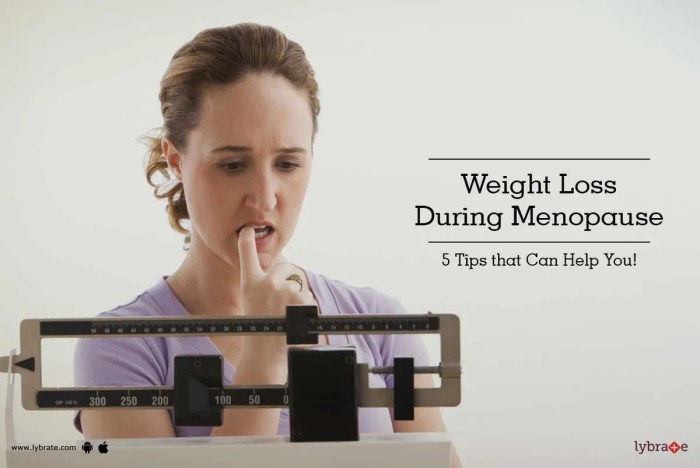
Menopause is a natural biological process that marks the end of a woman’s menstrual cycles. During this stage, hormonal changes occur, particularly a decrease in estrogen levels, which can impact weight management. These hormonal fluctuations can lead to increased abdominal fat storage and a decrease in muscle mass, making it more challenging for women to maintain a healthy weight.
Challenges in Weight Management
- Metabolic Rate: The decrease in estrogen levels can slow down the metabolic rate, making it easier to gain weight.
- Changes in Fat Distribution: Women may experience an increase in visceral fat, which is stored around the organs and can increase the risk of chronic diseases.
- Loss of Muscle Mass: Hormonal changes can lead to a loss of muscle mass, which can further decrease metabolism and make it harder to burn calories.
Prevalence of Weight Gain
Research studies have shown that around 90% of women experience weight gain during menopause, with an average gain of 5-10 pounds. This weight gain is often concentrated around the abdomen, increasing the risk of metabolic disorders and other health issues.
Healthy Snacks for Menopausal Women
Eating healthy snacks is crucial for managing weight during menopause. Snacking can help keep hunger at bay and prevent overeating during meals. It is essential to choose nutrient-dense snacks that provide energy and essential nutrients without excessive calories.
Nutrient-Dense Snacks
- Raw vegetables with hummus or Greek yogurt dip
- Handful of nuts or seeds
- Fresh fruit with a small piece of cheese
- Whole grain crackers with avocado or nut butter
- Greek yogurt with berries and a sprinkle of granola
Importance of Portion Control and Mindful Eating
Weight management during menopause – When snacking, portion control is key to prevent consuming too many calories. It is important to listen to your body’s hunger cues and stop eating when you are satisfied. Mindful eating involves paying attention to the taste, texture, and satisfaction from the snack, rather than mindlessly eating while distracted.
Easy Snack Recipes
- Apple slices with almond butter and cinnamon
- Rice cakes with mashed avocado and cherry tomatoes
- Cottage cheese with sliced peaches and a drizzle of honey
- Celery sticks with tuna salad
- Baked sweet potato fries with a sprinkle of sea salt
Wellness Programs for Menopausal Weight Management
Wellness programs tailored specifically for menopausal women play a crucial role in managing weight and promoting overall health during this stage of life. These programs combine various elements such as exercise, nutrition, stress management, and social support to address the unique needs and challenges faced by menopausal women.
Benefits of Joining a Wellness Program
- Structured Exercise Plans: These programs typically include tailored exercise routines that focus on strength training, cardiovascular fitness, and flexibility to help women maintain muscle mass and bone density.
- Personalized Nutrition Guidance: Menopausal women often experience changes in metabolism and nutrient requirements. Wellness programs provide personalized nutrition plans to support weight management and overall well-being.
- Stress Reduction Techniques: Managing stress is essential during menopause, as it can impact weight gain and overall health. Wellness programs teach stress reduction techniques such as mindfulness, meditation, and relaxation exercises.
- Peer Support and Accountability: Being part of a wellness program creates a supportive environment where women can connect with others facing similar challenges. This sense of community and accountability can enhance motivation and adherence to healthy habits.
Participating in a wellness program designed for menopausal weight management offers numerous benefits:
Success Stories and Testimonials
“Joining a menopausal weight management wellness program was a game-changer for me. Not only did I lose weight and improve my fitness, but I also gained a sense of empowerment and confidence in navigating this stage of life.”
“The personalized guidance and support I received in the wellness program helped me make sustainable lifestyle changes that have had a positive impact on my weight, energy levels, and overall well-being.”
Physical Therapy for Menopausal Weight Management
Physical therapy plays a crucial role in helping menopausal women maintain a healthy weight. It involves a combination of exercises, stretches, and other techniques that can improve overall physical fitness, increase metabolism, and promote weight loss.
Benefits of Physical Therapy for Menopausal Women
- Strength training exercises can help build muscle mass, which can boost metabolism and aid in burning calories more efficiently.
- Cardiovascular exercises such as walking, cycling, or swimming can improve heart health and enhance weight loss.
- Flexibility exercises like yoga or Pilates can help improve posture, reduce joint pain, and increase overall mobility.
Tips for Incorporating Physical Therapy into Weight Management Routine
- Schedule regular physical therapy sessions to stay consistent with your workouts and progress.
- Work with a certified physical therapist to create a personalized exercise plan that suits your fitness level and goals.
- Combine physical therapy with other healthy habits like a balanced diet and proper sleep to maximize weight management benefits.
Health Coaching for Menopausal Women
Health coaches play a crucial role in supporting women during menopause for weight management. They provide personalized guidance, motivation, and accountability to help women navigate this challenging phase of life and achieve their health goals.
Role of Health Coaches
Health coaches work closely with menopausal women to create customized fitness plans tailored to their specific needs and limitations. They offer emotional support, education on nutrition and exercise, and empower women to take control of their health.
- Provide personalized guidance and support
- Educate on nutrition and exercise
- Empower women to make sustainable lifestyle changes
Strategies for Setting Fitness Goals
Health coaches use a variety of strategies to help women set and achieve fitness goals during menopause. They focus on creating realistic and achievable targets, breaking down goals into smaller milestones, and adjusting plans as needed to ensure progress.
- Set realistic and achievable fitness goals
- Break down goals into smaller milestones
- Adjust plans based on progress and feedback
Importance of Accountability and Motivation
Accountability and motivation are key components of a successful health coaching program for menopausal women. Health coaches help women stay on track by providing regular check-ins, monitoring progress, and offering continuous encouragement to keep them motivated towards reaching their goals.
- Provide regular check-ins and support
- Monitor progress and make adjustments as needed
- Offer continuous encouragement and motivation
Medical Advancements in Menopausal Weight Management
Menopause can bring about changes in metabolism and hormonal imbalances that make weight management a challenge for many women. Fortunately, there have been significant advancements in medical treatments that specifically target weight management during this stage of life. These advancements aim to provide effective and safe solutions to help women navigate the changes in their bodies and maintain a healthy weight.
Prescription Medications for Menopausal Weight Management
- One notable advancement in medical treatment for menopausal weight management is the development of prescription medications that target specific hormonal imbalances that contribute to weight gain.
- These medications work by regulating appetite, metabolism, and fat storage, helping women to achieve and maintain a healthy weight during menopause.
- It is essential for women considering prescription medications for weight management to consult with their healthcare provider to determine the most suitable and safe option for their individual needs.
Bariatric Surgery for Menopausal Weight Management
- Another significant advancement in medical interventions for menopausal weight management is bariatric surgery, which can help women achieve substantial weight loss and improve overall health outcomes.
- Bariatric surgery is a viable option for women who have struggled with severe obesity and related health issues during menopause.
- While bariatric surgery can be an effective tool for weight management, it is crucial for women to understand the risks and benefits associated with this procedure and work closely with their healthcare team to ensure a successful outcome.
Testimonials and Case Studies
“After struggling with weight gain during menopause, I decided to try the prescription medication recommended by my doctor. I was pleasantly surprised by how effectively it helped me control my appetite and shed the extra pounds.” – Sarah
“Bariatric surgery was a life-changing decision for me during menopause. Not only did I lose weight, but my overall health significantly improved, and I feel more energetic and confident.” – Lisa
Fitness Goals for Menopausal Women
Setting realistic fitness goals is crucial for supporting weight management during menopause. By establishing achievable targets, women can stay motivated, track progress, and make necessary adjustments to their exercise routines.
Importance of Balanced Exercise Routine
A balanced exercise routine that combines strength training and cardiovascular activities is essential for menopausal women. Strength training helps build muscle mass, which can increase metabolism and aid in weight management. Cardiovascular exercises, on the other hand, improve heart health, endurance, and overall fitness levels.
- Include a mix of strength training and cardio exercises in your fitness routine.
- Strength training can involve bodyweight exercises, free weights, or resistance bands.
- Cardio activities may include walking, jogging, cycling, or swimming.
Tracking Progress and Adjusting Goals
Tracking progress is key to staying on course towards achieving fitness goals. Menopausal women should regularly monitor their workouts, physical improvements, and weight changes to determine if adjustments are needed in their exercise regimen.
Use a fitness journal or app to record workouts, measurements, and dietary habits.
- Set short-term and long-term goals to keep yourself motivated.
- Consult with a fitness professional to help tailor your exercise plan to your specific needs and goals.
- Be flexible and willing to adjust your fitness goals as your body and fitness level change.
Balanced Nutrition for Menopausal Weight Management
Maintaining a balanced diet is crucial for managing weight during menopause. It can help control hormonal fluctuations and support overall health.
Role of Macronutrients and Micronutrients
- Macronutrients, such as proteins, carbohydrates, and fats, play a key role in providing energy and supporting bodily functions. Ensure a balance of these nutrients in your diet.
- Micronutrients, including vitamins and minerals, are essential for metabolism and overall health. Incorporate a variety of fruits, vegetables, and whole grains to get a good mix of micronutrients.
Meal Planning Tips and Healthy Eating Habits
- Plan your meals ahead of time to ensure a balanced intake of nutrients and avoid unhealthy choices due to cravings or convenience.
- Include lean proteins, whole grains, fruits, vegetables, and healthy fats in your meals to maintain satiety and support weight management.
- Avoid processed foods, sugary drinks, and excessive salt intake, as they can contribute to weight gain and negatively impact hormonal balance.
Mental Strength and Menopausal Weight Management
Building mental strength and resilience is crucial when it comes to managing weight during menopause. The hormonal changes and physical symptoms that accompany menopause can often lead to emotional challenges and stress, which in turn can impact eating habits and overall well-being.
Strategies for Building Mental Resilience
- Practice mindfulness: Engaging in mindfulness techniques such as meditation, deep breathing exercises, or yoga can help reduce stress and improve mental clarity.
- Seek support: Surround yourself with a strong support system of friends, family, or a therapist who can provide encouragement and guidance during difficult times.
- Set realistic goals: Break down your weight management goals into smaller, achievable steps to avoid feeling overwhelmed and stay motivated.
- Stay positive: Focus on the progress you’ve made rather than setbacks, and practice self-compassion to maintain a healthy mindset.
Mindfulness Techniques for Mental Well-Being
- Body scan meditation: Take time to scan your body for areas of tension and release any stress or tightness you may be holding.
- Deep breathing exercises: Practice deep breathing techniques to calm your mind and reduce anxiety or emotional triggers.
- Gratitude journaling: Write down things you are grateful for each day to shift your focus towards positivity and appreciation.
- Visualize success: Imagine yourself reaching your weight management goals and visualize the steps you need to take to get there.
Yoga Practice for Menopausal Women
Yoga can be a highly beneficial practice for menopausal women, offering a holistic approach to weight management and overall well-being during this stage of life. The combination of physical postures, breathing techniques, and meditation in yoga can help alleviate menopausal symptoms, reduce stress, and improve flexibility and strength.
Specific Yoga Poses for Menopausal Women
- Child’s Pose: Helps to calm the mind, relieve stress, and gently stretch the back.
- Bridge Pose: Strengthens the back, buttocks, and thighs, while also stimulating the thyroid gland.
- Warrior II Pose: Enhances balance, stamina, and concentration, while also stretching the legs and groin.
- Seated Spinal Twist: Improves digestion, relieves lower back pain, and massages the internal organs.
Mental and Physical Benefits of Yoga for Weight Management
- Stress Reduction: Yoga helps lower cortisol levels, reducing stress and emotional eating tendencies.
- Improved Metabolism: Certain yoga poses can stimulate the thyroid gland, supporting a healthy metabolism.
- Better Sleep: Practicing yoga can enhance sleep quality, which is essential for weight management and overall health.
- Enhanced Mind-Body Connection: Yoga promotes self-awareness and mindfulness, aiding in making healthier choices and maintaining weight.
Health Education for Menopausal Weight Management
Health education plays a crucial role in empowering women to make informed decisions about weight management during menopause. By providing relevant information and resources, women can better navigate this phase of life and take control of their health and well-being.
Key Topics in Health Education Programs for Menopausal Women
Health education programs for menopausal women should cover a range of key topics to address the unique challenges of weight management during this stage of life:
- The impact of hormonal changes on metabolism and weight gain.
- The importance of regular physical activity and exercise for weight management.
- Strategies for healthy eating and maintaining a balanced diet.
- The role of stress management and mental well-being in weight control.
- The benefits of adequate sleep and its impact on weight during menopause.
Resources for Accessing Reliable Health Information
Women seeking reliable information on menopausal weight management can access resources such as:
- Consulting with healthcare providers, including doctors and dietitians, for personalized advice.
- Exploring reputable websites and online platforms dedicated to women’s health and menopausal issues.
- Attending workshops, seminars, or support groups focused on menopausal weight management.
- Reading books and publications by experts in the field of menopause and weight control.
Weight Management Strategies for Menopausal Women
Menopause can bring about changes in weight and body composition for many women. Here are some effective strategies and tips to help women manage their weight during this phase of life.
The Role of Lifestyle Modifications
One key aspect of weight management during menopause is incorporating lifestyle modifications that support overall health and well-being.
- Ensure Adequate Sleep: Getting enough quality sleep is crucial for weight management as it helps regulate hormones that control appetite and metabolism.
- Stress Management: Chronic stress can lead to weight gain, so incorporating stress-reducing activities like yoga, meditation, or mindfulness can be beneficial.
- Hydration: Staying hydrated is important for overall health and can also support weight management by helping to control hunger and cravings.
Practical Advice for Overcoming Barriers, Weight management during menopause
Despite the challenges that menopause may bring, there are practical strategies that can help women overcome common barriers to weight management during this stage of life.
- Stay Active: Regular physical activity, such as walking, swimming, or strength training, can help maintain muscle mass and support a healthy weight.
- Healthy Eating Habits: Focus on a balanced diet rich in fruits, vegetables, lean proteins, and whole grains to support weight management and overall health.
- Seek Support: Joining a support group, working with a health coach, or seeking guidance from a healthcare provider can provide valuable support and motivation on your weight management journey.
Health Checkups and Menopausal Weight Management
Regular health checkups are crucial for menopausal women to monitor their weight and overall health. These checkups help in early detection of any health issues and provide an opportunity to discuss weight management strategies with healthcare providers.
Key Health Markers for Menopausal Women
- Body Mass Index (BMI): Maintaining a healthy BMI is important for overall health and can indicate if weight management strategies need to be adjusted.
- Blood Pressure: High blood pressure can increase the risk of heart disease and stroke, so it’s essential to monitor and manage blood pressure levels.
- Cholesterol Levels: Menopausal women should keep an eye on their cholesterol levels to reduce the risk of cardiovascular disease.
- Blood Sugar Levels: Monitoring blood sugar levels is crucial to prevent diabetes and manage weight effectively.
Benefits of Working Closely with Healthcare Providers
Collaborating with healthcare providers can offer personalized guidance and support in managing weight during menopause. They can provide tailored advice, monitor progress, and make necessary adjustments to the weight management plan.
Skin Health and Menopausal Weight Management
Maintaining optimal skin health is crucial for menopausal women, especially when focusing on weight management. The relationship between skin health and weight management during menopause is intertwined, as changes in hormone levels can impact skin elasticity, collagen production, and overall skin health.
Diet and Hydration for Skin Health
- Stay hydrated by drinking plenty of water throughout the day to keep your skin moisturized and healthy.
- Incorporate foods rich in antioxidants, vitamins, and minerals into your diet to promote skin regeneration and repair.
- Avoid excessive consumption of processed foods, sugar, and alcohol, as they can contribute to skin inflammation and accelerate aging.
Skincare Tips for Menopausal Women
- Establish a consistent skincare routine that includes cleansing, exfoliating, moisturizing, and using sunscreen to protect your skin from sun damage.
- Choose skincare products with ingredients like hyaluronic acid, retinol, and vitamin C to boost collagen production and improve skin elasticity.
- Avoid harsh chemicals and fragrances in skincare products that can irritate sensitive menopausal skin.
Emotional Health Support for Menopausal Women
Emotional health and well-being play a crucial role in the successful management of weight during menopause. The hormonal changes and physical symptoms associated with menopause can often lead to emotional challenges such as mood swings, anxiety, and stress, which can impact a woman’s ability to maintain a healthy weight.
Strategies for Managing Emotions
- Practice mindfulness and relaxation techniques such as deep breathing exercises and meditation to reduce stress levels.
- Engage in regular physical activity, which can help boost mood and improve overall mental well-being.
- Seek support from friends, family, or a therapist to talk about emotions and receive guidance on coping mechanisms.
- Ensure an adequate amount of sleep to promote emotional stability and reduce the risk of mood disturbances.
- Consider holistic approaches like acupuncture or aromatherapy to alleviate emotional symptoms related to menopause.
Support Networks for Emotional Health
- Join online support groups or forums specifically tailored for menopausal women to connect with others experiencing similar emotional challenges.
- Attend counseling sessions or group therapy to address emotional issues and develop healthy coping strategies.
- Participate in wellness retreats or workshops that focus on emotional well-being and provide tools for managing stress and anxiety.
- Explore alternative therapies like art therapy or music therapy to express emotions and promote healing in a creative way.
Health Motivation Techniques for Menopausal Weight Management
Menopause can be a challenging time for women, and staying motivated to manage weight can be even more difficult. However, there are several techniques and strategies that can help women stay on track and committed to their health goals. By incorporating goal setting, positive affirmations, and rewards into their routine, menopausal women can maintain the motivation needed to achieve success on their weight management journey.
Role of Goal Setting
Setting specific, achievable goals is essential for staying motivated during menopause. By establishing clear objectives, women can track their progress and celebrate small victories along the way. Whether it’s losing a certain amount of weight or fitting into a favorite pair of jeans, having goals in place can provide the motivation needed to stay focused and committed.
Positive Affirmations and Rewards
Positive affirmations can be a powerful tool for boosting self-confidence and maintaining motivation. Encouraging words and affirmations can help women stay positive and believe in their ability to reach their weight management goals. Additionally, rewarding oneself for reaching milestones can provide a sense of accomplishment and further motivate women to continue their healthy habits.
Inspiring Success Stories and Quotes
Reading success stories or motivational quotes from other menopausal women who have successfully managed their weight can be incredibly inspiring. These stories serve as a reminder that it is possible to achieve success, even during menopause. By surrounding themselves with positive and uplifting messages, women can stay motivated and focused on their health journey.
Physical Activities for Menopausal Weight Management
Regular physical activity is crucial for managing weight during menopause. It helps boost metabolism, maintain muscle mass, and improve overall health and well-being. Incorporating a variety of physical activities into your routine can make a significant difference in managing weight effectively.
Low-Impact Exercises for Menopausal Women
- Walking: Brisk walking is a simple yet effective low-impact exercise that can be easily incorporated into daily routine. It helps burn calories, improve cardiovascular health, and strengthen muscles.
- Swimming: Swimming is a great low-impact exercise that works the entire body without putting stress on the joints. It can help improve flexibility, endurance, and muscle tone.
- Cycling: Cycling, whether outdoors or on a stationary bike, is another low-impact exercise that can help burn calories, strengthen leg muscles, and improve cardiovascular fitness.
Tips for Staying Active and Motivated
- Find activities you enjoy: Choose physical activities that you find enjoyable and are more likely to stick with in the long run.
- Set realistic goals: Set achievable and realistic exercise goals to stay motivated and track your progress over time.
- Stay consistent: Make physical activity a regular part of your routine to maintain weight management benefits and overall health.
- Join a group or class: Participating in group fitness classes or activities can provide social support, motivation, and accountability.
Health Awareness and Menopausal Weight Management: Weight Management During Menopause
Raising awareness about weight management issues faced by menopausal women is crucial in addressing the unique challenges this demographic encounters. Menopause can lead to hormonal changes that affect metabolism and weight distribution, making it essential to educate women on effective strategies for maintaining a healthy weight during this life stage.
Community support, advocacy, and education play a significant role in promoting health awareness among menopausal women. By creating a supportive environment and providing access to resources, women can feel empowered to make positive lifestyle changes and prioritize their health. Advocacy efforts can also help drive policy changes that promote better access to healthcare services tailored to menopausal women’s needs.
Initiatives for Health Awareness
- Organizing workshops and seminars on menopausal weight management
- Launching social media campaigns to spread awareness about healthy lifestyle choices
- Collaborating with healthcare providers to offer specialized programs for menopausal women
- Partnering with community organizations to provide support groups for women going through menopause
Preventive Medicine Approaches for Menopausal Weight Management
Menopause is a significant stage in a woman’s life that comes with various changes, including shifts in metabolism and weight gain. However, preventive medicine approaches can play a crucial role in helping women manage their weight effectively during this period.
Screenings and Vaccinations for Menopausal Weight Management
Regular health screenings are essential for detecting any potential health issues early on, including those related to weight management. Vaccinations against diseases like flu can also help maintain overall health, reducing the risk of complications that may impact weight.
Lifestyle Interventions for Healthy Weight Maintenance
Incorporating healthy lifestyle habits such as regular exercise, balanced nutrition, and stress management techniques can significantly contribute to maintaining a healthy weight during menopause. These preventive measures can help women stay active and promote overall well-being.
Role of Preventive Medicine in Overall Health During Menopause
Preventive medicine focuses on identifying and addressing risk factors before they develop into more serious health issues. By taking a proactive approach to health, women can prevent weight gain and associated complications, leading to better overall health outcomes during menopause.
Nutritional Counseling for Menopausal Weight Management
Nutritional counseling plays a crucial role in supporting menopausal women with weight management by providing personalized guidance on healthy eating habits and choices. It helps women navigate the changes in their body during menopause and maintain a balanced diet to achieve their weight goals.
Benefits of Nutritional Counseling
- Customized Nutrition Plans: A registered dietitian or nutritionist can create personalized nutrition plans tailored to the specific needs and goals of menopausal women, taking into account factors like hormonal changes, metabolism, and overall health.
- Educational Support: Nutritional counseling offers valuable education on food choices, portion control, meal planning, and nutrient requirements, empowering menopausal women to make informed decisions about their diet.
- Behavioral Changes: By addressing emotional eating habits, cravings, and lifestyle factors, nutritional counseling helps women develop healthier eating behaviors and sustainable habits for long-term weight management.
- Support and Accountability: Regular sessions with a nutrition professional provide ongoing support, motivation, and accountability, helping menopausal women stay on track with their nutritional goals and overcome challenges.
Role of Registered Dietitian or Nutritionist
- Assessment: A nutrition expert assesses the individual needs, preferences, and health conditions of menopausal women to develop a comprehensive nutrition plan that aligns with their weight management objectives.
- Guidance: They offer guidance on choosing nutrient-dense foods, balancing macronutrients, managing portion sizes, and incorporating healthy eating habits that support weight loss or maintenance during menopause.
- Monitoring: Continuous monitoring and adjustments to the nutrition plan ensure that women are progressing towards their weight management goals effectively and addressing any nutritional deficiencies or imbalances.
Finding a Qualified Nutrition Professional
- Certification: Look for a registered dietitian or certified nutritionist with recognized credentials and expertise in menopausal nutrition and weight management.
- Experience: Seek professionals with experience working with menopausal women and a track record of success in helping clients achieve their weight and health goals.
- Compatibility: Choose a nutrition professional who understands your needs, preferences, and lifestyle, and can provide personalized guidance that aligns with your weight management journey.
Healthy Mindset and Menopausal Weight Management
Maintaining a healthy mindset is crucial when managing weight during menopause. It helps in overcoming challenges and staying motivated throughout the journey. Developing a positive relationship with food is key to making sustainable lifestyle changes.
Mindfulness Practices for Menopausal Women
Practicing mindfulness can help menopausal women become more aware of their thoughts and emotions around food. Mindful eating involves paying attention to the taste, texture, and sensations while consuming meals, which can prevent overeating and promote healthier choices.
Gratitude Exercises for Menopausal Women
Engaging in gratitude exercises can shift focus from negative self-talk to appreciation for one’s body and health. Taking time to express gratitude for the body’s capabilities and strengths can improve self-esteem and overall well-being during menopause.
Self-Care Routines for Menopausal Women
Prioritizing self-care is essential for menopausal women to manage stress and maintain a positive mindset. Engaging in activities that bring joy and relaxation, such as meditation, reading, or spending time in nature, can help in reducing emotional eating and promoting self-love.
Strategies for Overcoming Negative Self-Talk
Negative self-talk can hinder progress in weight management. It’s important to challenge negative thoughts and replace them with positive affirmations. Building self-confidence and practicing self-compassion can empower menopausal women to stay focused on their health goals.
Question Bank
How does menopause affect weight gain?
Menopause leads to hormonal changes that can slow down metabolism and result in weight gain, particularly around the abdominal area.
Are there specific exercises that are more beneficial for menopausal women?
Strength training exercises help build muscle mass, which can counteract the natural decline in metabolism during menopause.
What role does mental strength play in weight management during menopause?
Mental resilience is crucial for overcoming challenges and staying motivated to maintain a healthy weight during menopause.



More Stories
Weight management and social support – A Holistic Approach to Health and Wellness
Yoga practice for beginners: A Beginners Guide to Starting Yoga
Health coaching for lifestyle changes: Transforming Wellness Through Personalized Support