Overview of Health Coaching for Lifestyle Changes
Health coaching plays a crucial role in assisting individuals to make sustainable lifestyle changes for improved overall well-being. By providing guidance, support, and accountability, health coaches empower clients to set and achieve their wellness goals effectively.
Examples of Health Coaching Support
- Creating personalized nutrition plans tailored to individual needs and preferences.
- Developing exercise routines that align with the client’s fitness level and goals.
- Implementing stress management techniques to improve mental health and reduce anxiety.
- Setting realistic and achievable goals for weight management and healthy eating habits.
Benefits of Health Coaching
- Accountability and motivation to stay on track with lifestyle changes.
- Individualized support that considers the unique needs and challenges of each client.
- Evidence-based strategies and tools to promote long-lasting behavior change.
- Improved overall health outcomes and quality of life through sustainable habits.
Importance of Healthy Snacks in a Balanced Diet
Healthy snacks play a crucial role in maintaining energy levels throughout the day and supporting overall health. By choosing nutritious snack options, individuals can improve their overall well-being, contribute to weight management, and enhance productivity.
Significance of Healthy Snacks
Health coaching for lifestyle changes – Healthy snacks provide a steady source of energy between meals, preventing energy crashes and helping to sustain focus and concentration throughout the day. They also help regulate blood sugar levels, reducing cravings for unhealthy foods and promoting better food choices.
- Raw nuts and seeds: Rich in healthy fats, protein, and fiber, nuts and seeds offer a satisfying snack option that can help keep you full and energized.
- Greek yogurt with berries: This combination provides a good balance of protein, carbohydrates, and antioxidants, supporting muscle health and overall vitality.
- Vegetable sticks with hummus: Crunchy vegetables paired with protein-rich hummus make for a nutritious and delicious snack that can aid in weight management.
Contribution to Weight Management and Productivity
Healthy snacking can aid in weight management by preventing overeating during main meals and maintaining a steady metabolism. By choosing nutrient-dense snacks, individuals can avoid empty calories and promote better nutrition.
Choosing healthy snacks can lead to improved productivity by providing a constant source of energy and nutrients to fuel both physical and mental activities.
Wellness Programs for Holistic Health
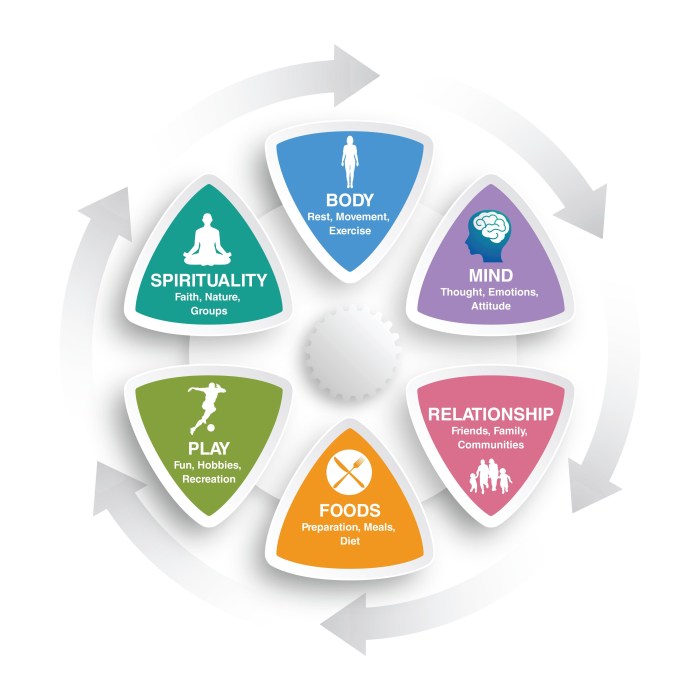
Holistic wellness programs focus on the overall well-being of an individual, addressing physical, mental, emotional, and spiritual aspects to achieve optimal health. These programs emphasize the interconnectedness of these different components and aim to create balance and harmony in one’s life.
Components of a Holistic Wellness Program
- Physical Fitness: Incorporating regular exercise routines tailored to individual needs and abilities to improve strength, flexibility, and cardiovascular health.
- Nutrition Guidance: Providing personalized dietary plans that promote healthy eating habits, balance nutrients, and support overall wellness.
- Mental Health Support: Offering stress management techniques, mindfulness practices, and counseling to enhance mental well-being and emotional resilience.
- Social Connection: Encouraging participation in community activities, support groups, and social events to foster relationships and reduce feelings of isolation.
- Spiritual Wellness: Exploring practices such as meditation, yoga, or reflection to connect with inner values, beliefs, and purpose in life.
Examples of Successful Wellness Programs
- The Mayo Clinic Healthy Living Program: A comprehensive wellness initiative that combines medical expertise, fitness assessments, nutrition counseling, and behavioral coaching to empower participants in making sustainable lifestyle changes.
- Google’s “Search Inside Yourself” Program: A mindfulness-based emotional intelligence training program designed to enhance self-awareness, empathy, and resilience among employees, resulting in improved well-being and productivity.
- Corporate Wellness Programs: Many companies offer wellness programs to employees, including fitness challenges, health screenings, mental health resources, and incentives for healthy behaviors, leading to reduced absenteeism and healthcare costs.
Importance of Personalized Wellness Programs
Personalized wellness programs take into account individual health needs, preferences, and goals, creating tailored plans that address specific challenges and promote sustainable behavior change. By focusing on personalized strategies, these programs can effectively support participants in achieving their health objectives and maintaining long-term well-being.
Benefits of Physical Therapy for Rehabilitation and Prevention
Physical therapy plays a crucial role in both recovering from injuries and preventing future ones by improving mobility and enhancing physical function.
Recovering from Injuries
- Physical therapy helps in the rehabilitation process by providing specific exercises and techniques to target the affected area and promote healing.
- Through guided movements and therapies, patients can regain strength, flexibility, and range of motion in the injured body part.
- Physical therapists create personalized treatment plans to address individual needs and facilitate a faster recovery process.
Preventing Future Injuries
- By identifying weaknesses, imbalances, or movement patterns that may lead to injuries, physical therapy helps in correcting these issues proactively.
- Regular sessions can improve overall body mechanics, posture, and muscle coordination, reducing the risk of future injuries during physical activities.
- Physical therapists educate patients on proper body mechanics and techniques to prevent strains, sprains, and other common injuries.
Incorporating Physical Therapy into Fitness Routine
- Integrating physical therapy exercises into a regular fitness routine can enhance performance, prevent overuse injuries, and promote long-term musculoskeletal health.
- By focusing on strengthening core muscles, improving flexibility, and correcting movement patterns, individuals can optimize their physical capabilities and reduce the likelihood of injuries.
- Consistent practice of prescribed exercises and techniques from physical therapy sessions can lead to better endurance, balance, and overall fitness level.
Role of Health Coaching in Motivating Behavior Change
Health coaching plays a crucial role in motivating individuals to make sustainable lifestyle changes by providing personalized guidance, support, and accountability. Through effective coaching techniques, individuals are empowered to take ownership of their health and well-being, leading to long-term behavior change.
Strategies to Enhance Motivation and Accountability
- Setting realistic and achievable goals: Health coaches help individuals set specific, measurable, attainable, relevant, and time-bound (SMART) goals to keep them motivated and focused.
- Providing continuous support and encouragement: Coaches offer ongoing support, feedback, and encouragement to help individuals stay on track and overcome challenges.
- Utilizing motivational interviewing techniques: Health coaches use motivational interviewing techniques to help individuals explore their values, beliefs, and motivations for change, increasing their commitment to making healthier choices.
- Tracking progress and celebrating successes: Coaches monitor progress, celebrate achievements, and provide positive reinforcement to reinforce positive behaviors and motivate individuals to continue making healthy choices.
Impact on Setting and Achieving Fitness Goals, Health coaching for lifestyle changes
- Personalized fitness plans: Health coaches work with individuals to create personalized fitness plans tailored to their goals, preferences, and lifestyle, increasing motivation and adherence to the plan.
- Behavioral modification techniques: Coaches use behavioral modification techniques to help individuals develop healthy habits, overcome barriers, and sustain long-term fitness goals.
- Accountability and support: By providing accountability and support, health coaches help individuals stay committed to their fitness goals, track progress, and make necessary adjustments to achieve success.
Advancements in Medical Technology for Health Monitoring
Medical technology has made significant strides in recent years, especially in the field of health monitoring. These advancements have revolutionized preventive medicine and early detection of health issues, ultimately improving patient outcomes and quality of life.
Wearable Health Devices
- Wearable fitness trackers have become increasingly popular, allowing individuals to monitor their physical activity, heart rate, sleep patterns, and even stress levels.
- Smartwatches with health monitoring features can track vital signs such as blood pressure, blood oxygen levels, and ECG readings, providing valuable data for early detection of cardiovascular issues.
- Continuous glucose monitors are now available for individuals with diabetes, offering real-time glucose readings and trends to better manage blood sugar levels.
Telehealth and Remote Monitoring
- Telehealth platforms enable patients to consult with healthcare providers remotely, reducing the need for in-person visits and improving access to care.
- Remote monitoring devices allow healthcare professionals to track patients’ health parameters, such as blood pressure, weight, and medication adherence, in real-time, enhancing chronic disease management and preventive interventions.
Artificial Intelligence in Health Monitoring
- AI-powered algorithms can analyze large volumes of health data to identify patterns and predict potential health issues, helping healthcare providers offer personalized treatment plans and interventions.
- Smart algorithms integrated into medical devices can provide real-time feedback and alerts based on individual health parameters, empowering users to take proactive steps towards better health.
Importance of Balanced Nutrition for Overall Health
Having a balanced nutrition is crucial for supporting overall health and well-being. It provides the necessary nutrients for the body to function properly, maintain energy levels, and prevent diseases.
Examples of a Well-Rounded Diet
A well-rounded diet should include a variety of food groups to ensure the intake of essential nutrients. Some examples of a balanced diet include:
- Fruits and vegetables for vitamins, minerals, and fiber
- Whole grains for carbohydrates and fiber
- Lean proteins like poultry, fish, tofu, or legumes for muscle health
- Dairy or dairy alternatives for calcium and vitamin D
- Healthy fats from sources like nuts, seeds, and olive oil
Impact of Balanced Nutrition
Balanced nutrition plays a key role in weight management, energy levels, and disease prevention:
- Weight Management: Eating a balanced diet helps maintain a healthy weight by providing the necessary nutrients without excess calories.
- Energy Levels: Proper nutrition fuels the body with energy, enhancing productivity and overall well-being.
- Disease Prevention: A balanced diet strengthens the immune system and reduces the risk of chronic diseases like heart disease, diabetes, and certain cancers.
Enhancing Mental Strength through Mindfulness Practices
Mindfulness practices such as meditation and breathing techniques are powerful tools that can significantly enhance mental strength. By incorporating mindfulness into daily routines, individuals can experience numerous benefits for their emotional well-being and overall mental health.
Benefits of Mindfulness Practices
- Reduced stress and anxiety levels
- Improved focus and concentration
- Enhanced emotional regulation
- Increased self-awareness and self-compassion
Strategies for Building Resilience
- Practice deep breathing exercises to calm the mind and body
- Engage in daily meditation to enhance mindfulness and presence
- Acknowledge and accept emotions without judgment
- Cultivate gratitude and positive thinking through mindfulness practices
Incorporating Yoga Practice for Physical and Mental Health
Yoga is a holistic practice that offers a multitude of benefits for both physical and mental well-being. It involves a combination of poses, breathing exercises, and meditation techniques that can help improve flexibility, strength, and relaxation. Additionally, yoga has been found to be effective in reducing stress levels and promoting mindfulness, making it a valuable tool for enhancing mental health.
Benefits of Yoga for Physical and Mental Health
- Improves Flexibility: Yoga poses are designed to stretch and lengthen muscles, helping to increase flexibility and range of motion.
- Builds Strength: Holding yoga poses requires engaging various muscle groups, leading to improved strength and muscle tone.
- Promotes Relaxation: The focus on deep breathing and mindfulness in yoga practice can help calm the mind and reduce stress levels.
Types of Yoga and Their Benefits
| Type of Yoga | Benefits |
|---|---|
| Hatha Yoga | Focuses on basic poses and breathing techniques, suitable for beginners. |
| Vinyasa Yoga | Emphasizes flowing movements and coordination with breath, improving cardiovascular health. |
| Yin Yoga | Targets deep connective tissues and promotes relaxation through long-held poses. |
Importance of Health Education in Empowering Individuals
Health education plays a crucial role in empowering individuals to take charge of their well-being by providing them with the knowledge and skills needed to make informed decisions about their health.
Role of Health Education in Empowering Individuals
- Health education helps individuals understand the importance of preventive care and early detection of health issues, leading to better overall health outcomes.
- By promoting healthy behaviors and lifestyle choices, health education empowers individuals to take control of their health and well-being.
- It equips individuals with the necessary information to navigate the healthcare system, make informed decisions about treatment options, and advocate for their own health needs.
Examples of Effective Health Education Programs
- The “5-A-Day” campaign, which promotes the consumption of fruits and vegetables for better health, has successfully increased awareness and consumption of these nutritious foods in communities.
- School-based health education programs that focus on topics such as nutrition, physical activity, and mental health have been shown to improve students’ health behaviors and outcomes.
- Community workshops and seminars on topics like diabetes management, heart health, and stress reduction have empowered individuals to take proactive steps towards improving their health.
Significance of Continuous Health Education
- Continuous health education is essential for promoting health awareness and preventive care, as it reinforces important health messages and updates individuals on the latest health information.
- By engaging in ongoing health education, individuals are better equipped to make informed decisions about their health and adopt healthier behaviors in their daily lives.
- Regular health education initiatives help to bridge the gap between healthcare providers and patients, fostering a collaborative approach to health management and promoting positive health outcomes.
Strategies for Effective Weight Management: Health Coaching For Lifestyle Changes
Maintaining a healthy weight is essential for overall well-being. It not only reduces the risk of various health conditions but also improves quality of life. Effective weight management involves adopting sustainable lifestyle changes and habits. Health coaching can play a crucial role in providing guidance and support throughout this journey.
Setting Realistic Weight Management Goals
Setting realistic goals is the foundation of successful weight management. It is important to establish achievable targets that consider individual capabilities and limitations. By breaking down larger goals into smaller milestones, progress can be tracked more effectively.
Adopting Healthy Eating Habits
- Focus on consuming a balanced diet rich in fruits, vegetables, whole grains, lean proteins, and healthy fats.
- Avoid processed foods, sugary beverages, and excessive amounts of salt and sugar.
- Practice mindful eating by paying attention to hunger cues and eating slowly to prevent overeating.
Regular Physical Activity
- Incorporate regular exercise into your routine, aiming for at least 150 minutes of moderate-intensity physical activity per week.
- Choose activities that you enjoy to increase adherence and make exercise a sustainable habit.
- Include a combination of cardio, strength training, and flexibility exercises for overall fitness.
Stress Management Techniques
- Manage stress through relaxation techniques such as deep breathing, meditation, yoga, or tai chi.
- Prioritize sleep to support overall well-being and weight management.
- Seek social support and engage in activities that promote mental health and emotional well-being.
Benefits of Regular Health Checkups for Preventive Care
Regular health checkups play a crucial role in maintaining overall well-being by detecting potential health issues early on. Preventive care through routine screenings and examinations can significantly impact longevity and quality of life.
Early Detection of Health Issues
Regular health checkups enable healthcare providers to identify any underlying health concerns before they escalate into more serious conditions. Early detection allows for prompt intervention and treatment, increasing the chances of successful outcomes.
Preventive Measures for Better Health
By undergoing regular health checkups, individuals can proactively manage their health and reduce the risk of developing chronic illnesses. Preventive measures such as vaccinations, screenings, and lifestyle modifications can help maintain optimal health and well-being.
Improved Quality of Life
Routine health checkups contribute to an improved quality of life by addressing health issues in their early stages. By monitoring key health indicators and making necessary adjustments, individuals can lead healthier and more fulfilling lives.
Skincare Tips for Healthy Skin
Maintaining healthy skin is essential for overall well-being. Our skin is constantly exposed to various factors that can affect its health, such as diet, stress, and environmental damage. By following a proper skincare routine and making some lifestyle changes, you can promote healthy and radiant skin.
Impact of Lifestyle Factors on Skin Health
- Avoiding excessive sun exposure is crucial to prevent premature aging and skin damage. Remember to use sunscreen daily.
- Eating a balanced diet rich in fruits, vegetables, and healthy fats can help nourish your skin from the inside out.
- Managing stress levels through relaxation techniques like meditation or yoga can improve skin conditions such as acne or eczema.
Recommendations for Protecting Skin from Environmental Damage
- Use skincare products with antioxidants like vitamin C to combat free radicals and environmental pollutants.
- Hydrate your skin by drinking plenty of water and using moisturizers to maintain its elasticity and radiance.
- Avoid smoking and limit alcohol consumption, as these habits can accelerate skin aging and damage.
Promoting Emotional Health and Well-Being
Promoting emotional health and well-being is crucial for maintaining a balanced and healthy lifestyle. It involves taking care of your mental and emotional state through various self-care practices and seeking support when needed. Emotional well-being plays a significant role in overall health and quality of life, impacting how we think, feel, and act in our daily lives.
Strategies for Promoting Emotional Health and Well-Being
- Practice mindfulness and meditation to reduce stress and anxiety levels.
- Engage in regular physical activity to boost mood and improve mental health.
- Connect with loved ones and build a strong support system for emotional support.
- Set boundaries to protect your mental and emotional well-being from negative influences.
- Seek professional help from therapists or counselors if needed to address mental health concerns.
Importance of Seeking Support and Resources for Mental Health Concerns
- Recognize the signs of mental health issues and seek help early to prevent further complications.
- Access community resources, hotlines, and support groups to find the help you need.
- Break the stigma surrounding mental health and encourage open conversations about emotions and struggles.
- Consult with mental health professionals for proper diagnosis and treatment of mental health conditions.
Role of Emotional Well-Being in Overall Health and Quality of Life
- Emotional well-being influences how we cope with stress, make decisions, and interact with others.
- Positive emotional health can boost immunity, lower risk of chronic diseases, and improve longevity.
- Addressing emotional health can enhance relationships, work productivity, and overall life satisfaction.
- Emotional well-being contributes to a sense of fulfillment, purpose, and resilience in facing life’s challenges.
Motivational Techniques for Health and Fitness
Staying committed to health and fitness goals can be challenging, but employing effective motivational techniques can make a significant difference in achieving long-term success. Motivation plays a crucial role in sustaining behavior change and lifestyle improvements, ultimately leading to better overall health and well-being.
Role of Positive Reinforcement
Positive reinforcement is a powerful motivational tool that involves rewarding yourself for making progress towards your health and fitness goals. By acknowledging and celebrating even small achievements, you can boost your confidence and motivation to continue on your journey. For example, treating yourself to a spa day or buying new workout gear can act as positive reinforcements for sticking to your exercise routine.
Self-Motivation Strategies
Self-motivation is essential for maintaining consistency in your health and fitness efforts. Setting clear and achievable goals, visualizing your success, and maintaining a positive mindset are key self-motivation strategies. For instance, creating a vision board with images of your fitness goals can help you stay motivated and focused on your objectives.
Impact of Motivation on Behavior Change
Motivation serves as a driving force behind behavior change. When individuals are motivated to adopt healthier habits, such as regular exercise and balanced nutrition, they are more likely to sustain these changes in the long run. For example, feeling motivated to improve your overall well-being can inspire you to prioritize healthy meal choices and engage in physical activities consistently.
Importance of Physical Activities for Overall Health
Regular physical activity plays a crucial role in maintaining overall health and well-being. It offers a wide range of benefits, including improving cardiovascular health, enhancing strength, and increasing flexibility. Incorporating physical activities into daily routines is essential for a healthy lifestyle as it positively impacts both physical and mental health.
Benefits of Regular Physical Activity
- Improves cardiovascular health: Engaging in activities like walking, jogging, or cycling helps strengthen the heart and improve blood circulation, reducing the risk of heart diseases.
- Enhances strength and flexibility: Activities such as weight lifting, yoga, or Pilates help build muscle strength and improve flexibility, which is crucial for maintaining mobility and preventing injuries.
- Boosts mental health: Exercise releases endorphins, also known as ‘feel-good’ hormones, which can help reduce feelings of anxiety, depression, and stress. It also promotes better sleep and overall mood regulation.
Increasing Health Awareness for Disease Prevention

Increasing health awareness plays a crucial role in preventing diseases and promoting early intervention. By educating individuals about the importance of healthy lifestyle choices and regular health screenings, we can empower them to take proactive steps towards prevention.
Examples of Successful Public Health Campaigns
- The “5 A Day” campaign, which encouraged people to eat at least five servings of fruits and vegetables daily, successfully raised awareness about the importance of a balanced diet in preventing chronic diseases.
- The “Know Your Numbers” campaign, focusing on blood pressure, cholesterol, and blood sugar levels, helped individuals understand the significance of regular health checkups for early detection and prevention of cardiovascular diseases.
Role of Health Education in Empowering Individuals
- Health education equips individuals with the knowledge and skills needed to make informed decisions about their health. By providing information on risk factors, symptoms, and preventive measures, people can take control of their well-being and adopt healthier habits.
- Empowering individuals through health education enables them to recognize warning signs, seek timely medical attention, and engage in preventive behaviors that can significantly reduce the risk of developing various health conditions.
Advancements in Preventive Medicine for Health Promotion
Preventive medicine plays a crucial role in promoting overall health and well-being by focusing on early detection and intervention to prevent diseases before they occur. Recent advancements in preventive medicine have revolutionized the way healthcare professionals approach health promotion strategies.
Personalized Care and Risk Reduction
In recent years, preventive medicine strategies have shifted towards personalized care, taking into account individual genetics, lifestyle factors, and environmental influences. By customizing healthcare plans based on specific risk factors, healthcare providers can effectively reduce the likelihood of developing chronic diseases.
Impactful Preventive Medicine Practices
One significant example of a preventive medicine practice that has had a major impact on public health is vaccination programs. Vaccinations have successfully eradicated or controlled many infectious diseases, saving millions of lives worldwide. Additionally, screening programs for early detection of conditions such as cancer and cardiovascular diseases have significantly improved outcomes and survival rates.
Technological Innovations in Preventive Medicine
Advancements in medical technology have enabled the development of innovative tools for preventive medicine. From wearable devices that monitor vital signs and alert individuals to potential health risks to genetic testing for personalized disease risk assessment, technology has enhanced the effectiveness of preventive healthcare interventions.
Role of Nutritional Counseling in Supporting Healthy Eating Habits
Nutritional counseling plays a crucial role in supporting individuals in making informed food choices to maintain a healthy lifestyle. By providing personalized guidance and education, nutritionists and dietitians help clients develop healthier eating habits and achieve their dietary goals.
Addressing Specific Dietary Needs and Goals
Nutritional counseling can tailor dietary recommendations to address specific health concerns, such as managing chronic conditions like diabetes, heart disease, or food allergies. By understanding individual needs and goals, nutritionists can create customized meal plans that promote overall health and well-being.
Benefits of Working with a Nutritionist or Dietitian
Collaborating with a nutritionist or dietitian offers the advantage of receiving expert guidance and support in navigating the complexities of nutrition. These professionals can provide evidence-based advice, monitor progress, and make adjustments to ensure that dietary goals are met effectively.
Cultivating a Healthy Mind for Overall Well-Being
Maintaining a healthy mind is essential for overall well-being as it plays a crucial role in our emotional, psychological, and physical health. Cultivating a positive mindset through various strategies can significantly impact our quality of life.
Strategies for Cultivating a Healthy Mind
- Practice gratitude daily by acknowledging the positive aspects of your life.
- Engage in mindfulness activities such as meditation and deep breathing exercises to reduce stress and promote mental clarity.
- Surround yourself with a supportive social network that uplifts and encourages you.
- Set realistic goals and celebrate your achievements, no matter how small they may seem.
- Engage in hobbies and activities that bring you joy and relaxation.
The Connection Between Mental Health and Physical Well-Being
Mental health and physical well-being are closely interconnected, as our thoughts and emotions can impact our physical health. Chronic stress, anxiety, and negative thinking patterns can manifest physically in the form of headaches, digestive issues, and weakened immune system.
Tips for Maintaining a Healthy Mind
- Practice self-care routines such as getting enough sleep, eating nutritious foods, and exercising regularly.
- Learn to manage stress through techniques like yoga, tai chi, or journaling.
- Seek professional help if you are struggling with mental health issues to receive the necessary support and guidance.
- Acknowledge your emotions and allow yourself to feel them without judgment.
- Cultivate a positive self-image by practicing self-compassion and self-love.
FAQ Guide
How can health coaching benefit individuals seeking lifestyle changes?
Health coaching provides personalized guidance, motivation, and accountability to support individuals in making sustainable lifestyle changes.
What sets health coaching apart from traditional methods of promoting lifestyle changes?
Health coaching focuses on individual needs, offers personalized strategies, and enhances motivation and accountability for long-term success.
Is health coaching suitable for everyone, regardless of their current health status?
Yes, health coaching can be tailored to meet the unique needs and goals of individuals at any stage of their wellness journey.
How can one find a qualified health coach for guidance on lifestyle changes?
Seek recommendations, review credentials, and ensure compatibility with a health coach to find the right fit for personalized support.


More Stories
Weight management and social support – A Holistic Approach to Health and Wellness
Weight management during menopause: Tips and Strategies to Stay Healthy
Yoga practice for beginners: A Beginners Guide to Starting Yoga