Introduction to Combination Skin
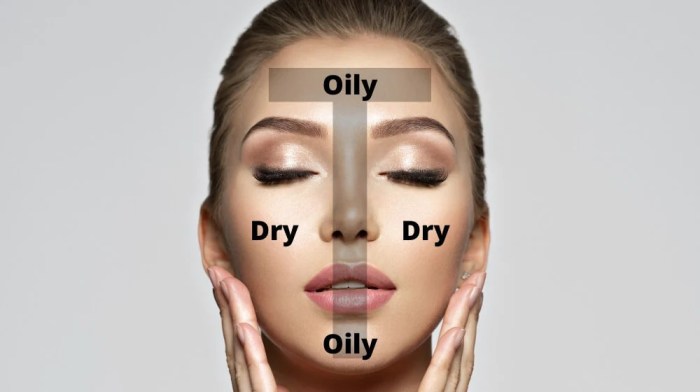
Skincare routine for combination skin – Combination skin is a skin type characterized by having both oily and dry areas on the face. Typically, the T-zone (forehead, nose, and chin) tends to be oily, while the cheeks are dry or normal. Managing combination skin can be challenging as it requires a delicate balance of skincare products and routines to address both oily and dry areas effectively.
Common Misconceptions about Combination Skin
- One common misconception about combination skin is that you should only use products designed for either oily or dry skin. In reality, it’s essential to use a combination of products that cater to both skin types.
- Another misconception is that oily areas need to be dried out with harsh products. However, stripping the skin of its natural oils can lead to overproduction of oil, exacerbating the issue.
- Some people believe that combination skin is a temporary condition that will resolve on its own. While skin conditions can change over time, combination skin often requires consistent care to maintain a healthy balance.
Skincare Routine Basics
Establishing a proper skincare routine is essential for maintaining healthy skin, especially when dealing with combination skin. This type of skin requires a delicate balance of hydration and oil control to address both dry and oily areas.
Cleansing
- Begin your skincare routine by cleansing your face with a gentle, non-comedogenic cleanser. Avoid harsh products that strip the skin of its natural oils, as this can lead to increased oil production.
- Look for cleansers that contain ingredients like salicylic acid or glycolic acid to help exfoliate and unclog pores in oily areas, while still being gentle enough for dry areas.
- Remember to wash your face twice a day, in the morning and evening, to remove dirt, oil, and makeup that can accumulate on the skin.
Toning
- After cleansing, use a toner to help balance the skin’s pH levels and prepare it for better absorption of subsequent products.
- Opt for alcohol-free toners to avoid drying out the skin further, and choose hydrating toners with ingredients like hyaluronic acid to provide moisture to dry areas.
- Toning can also help tighten pores and refresh the skin, promoting a more even complexion.
Moisturizing
- Moisturizing is crucial for combination skin to provide hydration to dry areas without adding excess oil to oily areas.
- Use a lightweight, oil-free moisturizer that is non-comedogenic to prevent clogged pores and breakouts.
- Consider using separate moisturizers for different areas of your face, such as a gel-based formula for oily areas and a creamier formula for dry areas.
Sun Protection
- Always remember to apply sunscreen as the last step in your skincare routine, regardless of the weather or time of year.
- Choose a broad-spectrum sunscreen with an SPF of 30 or higher to protect your skin from harmful UV rays that can cause premature aging and skin damage.
- Reapply sunscreen every two hours, especially if you’re spending extended periods outdoors or engaging in water activities.
Morning Skincare Routine
For those with combination skin, a morning skincare routine is essential to balance oiliness and dryness while providing the necessary hydration and protection for the day ahead.
In the morning, it’s crucial to start with a gentle cleanser to remove any impurities that may have accumulated overnight. This step helps to prep the skin for better absorption of products that follow.
Cleansing
- Opt for a mild, sulfate-free cleanser to avoid stripping the skin of its natural oils.
- Look for ingredients like glycerin or hyaluronic acid to maintain hydration levels.
Toning
- Use a hydrating toner with ingredients like rose water or witch hazel to rebalance the skin’s pH levels.
- Avoid alcohol-based toners that can be drying and irritating for combination skin.
Serum
- Apply a lightweight serum containing antioxidants like vitamin C to protect the skin from environmental damage.
- Consider using a niacinamide serum to regulate sebum production and minimize pores.
Moisturizing
- Choose a non-comedogenic moisturizer to hydrate the skin without clogging pores.
- Look for ingredients like ceramides or squalane to strengthen the skin barrier and lock in moisture.
Sun Protection
- Finish off your morning routine with a broad-spectrum sunscreen with at least SPF 30 to shield the skin from harmful UV rays.
- Opt for a lightweight, non-greasy formula to prevent a greasy shine on the skin throughout the day.
Evening Skincare Routine
After a long day, it’s essential to follow a proper evening skincare routine to cleanse, nourish, and repair your skin while you sleep. This routine is crucial for maintaining healthy and glowing skin, especially for those with combination skin.
Cleansing:
Start your evening routine by cleansing your face with a gentle cleanser to remove makeup, dirt, and excess oil accumulated throughout the day. This will help prevent clogged pores and breakouts.
Toning:
Follow up with a toner to balance the pH of your skin and prepare it for better absorption of the following skincare products. Look for a toner that is alcohol-free to avoid drying out your skin.
Serums:
Apply a targeted serum based on your skin concerns, such as a hydrating serum for dry areas and a balancing serum for oily T-zone. Serums are packed with active ingredients that penetrate deep into the skin to address specific issues.
Moisturizing:
Finish off your routine by applying a lightweight moisturizer to hydrate and nourish your skin overnight. Opt for a non-comedogenic formula to prevent clogged pores and breakouts, especially in oily areas.
Treatments:
Once or twice a week, incorporate treatments like face masks or exfoliants into your evening routine to deeply cleanse and rejuvenate your skin. Choose products that are suitable for combination skin to balance and enhance your complexion.
Targeted Treatments
When dealing with combination skin, it’s important to address specific skin concerns like acne, dryness, or oiliness effectively. Incorporating targeted treatments into your skincare routine can help balance and improve the overall health of your skin.
Role of Exfoliation
Exfoliation plays a crucial role in a skincare routine for combination skin. It helps remove dead skin cells, unclogs pores, and promotes cell turnover, resulting in a smoother and more radiant complexion. However, it’s important to exfoliate gently and not overdo it, as this can irritate the skin and lead to further issues.
Spot Treatments and Serums
Spot treatments and serums can be beneficial in targeting specific skin concerns. Look for products containing ingredients like salicylic acid for acne-prone areas, hyaluronic acid for dry patches, or niacinamide for oily areas. These targeted treatments can help address individual skin issues effectively without disrupting the balance of combination skin.
Lifestyle Factors: Skincare Routine For Combination Skin
Maintaining healthy skin goes beyond just skincare products; lifestyle factors play a crucial role in the overall health of your skin. Factors like diet, stress, and habits can significantly impact the condition of combination skin.
Diet and Skin Health
Eating a balanced diet rich in vitamins, minerals, and antioxidants can help improve the health of your skin. Foods high in sugar and unhealthy fats can contribute to skin issues like acne and inflammation. Make sure to include plenty of fruits, vegetables, whole grains, and lean proteins in your diet to support healthy skin.
Stress Management
Stress can trigger skin conditions like acne and eczema, making it important to find ways to manage stress levels. Practice relaxation techniques such as yoga, meditation, or deep breathing exercises to help reduce stress and improve the overall health of your skin.
Healthy Habits
Incorporating healthy habits into your daily routine can also benefit your skin. Getting an adequate amount of sleep, staying hydrated, and exercising regularly can help maintain skin health. Avoid habits like smoking and excessive alcohol consumption, as they can have negative effects on your skin.
Professional Skincare Advice
Seeking advice from a dermatologist or skincare professional can be beneficial for individuals with combination skin. These experts can provide personalized recommendations based on your specific skin concerns and help you achieve optimal skin health.
Benefits of Professional Treatments
- Customized Treatment Plans: Skincare professionals can tailor treatment plans to address your unique combination skin issues, ensuring effective results.
- Advanced Procedures: Dermatologists offer access to advanced skincare procedures that may not be available over-the-counter, such as chemical peels or laser treatments.
- Professional Assessment: Professionals can conduct thorough skin assessments to identify underlying skin conditions and recommend appropriate treatments.
- Monitoring Progress: Regular visits to a skincare professional allow for monitoring of skin improvements and adjustments to the treatment plan as needed.
Common Skincare Procedures
- Chemical Peels: A chemical solution is applied to the skin to exfoliate the top layer, revealing smoother and brighter skin underneath.
- Laser Therapy: Laser treatments can target specific skin concerns like acne scars, hyperpigmentation, or uneven skin tone.
- Microdermabrasion: This procedure exfoliates the skin using a diamond-tipped wand to improve skin texture and tone.
- Extraction: Skincare professionals can safely extract blackheads and whiteheads to unclog pores and prevent breakouts.
Additional Health and Wellness Topics
Maintaining overall health and wellness goes beyond skincare routines. It involves a holistic approach that includes various aspects of physical, mental, and emotional well-being.
Healthy Snacks
Eating healthy snacks throughout the day can help regulate blood sugar levels, provide essential nutrients, and prevent overeating during main meals. Opt for options like fruits, nuts, yogurt, or whole-grain crackers for a balanced diet.
Wellness Programs
Participating in wellness programs can provide guidance on nutrition, exercise, stress management, and overall well-being. These programs often offer resources and support to help individuals make positive lifestyle changes.
Physical Therapy
Physical therapy plays a crucial role in rehabilitation, injury prevention, and improving mobility. It involves personalized exercises and treatments to address musculoskeletal issues and enhance physical function.
Health Coaching
Health coaches offer personalized guidance and support to help individuals set and achieve health goals. They focus on lifestyle changes, behavior modification, and accountability to promote long-term well-being.
Medical Advancements
Staying informed about the latest medical advancements can help individuals access cutting-edge treatments, technologies, and therapies for various health conditions. Consult with healthcare providers to explore innovative options.
Fitness Goals, Skincare routine for combination skin
Setting fitness goals can motivate individuals to stay active, improve physical strength, and enhance overall health. Whether it’s running a marathon, mastering a new yoga pose, or increasing flexibility, goals can drive progress.
Balanced Nutrition
Consuming a balanced diet rich in fruits, vegetables, lean proteins, and whole grains is essential for optimal health. Nutrient-dense foods provide the necessary vitamins and minerals to support bodily functions.
Mental Strength
Building mental strength involves developing resilience, coping strategies, and positive thinking. Practices like mindfulness, meditation, and therapy can strengthen mental well-being and enhance emotional resilience.
Yoga Practice
Yoga combines physical postures, breathwork, and meditation to promote flexibility, strength, and relaxation. Regular practice can improve balance, reduce stress, and enhance overall well-being.
Health Education
Educating oneself about health-related topics, disease prevention, and lifestyle habits is crucial for making informed decisions. Stay updated on health news, research findings, and wellness trends to prioritize well-being.
Weight Management
Maintaining a healthy weight through proper nutrition, regular exercise, and lifestyle modifications is important for overall health. Achieving and sustaining a healthy weight can reduce the risk of chronic diseases.
Health Checkups
Regular health checkups and screenings are essential for early detection of health issues and preventive care. Consult healthcare providers for routine exams, vaccinations, and screenings based on age and risk factors.
Skin Health
Caring for your skin involves using appropriate skincare products, protecting against sun damage, and maintaining hydration. Establish a skincare routine tailored to your skin type and address specific concerns for healthy skin.
Emotional Health
Emotional health encompasses mental well-being, stress management, and emotional resilience. Prioritize self-care activities, relaxation techniques, and seeking support to nurture emotional health.
Health Motivation
Staying motivated to prioritize health and wellness involves setting goals, tracking progress, and staying accountable. Find sources of inspiration, create a supportive environment, and celebrate achievements to stay motivated.
Physical Activities
Engaging in regular physical activities like walking, jogging, swimming, or dancing can improve cardiovascular health, boost mood, and enhance physical fitness. Choose activities you enjoy to make exercise a sustainable habit.
Health Awareness
Raising awareness about health issues, preventive measures, and available resources is key to promoting well-being. Stay informed, participate in health campaigns, and advocate for access to healthcare services for all individuals.
Preventive Medicine
Preventive medicine focuses on disease prevention, early detection, and lifestyle modifications to reduce health risks. Embrace preventive measures like vaccinations, screenings, and healthy habits for long-term well-being.
Nutritional Counseling
Nutritional counseling involves working with dietitians or nutritionists to develop personalized meal plans, address dietary concerns, and optimize nutrition intake. Seek professional guidance to improve dietary habits and overall health.
Healthy Mind
Nurturing a healthy mind involves practicing self-care, mindfulness, and stress management techniques. Prioritize mental well-being, seek therapy if needed, and engage in activities that promote cognitive function and emotional balance.
FAQ Compilation
How often should I exfoliate combination skin?
Exfoliating 2-3 times a week can help remove dead skin cells and unclog pores without over-drying the skin.
Can I use a face oil for my combination skin?
Yes, you can use lightweight face oils that are non-comedogenic and suitable for combination skin to provide hydration without greasiness.
Is it necessary to use a separate sunscreen for combination skin?
Absolutely, using a broad-spectrum sunscreen is crucial for combination skin to protect against sun damage and premature aging.



More Stories