Impact of social relationships on emotional health
Positive social relationships play a crucial role in improving emotional well-being by providing support, companionship, and a sense of belonging. When individuals feel connected to others and have strong social ties, they are more likely to experience lower levels of stress, anxiety, and depression.
Positive impact of social relationships
- Positive social relationships can act as a buffer against stress and adversity, helping individuals cope better with life challenges.
- Having close friendships and supportive family relationships can enhance self-esteem and promote a sense of happiness and fulfillment.
- Engaging in meaningful social interactions can boost feelings of empathy, compassion, and overall emotional resilience.
Negative impact of social relationships
- Negative social relationships, characterized by conflict, criticism, and lack of support, can contribute to feelings of loneliness, isolation, and poor mental health.
- Toxic relationships can lead to increased levels of anxiety, depression, and other emotional distress.
- Experiencing rejection or betrayal within social circles can have detrimental effects on one’s emotional well-being and overall psychological health.
Social support networks and mental health
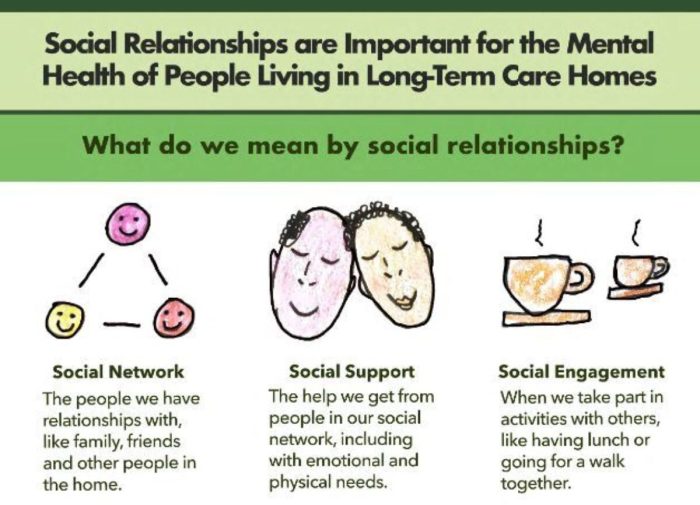
- Social support networks, including friends, family, and community groups, can provide emotional support, practical assistance, and a sense of belonging.
- Access to a strong social support system has been linked to lower rates of depression, anxiety, and overall psychological distress.
- Individuals with robust social connections are better equipped to manage stress, regulate emotions, and maintain a positive outlook on life.
Research findings on social connections and emotional resilience
- Studies have shown that individuals with strong social connections are more likely to exhibit higher levels of emotional resilience in the face of adversity.
- Research has demonstrated a positive correlation between social support, mental health, and overall well-being, highlighting the importance of fostering meaningful relationships.
- Building and maintaining social connections can have a protective effect on emotional health, reducing the risk of developing mental health disorders and promoting psychological well-being.
Healthy Snacks
Incorporating healthy snacks into a balanced diet is crucial for maintaining overall well-being. Snacking can provide a source of nutrients, energy, and satisfaction between meals, helping to prevent overeating and stabilize blood sugar levels.
Importance of Nutrient-Rich Snacks
- Fresh fruits and vegetables: Rich in vitamins, minerals, and antioxidants, these snacks provide essential nutrients for optimal health.
- Nuts and seeds: High in healthy fats, protein, and fiber, nuts and seeds can help keep you feeling full and satisfied.
- Greek yogurt: A good source of protein and probiotics, Greek yogurt supports gut health and promotes digestion.
Impact of Unhealthy Snacking Habits
Unhealthy snacking habits, such as consuming processed foods high in sugar, salt, and unhealthy fats, can lead to weight gain, increased risk of chronic diseases, and negative effects on mental well-being. These snacks provide empty calories and contribute to mood swings, fatigue, and overall poor health.
Tips for Choosing Nutritious Snacks
- Aim for whole foods: Opt for snacks that are minimally processed and contain natural ingredients.
- Read labels: Check the nutritional information and ingredient list to ensure the snack is low in added sugars, unhealthy fats, and artificial additives.
- Balance macronutrients: Choose snacks that contain a combination of protein, healthy fats, and carbohydrates to keep you satisfied and energized.
Wellness Programs
Impact of social relationships on emotional health – Participating in wellness programs can have a significant impact on emotional health by providing individuals with the tools and resources needed to maintain a healthy lifestyle. These programs often focus on various aspects of well-being, including physical activity, nutrition, stress management, and mental health support.
Benefits of Wellness Programs
- Wellness programs promote overall well-being by encouraging healthy habits and behaviors.
- They can help reduce stress, anxiety, and depression by providing coping mechanisms and support.
- Participating in wellness programs can improve self-esteem and confidence, leading to a more positive outlook on life.
Types of Wellness Programs
- Physical Fitness Programs: These programs focus on promoting regular exercise and physical activity to improve cardiovascular health and overall fitness.
- Nutrition Programs: These programs educate individuals on healthy eating habits and provide resources for making nutritious food choices.
- Mental Health Support Programs: These programs offer counseling, therapy, and other resources to support emotional well-being and manage mental health conditions.
Empowerment through Wellness Programs
Wellness programs empower individuals to take control of their health by providing them with the knowledge and skills needed to make informed decisions about their well-being. By actively participating in these programs, individuals can develop a sense of ownership over their health and become more proactive in maintaining a balanced lifestyle.
Success Stories
- John, a participant in a physical fitness program, was able to lose weight, reduce his stress levels, and improve his overall mood and energy levels.
- Sarah, who joined a nutrition program, learned how to make healthier food choices and manage her emotional eating habits, leading to better control of her weight and improved self-esteem.
- David, who sought help from a mental health support program, received counseling and therapy that helped him overcome his anxiety and depression, allowing him to regain a sense of peace and balance in his life.
Physical Therapy
Physical therapy plays a crucial role in improving emotional well-being by addressing physical limitations and promoting overall health. Through targeted exercises, manual therapy, and education, physical therapists help individuals manage pain, improve mobility, and enhance their quality of life.
Conditions Benefiting from Physical Therapy
- Chronic Pain: Physical therapy interventions such as stretching, strengthening exercises, and manual therapy techniques can help alleviate chronic pain conditions like fibromyalgia, arthritis, or lower back pain, leading to reduced stress and improved mood.
- Post-Stroke Rehabilitation: Physical therapy after a stroke focuses on restoring movement, balance, and coordination, which can boost self-confidence, enhance independence, and positively impact mental health.
- Orthopedic Injuries: Individuals recovering from orthopedic surgeries or injuries benefit from physical therapy to regain strength, flexibility, and function, contributing to a sense of accomplishment and emotional resilience.
Connection between Physical Rehabilitation and Emotional Resilience
Physical rehabilitation through targeted exercises and interventions not only improves physical function but also fosters emotional resilience by enhancing self-efficacy, promoting a sense of control, and facilitating coping strategies. The achievement of physical goals, no matter how small, can have a significant positive impact on emotional well-being, helping individuals navigate challenges with greater confidence and resilience.
Contribution to Holistic Health and Wellness
Physical therapy plays a vital role in a holistic approach to health and wellness by addressing the interconnectedness of physical and emotional well-being. By empowering individuals to take an active role in their recovery, physical therapy promotes self-care, self-awareness, and overall well-being. Integrating physical therapy into a comprehensive wellness program ensures a balanced focus on both physical and emotional health, leading to improved quality of life and long-term well-being.
Health Coaching
Health coaches play a crucial role in supporting individuals’ emotional health goals by providing guidance, motivation, and accountability. They work with clients to create personalized plans that address not only physical health but also mental and emotional well-being.
Benefits of Working with a Health Coach
- Improved overall well-being: Health coaches focus on holistic health, helping individuals make sustainable lifestyle changes that lead to better physical, mental, and emotional health.
- Accountability and motivation: Working with a health coach provides accountability and motivation to stay on track with goals, leading to long-term success.
- Personalized support: Health coaches tailor their approach to the individual, taking into account their unique needs, preferences, and challenges.
- Educational resources: Health coaches provide valuable information, tools, and resources to help clients make informed decisions about their health and wellness.
- Long-term success: Health coaching focuses on creating lasting habits and behaviors that support overall well-being, leading to sustained health outcomes.
Achieving Fitness and Wellness Objectives with Health Coaching
Health coaching can help individuals set realistic goals, create action plans, and overcome obstacles to achieve their fitness and wellness objectives. By working closely with a health coach, individuals can develop healthy habits, improve their mindset, and make positive lifestyle changes that support their well-being.
Finding a Reputable Health Coach
- Credentials and experience: Look for a health coach with relevant credentials, certifications, and experience in the field.
- Client testimonials: Check for reviews and testimonials from previous clients to gauge the effectiveness of the health coach’s approach.
- Personal connection: Choose a health coach with whom you feel comfortable sharing personal information and working towards your goals.
- Communication style: Ensure that the health coach’s communication style aligns with your preferences and motivates you to make positive changes.
- Goal alignment: Select a health coach who understands your goals, values, and priorities to provide personalized support that resonates with you.
Medical Advancements
Medical advancements have played a crucial role in transforming the treatment of mental health disorders and improving emotional well-being. These innovative technologies have revolutionized the way mental health conditions are diagnosed and managed, offering new hope and options for individuals struggling with emotional challenges.
Innovative Treatment Approaches
- Brain Stimulation Therapies: Techniques like transcranial magnetic stimulation (TMS) and deep brain stimulation (DBS) have shown promising results in treating depression and other mood disorders.
- Pharmacogenomics: Personalized medicine based on genetic testing helps identify the most effective medications for individuals, reducing trial and error in treatment.
- Virtual Reality Therapy: VR technology is being used to create immersive environments for exposure therapy, helping individuals confront and overcome their fears and anxieties.
Groundbreaking Discoveries
- Discovery of SSRIs: Selective serotonin reuptake inhibitors (SSRIs) revolutionized the treatment of depression and anxiety disorders, offering safer and more effective options for patients.
- Neuroimaging Advancements: Techniques like functional magnetic resonance imaging (fMRI) have provided valuable insights into the brain’s functioning and how mental health conditions manifest neurologically.
- Gene Therapy Research: Ongoing studies on gene therapy hold promise for addressing the root causes of mental health disorders at a molecular level, paving the way for more targeted and effective treatments.
Importance of Awareness
Staying informed about the latest medical advancements in mental health is crucial for individuals, healthcare providers, and policymakers alike. It helps ensure that the best available treatments are utilized, leading to improved outcomes and quality of life for those affected by emotional health challenges.
Fitness Goals
Setting achievable fitness goals is crucial for enhancing emotional health as it provides a sense of purpose, motivation, and accomplishment. By establishing realistic targets, individuals can experience a boost in self-esteem, confidence, and overall well-being.
Importance of Personalized Fitness Plans
Creating a personalized fitness plan tailored to individual needs and preferences is key to improving mental well-being. Tips for developing such a plan include identifying specific goals, incorporating a variety of exercises, scheduling regular workouts, seeking professional guidance if needed, and tracking progress to stay motivated.
Relationship Between Physical Activity and Emotional Resilience
Engaging in regular physical activity has been shown to enhance emotional resilience by reducing stress, anxiety, and depression. Exercise releases endorphins, the body’s natural mood elevators, which can help individuals better cope with challenges and adversity.
Success Stories in Emotional Health Transformation
Numerous individuals have transformed their emotional health through setting and achieving fitness goals. From weight loss journeys to overcoming mental health struggles, these success stories serve as inspiration for others to prioritize their physical well-being for improved emotional wellness.
Balanced Nutrition
Having a balanced nutrition is essential for overall well-being, including emotional health. The food we eat plays a significant role in regulating our mood, energy levels, and cognitive function.
Importance of Balanced Nutrition for Emotional Well-being
- Eating a variety of nutrient-dense foods such as fruits, vegetables, whole grains, lean proteins, and healthy fats can help stabilize mood and reduce feelings of anxiety and depression.
- Consuming adequate amounts of vitamins and minerals, like vitamin D, B vitamins, omega-3 fatty acids, and magnesium, can support brain health and emotional stability.
- Hydrating properly by drinking enough water throughout the day is also crucial for maintaining mental clarity and focus.
Examples of a Well-rounded Diet for Mental Health
- Breakfast: Greek yogurt with berries and nuts
- Lunch: Quinoa salad with mixed vegetables and grilled chicken
- Dinner: Baked salmon with sweet potato and steamed broccoli
Impact of Nutritional Deficiencies on Emotional Health
- A lack of essential nutrients like vitamin D, omega-3 fatty acids, and magnesium can contribute to mood disorders such as depression and anxiety.
- Deficiencies in B vitamins can lead to symptoms of fatigue, irritability, and poor concentration.
Tips for Maintaining a Balanced Diet
- Plan your meals ahead of time to ensure you are eating a variety of foods throughout the day.
- Avoid skipping meals and try to eat at regular intervals to maintain stable blood sugar levels.
- Include a mix of different food groups in each meal to ensure you are getting a wide range of nutrients.
- Limit processed foods, sugary drinks, and excessive caffeine intake as they can negatively impact your mood and energy levels.
Mental Strength
Mental strength plays a crucial role in enhancing emotional resilience and overall well-being. It involves the ability to cope with challenges, setbacks, and stressors effectively. Developing mental fortitude is essential for navigating life’s ups and downs with grace and perseverance.
Strategies for Developing Mental Fortitude
- Practice mindfulness and meditation to cultivate inner peace and clarity.
- Engage in regular physical exercise to boost mood and reduce anxiety.
- Build a strong support network of friends and family for emotional support.
- Challenge negative thought patterns and replace them with positive affirmations.
Personal Anecdotes on Mental Strength
“During a difficult period in my life, I relied on my mental strength to overcome obstacles and emerge stronger than ever. It taught me the power of resilience and perseverance.”
Resources for Enhancing Mental Resilience
- Therapy and counseling services for professional guidance and support.
- Self-help books and online courses focused on mental well-being and emotional resilience.
- Mindfulness apps and meditation practices for daily relaxation and stress management.
Yoga Practice
Yoga is a powerful practice that goes beyond physical fitness, offering numerous benefits for emotional health. Integrating yoga into a wellness routine can have a profound impact on mental well-being.
Benefits of Yoga for Emotional Health
- Improves mood and reduces symptoms of anxiety and depression.
- Promotes relaxation and reduces stress levels.
- Enhances self-awareness and mindfulness.
- Fosters a sense of inner peace and emotional balance.
Types of Yoga for Emotional Well-Being
- Hatha Yoga: Focuses on physical postures and breathing techniques to calm the mind.
- Restorative Yoga: Involves gentle poses held for longer periods to induce deep relaxation.
- Yin Yoga: Targets connective tissues and joints to release emotional tension and promote relaxation.
Tips for Beginners Incorporating Yoga for Mental Wellness
- Start with short sessions and gradually increase the duration as you build strength and flexibility.
- Find a quiet space free from distractions to practice yoga and focus on your breath.
- Listen to your body and modify poses as needed to prevent injury and ensure comfort.
- Explore different styles of yoga to discover what resonates best with your emotional needs and preferences.
Health Education
Health education plays a crucial role in promoting emotional well-being by providing individuals with the knowledge and skills needed to maintain good mental health. By raising awareness about mental health issues, these programs aim to reduce stigma, increase access to resources, and empower individuals to take control of their emotional well-being.
The Role of Health Education in Promoting Emotional Well-being
- Health education programs offer information on coping mechanisms, stress management techniques, and self-care practices to enhance emotional resilience.
- These programs also provide education on identifying signs of mental health disorders and seeking help when needed, ultimately improving overall emotional well-being.
Importance of Raising Awareness about Mental Health Issues
- Raising awareness about mental health issues helps to reduce stigma and discrimination, encouraging individuals to seek help without fear of judgment.
- Increased awareness can lead to early intervention, better treatment outcomes, and improved quality of life for those struggling with emotional health challenges.
Examples of Effective Health Education Programs for Emotional Wellness
- The National Alliance on Mental Illness (NAMI) offers educational programs and support groups to promote mental health awareness and provide resources for individuals and families.
- The Jed Foundation focuses on mental health education and suicide prevention for young adults in college and high school settings.
Resources for Individuals Seeking to Educate Themselves on Mental Health Topics
- The Substance Abuse and Mental Health Services Administration (SAMHSA) provides online resources, helplines, and treatment locators for individuals seeking information on mental health and substance use disorders.
- The National Institute of Mental Health (NIMH) offers publications, research updates, and information on mental health conditions for individuals looking to educate themselves further.
Weight Management
Maintaining a healthy weight is crucial for overall well-being, as it not only impacts physical health but also plays a significant role in emotional well-being. Excess weight can lead to various health issues, impacting self-esteem, confidence, and overall mental health. On the other hand, achieving and maintaining a healthy weight can boost self-confidence, improve mood, and increase overall quality of life.
Impact of Weight Management on Emotional Health
- Weight management can positively impact emotional health by reducing the risk of depression and anxiety.
- Individuals who maintain a healthy weight often experience improved self-esteem and body image, leading to a more positive outlook on life.
- Healthy weight management practices, such as regular exercise and balanced nutrition, can release endorphins that help combat stress and improve mood.
Tips for Healthy Weight Loss Strategies for Emotional Well-Being
- Focus on making gradual lifestyle changes rather than drastic diets or extreme exercise routines.
- Seek support from friends, family, or a healthcare professional to stay motivated and accountable on your weight loss journey.
- Practice mindful eating and listen to your body’s hunger cues to develop a healthy relationship with food.
Success Stories of Emotional Health Transformation through Weight Management
- John, a 35-year-old man, struggled with low self-esteem and depression due to his weight. Through consistent exercise and healthy eating habits, he lost 50 pounds and experienced a significant improvement in his mental health.
- Sarah, a 28-year-old woman, found that achieving her weight loss goals not only boosted her confidence but also helped her manage her anxiety better. She credits her emotional well-being to her commitment to a healthy lifestyle.
Health Checkups
Regular health checkups are crucial for maintaining emotional well-being as they help in early detection and prevention of potential health issues. By keeping up with routine medical screenings, individuals can address any concerns promptly, leading to better overall mental and physical health.
Importance of Routine Health Checkups
Regular health checkups play a significant role in ensuring emotional wellness by identifying any underlying health problems before they escalate. These screenings provide an opportunity for healthcare professionals to monitor key indicators of well-being and offer guidance on maintaining a healthy lifestyle.
- Annual Physical Exams: Regular physical exams help in assessing overall health status, including blood pressure, cholesterol levels, and weight management.
- Mental Health Screenings: Mental health checkups are essential for evaluating emotional well-being and addressing any signs of anxiety, depression, or other mental health conditions.
- Regular Blood Tests: Blood tests can help in detecting potential health issues such as diabetes, thyroid disorders, and vitamin deficiencies.
Tips for Scheduling and Preparing for Checkups
When scheduling health checkups, it is important to prioritize consistency and follow through with recommended screenings. Here are some tips for preparing for regular health checkups:
- Keep a health journal to track any symptoms or concerns to discuss with your healthcare provider.
- Review your family medical history to identify any potential risk factors for certain health conditions.
- Prepare a list of questions or topics to discuss during the checkup to make the most of your appointment.
Skin Health
Maintaining good skin health is not just about appearance; it also plays a significant role in our emotional well-being. Our skin is often a reflection of our internal health and can impact how we feel about ourselves.
Connection between Skin Health and Emotional Well-being
Our skin is the largest organ in our body and serves as a protective barrier. When our skin is healthy, it can boost our confidence and self-esteem, leading to positive emotions. On the other hand, skin conditions or issues can affect our mental health, causing feelings of insecurity, embarrassment, or even anxiety.
- Healthy skin can contribute to a positive self-image and overall well-being.
- Issues like acne, eczema, or psoriasis can impact our mental health and quality of life.
- Taking care of our skin can lead to increased self-confidence and a more positive outlook on life.
Skincare Tips for Emotional Wellness
Caring for your skin goes beyond just using skincare products. It involves adopting healthy habits that promote emotional wellness and confidence.
- Stay hydrated by drinking plenty of water to keep your skin hydrated and glowing.
- Eat a balanced diet rich in fruits, vegetables, and whole grains to nourish your skin from within.
- Protect your skin from the sun by using sunscreen to prevent premature aging and skin damage.
- Establish a skincare routine that includes cleansing, moisturizing, and exfoliating to maintain healthy skin.
Psychological Benefits of Skincare
Taking care of your skin is not just about physical appearance; it also has psychological benefits that contribute to overall well-being.
- Skincare rituals can be a form of self-care, promoting relaxation and stress relief.
- Healthy skin can boost self-confidence and improve mood, leading to a more positive mindset.
- Feeling good about your skin can enhance your self-esteem and how you present yourself to the world.
Emotional Health
Emotional health refers to the ability to understand, express, and manage emotions effectively. It plays a crucial role in overall well-being by impacting how we think, feel, and act in everyday life.
Significance of Emotional Health
Emotional well-being influences various aspects of life, including relationships, decision-making, stress management, and physical health. It affects how we interact with others, handle challenges, and cope with difficulties.
- Healthy relationships: Good emotional health fosters positive connections with others, leading to more fulfilling and supportive relationships.
- Resilience: Emotionally healthy individuals are better equipped to bounce back from setbacks and adapt to changes effectively.
- Improved mental health: Nurturing emotional well-being can reduce the risk of developing mental health issues like anxiety and depression.
- Enhanced productivity: Good emotional health can boost motivation, focus, and creativity, enhancing performance in various areas of life.
Strategies for Maintaining Emotional Health
Taking care of your emotional health is essential for overall well-being. Here are some strategies to nurture and maintain good emotional health:
- Practice self-care: Engage in activities that bring you joy and relaxation, such as hobbies, exercise, or mindfulness.
- Communicate openly: Express your thoughts and feelings with trusted individuals to build healthy relationships and seek support when needed.
- Manage stress: Develop coping mechanisms like deep breathing, meditation, or time management to reduce stress levels and promote emotional balance.
- Seek professional help: If you’re struggling with your emotional health, don’t hesitate to reach out to a therapist, counselor, or support group for guidance and assistance.
Resources for Emotional Well-Being Support
There are various resources available for individuals seeking support for their emotional well-being. Some options include:
Online therapy platforms like BetterHelp or Talkspace offer convenient access to professional mental health support.
- Community mental health centers provide counseling services and support groups for individuals facing emotional challenges.
- Hotlines like the National Suicide Prevention Lifeline offer immediate crisis intervention and emotional support for those in distress.
- Self-help books, podcasts, and online resources can provide valuable insights and strategies for improving emotional well-being.
Health Motivation
Maintaining a healthy lifestyle and emotional well-being requires consistent motivation. Without motivation, it can be challenging to prioritize health and wellness goals. Here, we will explore the role of motivation in achieving a healthy lifestyle and share strategies for staying motivated.
Strategies for Staying Motivated
- Set specific, achievable goals: Break down larger health goals into smaller, manageable tasks to track progress and stay motivated.
- Find a support system: Surround yourself with individuals who encourage and support your health journey.
- Reward yourself: Celebrate small milestones and achievements along the way to maintain motivation.
- Stay positive: Focus on the benefits of a healthy lifestyle and practice gratitude for the progress made.
- Switch up routines: Keep things interesting by trying new activities or exercises to prevent boredom and maintain motivation.
Inspirational Quotes for Health Motivation
“Take care of your body. It’s the only place you have to live.” – Jim Rohn
“The only bad workout is the one that didn’t happen.” – Unknown
“Your body hears everything your mind says. Stay positive.” – Unknown
Cultivating a Positive Mindset
- Practice self-love and self-care: Treat yourself with kindness and prioritize your well-being.
- Acknowledge progress: Celebrate small victories and improvements, no matter how minor.
- Avoid comparison: Focus on your own journey and progress, rather than comparing yourself to others.
- Visualize success: Create a vision board or mental imagery of your health goals to stay motivated and focused.
Physical Activities
Regular physical activities play a crucial role in maintaining emotional health. Engaging in exercise not only benefits our physical well-being but also has a significant impact on our mental state.
Benefits of Regular Physical Activities
- Improves mood and reduces symptoms of anxiety and depression.
- Enhances self-esteem and boosts confidence levels.
- Increases the release of endorphins, the body’s natural mood elevators.
- Promotes better sleep patterns, leading to improved emotional regulation.
Connection between Exercise and Mental Well-being
Regular exercise has been linked to the release of neurotransmitters like serotonin and dopamine, which are known to improve mood and reduce feelings of stress and tension.
Examples of Physical Activities for Emotional Resilience
- Yoga: Combines physical postures, breathing exercises, and meditation to promote relaxation and stress relief.
- Dancing: A fun way to release pent-up emotions and boost energy levels.
- Walking or Jogging: Low-impact activities that can be easily incorporated into daily routines for mental clarity.
Tips for Incorporating Physical Activities into Daily Routines
- Schedule exercise sessions as you would any other important appointment to prioritize your well-being.
- Find activities that you enjoy to make working out feel less like a chore and more like a rewarding experience.
- Start with small, manageable goals and gradually increase the intensity and duration of your workouts to avoid burnout.
- Involve friends or family members in your physical activities to make them more enjoyable and create a support system for motivation.
Health Awareness
Health awareness plays a crucial role in maintaining emotional well-being by allowing individuals to take control of their physical and mental health. When people are informed about health issues, they are better equipped to make decisions that positively impact their overall well-being.
Importance of Health Awareness
- Being aware of health issues can help individuals recognize symptoms early on, leading to timely intervention and treatment.
- Knowledge about healthy lifestyle choices and prevention measures can reduce the risk of developing chronic conditions that may affect emotional health.
- Health awareness promotes a proactive approach to self-care, empowering individuals to prioritize their well-being and seek necessary support.
Resources for Staying Updated on Health News
- Follow reputable health websites, such as WebMD or Mayo Clinic, for reliable information on various health topics.
- Subscribe to health newsletters or podcasts that provide updates on medical advancements, wellness tips, and mental health strategies.
- Attend health seminars, workshops, or webinars to stay informed about the latest developments in the healthcare industry.
Tips for Cultivating a Proactive Approach to Health Awareness
- Regularly schedule health check-ups and screenings to monitor your physical and mental well-being.
- Engage in physical activities, such as yoga or meditation, to reduce stress levels and improve emotional resilience.
- Maintain a balanced diet rich in nutrients to support overall health and boost mood.
- Join support groups or online communities focused on health and wellness to connect with like-minded individuals and share experiences.
Preventive Medicine: Impact Of Social Relationships On Emotional Health
Preventive medicine plays a crucial role in safeguarding emotional health by focusing on early detection and intervention to prevent the onset of mental health issues. By incorporating preventive healthcare practices into our daily routines, we can significantly improve our overall well-being and emotional resilience.
Benefits of Preventive Healthcare Practices
- Regular health check-ups can help identify potential risk factors for mental health conditions before they escalate.
- Healthy lifestyle choices such as balanced nutrition, regular exercise, and stress management can reduce the likelihood of developing emotional health issues.
- Preventive measures like vaccinations and screenings can detect underlying health issues that may impact emotional well-being.
Examples of Preventive Measures, Impact of social relationships on emotional health
- Engaging in mindfulness practices such as meditation or yoga to reduce stress and promote emotional balance.
- Seeking therapy or counseling proactively to address any emotional concerns before they become more severe.
- Maintaining a strong social support network to foster positive relationships and emotional resilience.
Tips for Incorporating Preventive Medicine
- Make time for self-care activities that promote emotional well-being, such as journaling, hobbies, or spending time in nature.
- Prioritize regular exercise to boost mood, reduce stress, and improve overall mental health.
- Educate yourself about the early signs of mental health issues and seek help from a healthcare professional if needed.
Nutritional Counseling
Nutritional counseling plays a crucial role in supporting emotional well-being by providing personalized guidance on dietary choices that can impact mental health. By working with a nutritionist, individuals can achieve mental health goals through tailored meal plans and nutritional strategies.
Significance of Nutritional Counseling for Emotional Well-Being
- Helps individuals understand the connection between diet and emotional health.
- Provides support in managing stress, anxiety, and other emotional challenges through nutrition.
- Offers strategies to improve mood, energy levels, and overall well-being through proper nutrition.
How Working with a Nutritionist Supports Mental Health Goals
- Creates a customized nutrition plan based on individual needs and goals.
- Identifies nutritional deficiencies that may contribute to emotional health issues.
- Educates individuals on the impact of food choices on mood and mental clarity.
Tips for Finding a Qualified Nutritional Counselor
- Look for certifications and credentials from reputable nutrition organizations.
- Ask for referrals from healthcare providers or trusted sources.
- Consider the nutritionist’s experience and specialization in mental health and emotional well-being.
Examples of How Nutritional Counseling Can Impact Emotional Resilience
- Improving nutrient intake to support brain function and emotional regulation.
- Managing blood sugar levels to prevent mood swings and emotional instability.
- Developing healthy eating habits that promote a positive relationship with food and body image.
Healthy Mind
A healthy mind is characterized by a state of emotional well-being, where individuals can effectively cope with stress, navigate challenges, and maintain a positive outlook on life. It involves having a strong sense of self-awareness, emotional resilience, and the ability to manage emotions in a constructive manner.
The link between mental health and overall wellness is crucial, as our mental well-being significantly impacts our physical health, relationships, and daily functioning. When we prioritize our mental health, we are better equipped to handle life’s ups and downs, build strong connections with others, and lead a fulfilling and balanced life.
Strategies for Cultivating a Healthy Mindset
- Practice mindfulness and meditation to reduce stress and promote emotional balance.
- Engage in regular physical exercise to boost mood and improve cognitive function.
- Cultivate positive relationships and seek support from loved ones during challenging times.
- Set realistic goals and celebrate small achievements to build confidence and motivation.
- Leverage professional resources such as therapy, counseling, or support groups for mental health guidance.
Resources for Enhancing Mental Well-being
Seeking help is a sign of strength, not weakness.
- Online mental health platforms offering therapy and counseling services.
- Mental health apps for meditation, relaxation techniques, and mood tracking.
- Books, podcasts, and online resources on mental health and self-care practices.
- Community centers, mental health clinics, and hotlines for immediate support and guidance.
Questions Often Asked
How do positive social relationships impact emotional health?
Positive social relationships provide emotional support, reduce feelings of loneliness, and contribute to overall well-being.
What role do negative social relationships play in emotional health?
Negative social relationships can lead to stress, anxiety, and poor mental health outcomes.
How can social support networks influence mental health positively?
Social support networks offer a sense of belonging, encouragement, and assistance during challenging times, promoting emotional resilience.
What is the correlation between strong social connections and emotional resilience?
Research shows that individuals with strong social connections are better equipped to cope with stress, adversity, and maintain good mental health.


More Stories