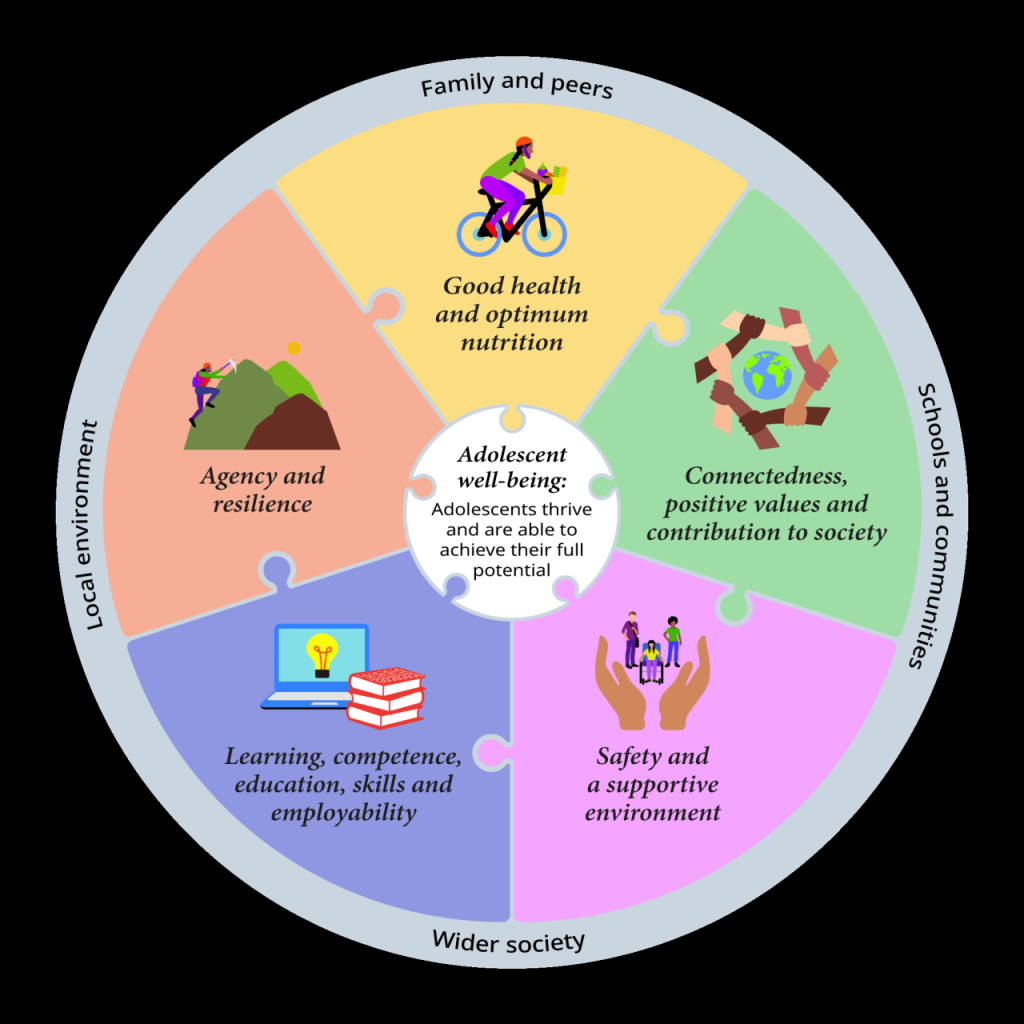
Healthy Snacks
Healthy snacks are essential for teenagers to maintain proper nutrition and energy levels throughout the day. By choosing nutritious options, teenagers can support their overall health and well-being. Here are some ideas for healthy snacks that are easy to prepare and delicious to eat.
Nutritious Snack Options:
- Fresh fruits like apples, bananas, and berries
- Vegetable sticks with hummus or Greek yogurt dip
- Nuts and seeds mix for a boost of protein and healthy fats
- Whole grain crackers with cheese or avocado slices
- Greek yogurt parfait with granola and honey
Importance of Healthy Snacks:
Eating healthy snacks helps teenagers maintain steady energy levels, improve concentration, and support proper growth and development. By choosing nutritious options, teenagers can fuel their bodies with essential nutrients and avoid the negative effects of consuming processed snacks high in sugar, salt, and unhealthy fats.
Creative Ideas for Healthy Snacks:
- Smoothie bowls topped with fresh fruits and nuts
- Baked sweet potato fries seasoned with herbs and spices
- Rice cakes with almond butter and sliced strawberries
- Homemade trail mix with dried fruits and dark chocolate chips
- Cucumber boats filled with tuna salad or chickpea mash
Benefits of Natural Alternatives:
Choosing natural alternatives over processed snacks can help teenagers reduce their intake of artificial ingredients, preservatives, and additives. Natural snacks are often lower in added sugars and unhealthy fats, making them a healthier choice for overall well-being.
Wellness Programs
Wellness programs for teenagers play a crucial role in promoting overall health and well-being. These programs are designed to educate, empower, and support young individuals in making positive lifestyle choices. By addressing various aspects of wellness such as physical activity, nutrition, mental health, and stress management, these programs aim to help teenagers develop healthy habits that they can carry into adulthood.
Components of an Effective Wellness Program
An effective wellness program for teenagers should include a combination of educational resources, interactive activities, and support systems. Some key components of a successful program may include:
- Health Education: Providing teenagers with accurate information about nutrition, exercise, mental health, and other wellness topics.
- Physical Activity: Encouraging regular exercise through sports, fitness classes, or recreational activities.
- Healthy Eating: Promoting nutritious food choices and teaching teenagers how to prepare healthy meals and snacks.
- Mental Health Support: Offering counseling services, stress management techniques, and mindfulness practices to help teenagers cope with emotional challenges.
- Social Support: Creating a supportive community where teenagers can connect with peers, mentors, and role models who prioritize wellness.
Types of Wellness Programs for Teenagers
There are various types of wellness programs tailored for teenagers, each with its unique approach and focus. Some common types include:
- School-Based Programs: Integrated into the school curriculum, these programs often include health classes, physical education, and wellness initiatives within the school environment.
- Community-Based Programs: Collaborations with local organizations, community centers, or healthcare providers to offer wellness activities, workshops, and resources outside of school settings.
- Online Programs: Virtual platforms that provide access to wellness resources, educational materials, and interactive tools for teenagers to engage with from anywhere.
- Peer-Led Programs: Initiatives that involve teenagers as leaders and advocates for wellness, empowering them to promote healthy behaviors among their peers.
Benefits of Wellness Programs for Teenagers
Wellness programs can promote overall health and well-being in teenagers by:
- Empowering them to make informed decisions about their health.
- Building healthy habits that can prevent chronic diseases later in life.
- Enhancing mental health and emotional resilience.
- Fostering social connections and a sense of belonging.
- Improving academic performance and overall quality of life.
Successful Wellness Programs Examples
Some successful wellness programs implemented in schools or communities include:
- The “Healthy Schools Program” by the Alliance for a Healthier Generation, focusing on nutrition, physical activity, and mental health in schools.
- The “Girls on the Run” program, promoting physical fitness, self-esteem, and positive body image for young girls.
- The “MindUP” curriculum, teaching mindfulness and emotional intelligence skills to help students manage stress and build resilience.
Physical Therapy
Physical therapy plays a crucial role in helping teenagers recover from injuries by providing specialized exercises and treatments to improve mobility, reduce pain, and restore function. It focuses on strengthening muscles, improving flexibility, and promoting overall healing.
Benefits for Teenagers with Chronic Conditions
- Physical therapy can help teenagers with chronic conditions manage their symptoms effectively and improve their quality of life.
- It provides tailored exercises and interventions to address specific needs, such as pain management, mobility issues, and functional limitations.
- Regular physical therapy sessions can enhance endurance, coordination, and balance, contributing to better overall health and well-being.
Improving Flexibility and Strength
- Through targeted exercises and stretches, physical therapy can significantly improve teenagers’ flexibility, allowing for a wider range of motion and reduced risk of injuries.
- Strength training under the guidance of a physical therapist helps teenagers build muscle mass, increase bone density, and enhance overall physical performance.
- By incorporating various techniques like manual therapy, therapeutic exercises, and modalities, physical therapy optimizes teenagers’ strength and flexibility levels.
Finding a Qualified Physical Therapist
- When looking for a physical therapist for teenagers, it is essential to seek professionals who specialize in pediatric or adolescent care.
- Ask for recommendations from healthcare providers, school counselors, or friends and family members who have experience with physical therapy services.
- Verify the credentials and certifications of the physical therapist, ensuring they have the necessary qualifications and expertise to work with teenagers.
Health Coaching
Health coaching involves providing guidance and support to individuals to help them make positive changes in their health and well-being. For teenagers, health coaching is especially relevant as it can empower them to develop healthy habits early on and navigate the challenges they may face during this transformative stage of life.
Responsibilities of a Health Coach
- Creating personalized health plans tailored to the individual needs and goals of teenagers.
- Offering support, encouragement, and motivation to help teenagers stay committed to their health goals.
- Providing education on nutrition, exercise, stress management, and other key health topics.
- Helping teenagers set realistic and achievable goals for improving their overall well-being.
- Monitoring progress and making adjustments to the health plan as needed.
Success Stories of Health Coaching Interventions
- A teenage client struggling with weight management successfully lost 20 pounds with the guidance and support of a health coach, leading to improved self-esteem and confidence.
- Another teenager dealing with stress and anxiety learned effective coping strategies through health coaching, resulting in better mental health and overall well-being.
- Teenagers with chronic health conditions, such as diabetes or asthma, have been able to better manage their conditions and lead healthier lives with the help of a health coach.
Impact of Health Coaching on Developing Healthy Habits
- Health coaching can instill a sense of accountability in teenagers, encouraging them to take ownership of their health and well-being.
- By providing guidance and support, health coaches can help teenagers overcome barriers to making healthy choices and develop sustainable habits for the long term.
- Teenagers who receive health coaching often report increased motivation, confidence, and resilience in adopting healthier lifestyles.
Medical Advancements
Recent years have seen incredible advancements in medical technology, particularly in the field of adolescent health care. These innovations are revolutionizing the way healthcare is delivered to teenagers, offering new possibilities for diagnosing and treating various health issues.
Technological Innovations in Healthcare
One of the most significant advancements in adolescent healthcare is the use of telemedicine. This technology allows teenagers to consult with healthcare providers remotely, making healthcare more accessible and convenient. Additionally, wearable health devices, such as fitness trackers and smartwatches, are helping teenagers monitor their health in real-time and make informed decisions about their well-being.
Benefits of Medical Advancements
These medical advancements bring numerous benefits to teenagers, including faster and more accurate diagnoses, personalized treatment plans, and improved communication with healthcare providers. With the help of technology, healthcare professionals can better track the progress of teenage patients and provide timely interventions when needed.
Staying Informed
To stay informed about the latest medical developments in adolescent health care, teenagers can follow reputable healthcare websites, subscribe to health-related newsletters, and participate in online forums or support groups. It is essential for teenagers to be proactive about their health and seek out reliable sources of information to make informed decisions about their well-being.
Fitness Goals
Setting fitness goals is essential for teenagers to maintain a healthy lifestyle and improve their overall well-being. By establishing realistic goals, teenagers can stay motivated and track their progress effectively.
Importance of Balanced Fitness Routine
A balanced fitness routine is crucial for teenagers as it helps in achieving overall health and wellness. Incorporating a mix of cardiovascular exercises, strength training, flexibility exercises, and rest days is key to maintaining a well-rounded fitness regimen. This balance ensures that all aspects of physical fitness are addressed, leading to improved endurance, strength, flexibility, and mental well-being.
Strategies for Staying Motivated
– Set specific and achievable goals: Break down larger fitness goals into smaller, manageable targets to stay motivated.
– Find a workout buddy: Exercising with a friend or family member can enhance motivation and accountability.
– Mix up the routine: Trying new activities or exercises can prevent boredom and maintain interest in fitness goals.
– Reward yourself: Celebrate achievements along the way to stay motivated and focused on progress.
Importance of Tracking Progress
Tracking progress is essential for teenagers to monitor their fitness milestones and make necessary adjustments to their routine. By keeping a workout journal, using fitness apps, or measuring key metrics like weight, body measurements, and workout duration, teenagers can see tangible results and stay motivated to reach their fitness goals.
Balanced Nutrition
Proper nutrition is crucial for teenagers as it plays a vital role in their overall health and well-being. A balanced diet provides the necessary nutrients for growth, development, and energy levels. It also helps in maintaining a healthy weight and reduces the risk of chronic diseases later in life.
Examples of a Well-Balanced Diet
- Vegetables: Include a variety of colorful vegetables in meals to ensure a range of vitamins and minerals.
- Fruits: Opt for whole fruits instead of juices to get the fiber content and natural sugars.
- Proteins: Incorporate lean sources like poultry, fish, tofu, beans, and nuts for muscle growth and repair.
- Whole grains: Choose whole grain bread, pasta, rice, and cereals for fiber and sustained energy.
- Dairy or alternatives: Include sources of calcium like milk, yogurt, or fortified plant-based options for bone health.
Impact of Proper Nutrition
Proper nutrition not only affects physical health but also mental well-being in teenagers. Nutrient-rich foods support brain function, mood regulation, and overall cognitive performance. It can also boost immune function, enhance energy levels, and improve focus and concentration.
Tips for Healthier Food Choices
- Avoid skipping meals, especially breakfast, as it sets the tone for the day and provides essential nutrients.
- Read food labels to make informed choices about ingredients, additives, and portion sizes.
- Limit sugary drinks and snacks, opting for water, herbal tea, or fresh fruit as healthier alternatives.
- Plan and prepare meals ahead of time to avoid relying on fast food or unhealthy convenience options.
- Listen to your body’s hunger and fullness cues to maintain a healthy relationship with food and prevent overeating.
Mental Strength
Building mental strength is crucial for teenagers as it helps them navigate the challenges of adolescence and develop resilience for the future. Mental strength contributes to overall well-being and success by enabling individuals to cope with stress, setbacks, and uncertainties effectively.
Strategies for Developing Mental Strength
- Practice mindfulness and relaxation techniques to manage stress and anxiety.
- Set realistic goals and work towards achieving them to boost self-confidence.
- Develop healthy coping mechanisms such as journaling, talking to a counselor, or engaging in creative activities.
- Regular exercise and physical activity can also improve mental resilience and well-being.
Activities to Enhance Mental Strength
- Engage in regular physical exercise to release endorphins and reduce feelings of stress.
- Participate in team sports or group activities to build social connections and support systems.
- Practice gratitude by keeping a daily journal of things you are thankful for to foster a positive mindset.
- Challenge negative thoughts and replace them with positive affirmations to build a resilient mindset.
Yoga Practice
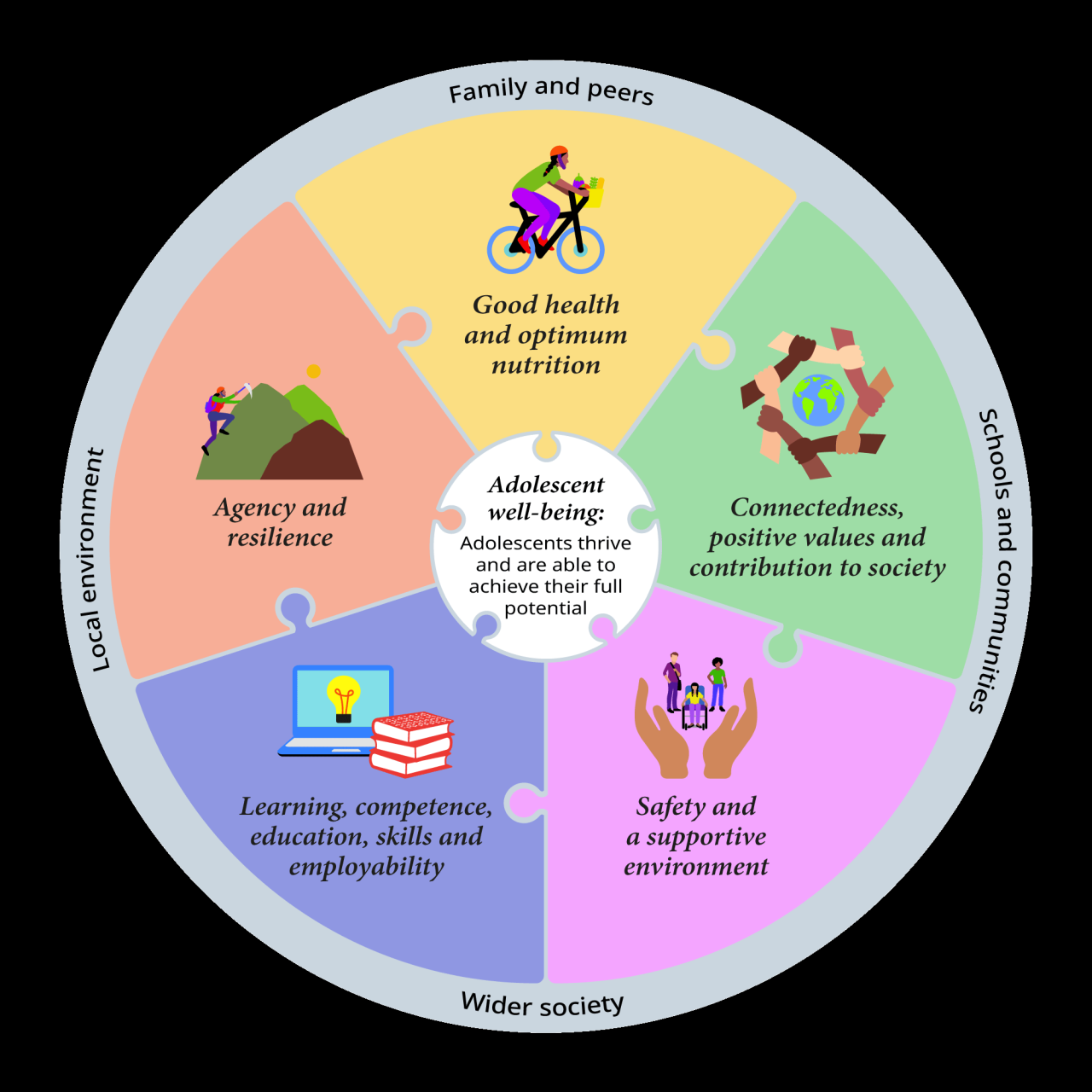
Incorporating yoga practice into a teenager’s routine can bring numerous benefits to their overall health and well-being.
Yoga is known to improve flexibility, reduce stress, and enhance mental clarity in teenagers. The various poses and breathing techniques involved in yoga help in stretching muscles, increasing range of motion, and promoting relaxation. This can be particularly helpful for teenagers who may be experiencing physical discomfort or mental stress due to school, relationships, or other factors.
Beginner-Friendly Yoga Poses for Teenagers
- Mountain Pose: Stand tall with feet hip-width apart, arms relaxed by your sides.
- Child’s Pose: Kneel on the floor, sitting back on your heels and stretching your arms in front of you.
- Warrior I: Step one foot back, bend the front knee, and extend arms overhead.
- Cobra Pose: Lie on your stomach, place hands under shoulders, and lift your chest off the ground.
Role of Yoga in Promoting Mindfulness and Emotional Balance
Yoga plays a significant role in promoting mindfulness and emotional balance in teenagers. By focusing on breath and movement during yoga practice, teenagers can learn to be present in the moment, manage their emotions, and cultivate a sense of inner peace. This can be especially beneficial for teenagers dealing with anxiety, depression, or other emotional challenges.
Health Education
Health education plays a crucial role in empowering teenagers to make informed decisions about their well-being. By providing them with accurate information and teaching essential skills, teenagers can better navigate various health-related challenges they may encounter.
Key Topics in Health Education Curriculum
- The importance of physical activity and exercise for overall health.
- Nutrition education to promote healthy eating habits and prevent chronic diseases.
- Mental health awareness and strategies for managing stress and emotions.
- Sexual health education, including information on contraception and sexually transmitted infections.
- Substance abuse prevention and the risks associated with drug and alcohol use.
Interactive and Engaging Programs
Interactive and engaging health education programs can resonate with teenagers by incorporating multimedia elements, interactive activities, and real-life scenarios. By making the content relatable and interactive, teenagers are more likely to stay engaged and retain the information being presented.
Examples of Effective Health Education Initiatives
- Peer-led workshops on mental health and stress management.
- Interactive nutrition classes that involve cooking demonstrations and taste-testing sessions.
- Online platforms with quizzes, videos, and forums for teenagers to learn and discuss health topics.
- School-wide campaigns promoting physical activity and healthy lifestyle choices.
Weight Management
Maintaining a healthy weight is essential for overall well-being, especially during the teenage years when the body is undergoing significant changes. It is crucial to adopt healthy habits that promote a balanced weight to prevent future health issues.
Healthy Eating Habits
- Focus on consuming a variety of nutrient-dense foods such as fruits, vegetables, whole grains, lean proteins, and healthy fats.
- Avoid skipping meals and opt for regular, balanced meals and snacks to keep energy levels stable.
- Stay hydrated by drinking plenty of water throughout the day to support metabolism and overall health.
- Avoid excessive consumption of sugary drinks, fast food, and processed snacks high in unhealthy fats and sugars.
Physical Activity
- Engage in regular physical activity such as sports, dancing, running, or even brisk walking to maintain a healthy weight.
- Strive to incorporate at least 60 minutes of moderate to vigorous exercise into your daily routine to support weight management.
- Find activities you enjoy to make exercise a fun and sustainable part of your lifestyle.
- Include strength training exercises to build muscle and boost metabolism for effective weight management.
Positive Body Image
- Focus on accepting and appreciating your body for its strength and capabilities rather than solely its appearance.
- Avoid comparing yourself to unrealistic standards portrayed in media and social platforms.
- Practice self-care activities that promote self-love and confidence in your body.
- Seek support from trusted individuals or professionals if struggling with body image issues.
Health Checkups
Regular health checkups are essential for teenagers to monitor their overall well-being and detect any potential health issues early on. These checkups allow healthcare providers to assess various aspects of a teenager’s health and provide appropriate guidance for maintaining a healthy lifestyle.
Key Screenings and Assessments
- Physical Examination: A general physical exam helps evaluate overall health, growth, and development.
- Blood Pressure Measurement: Monitoring blood pressure is crucial for detecting hypertension or other cardiovascular issues.
- Cholesterol Screening: Checking cholesterol levels helps assess the risk of heart disease.
- Vaccinations: Ensuring up-to-date vaccinations protects against preventable diseases.
- Mental Health Assessment: Screening for mental health concerns such as depression or anxiety is vital for early intervention.
Prevention through Early Detection
Regular health checkups can aid in the early detection of any health problems, allowing for timely intervention and prevention of potential complications. By identifying issues early on, teenagers can take proactive steps to maintain their health and well-being.
Scheduling and Preparation Tips
- Schedule annual checkups with a primary care provider or pediatrician.
- Prepare a list of questions or concerns to discuss during the appointment.
- Bring along any relevant medical records or information for reference.
- Be honest and open with healthcare providers about any symptoms or changes in health.
- Follow any pre-appointment instructions, such as fasting for blood tests, as advised.
Skin Health
Skin health is crucial for teenagers as they undergo hormonal changes that can lead to various skin issues. It’s important to address these concerns and take proper care of the skin to maintain its health and appearance.
Common Skin Issues and Management
- Acne: One of the most common skin issues faced by teenagers, acne can be managed with proper skincare routines, avoiding harsh products, and maintaining a healthy diet.
- Eczema: Teens with eczema should use gentle, fragrance-free products, moisturize regularly, and avoid triggers like harsh soaps and extreme temperatures.
- Hyperpigmentation: Dark spots or uneven skin tone can be managed with sunscreen, topical treatments, and professional skincare procedures.
Skincare Tips and Routines
- Cleanse your face twice a day with a gentle cleanser to remove dirt and oil.
- Moisturize daily to keep the skin hydrated and prevent dryness.
- Use sunscreen with at least SPF 30 every day to protect against UV damage.
- Avoid picking or popping pimples to prevent scarring and further inflammation.
Diet, Lifestyle, and Environmental Factors
- Eat a balanced diet rich in fruits, vegetables, lean proteins, and whole grains to support healthy skin.
- Stay hydrated by drinking plenty of water throughout the day to maintain skin hydration.
- Avoid smoking and limit alcohol consumption, as they can negatively impact skin health.
- Protect your skin from environmental factors like pollution and harsh weather conditions.
Sun Protection and Acne Management
- Apply sunscreen with SPF 30 or higher before going out in the sun to prevent sunburn and skin damage.
- Choose non-comedogenic skincare products to avoid clogging pores and worsening acne.
- Consult a dermatologist for personalized acne treatment options, such as topical creams, oral medications, or professional treatments.
Emotional Health
Emotional health is a crucial aspect of teenage development, impacting overall well-being and resilience. It involves understanding and managing emotions effectively, building positive relationships, and coping with challenges in a healthy manner.
Promoting Emotional Health
- Encouraging open communication: Creating a safe space for teenagers to express their feelings without judgment promotes emotional well-being.
- Building strong support systems: Surrounding teenagers with supportive friends, family members, or mentors can help them navigate emotional challenges.
- Teaching coping strategies: Providing tools like mindfulness techniques, journaling, or seeking professional help can empower teenagers to manage stress and emotions.
Role of Communication and Support Systems
- Effective communication: Encouraging healthy communication skills helps teenagers express their emotions and needs clearly.
- Support networks: Having reliable support systems in place, such as trusted adults or peer groups, can offer comfort and guidance during difficult times.
- Professional help: Accessing mental health resources like counseling or therapy can provide valuable support for teenagers facing emotional challenges.
Resources for Emotional Well-being
- Online mental health platforms: Websites and apps offer resources like guided meditations, self-help articles, and forums for peer support.
- Crisis hotlines: Providing access to helplines for immediate emotional support in times of crisis or distress.
- School counselors: Encouraging teenagers to seek guidance from school counselors for emotional support and resources.
Health Motivation
Maintaining a healthy lifestyle can be challenging for teenagers, but motivation plays a crucial role in staying on track. Without motivation, it can be easy to slip back into unhealthy habits or neglect self-care routines.
Techniques for Boosting Health Motivation
- Set clear and achievable goals: Establishing specific health goals can help teenagers stay focused and motivated. Whether it’s drinking more water, getting regular exercise, or improving mental well-being, having clear objectives can provide a sense of direction.
- Reward yourself: Celebrate small victories along the way to motivate yourself further. Rewards can be anything from treating yourself to a favorite snack or taking a break to relax and recharge.
- Find a support system: Surround yourself with friends, family, or mentors who encourage and motivate you to prioritize your health. Having a support system can make the journey more enjoyable and sustainable.
Inspiring Stories and Role Models
- Look up to athletes: Many young athletes serve as role models for leading healthy lifestyles through their dedication to fitness, nutrition, and mental well-being. Their stories can inspire teenagers to adopt similar habits.
- Celebrate success stories: Share stories of individuals who have overcome health challenges or achieved remarkable transformations through their commitment to wellness. These narratives can serve as powerful motivators for teenagers facing similar struggles.
- Community influencers: Follow social media influencers or bloggers who promote healthy living and share valuable tips and resources. Engaging with their content can provide ongoing motivation and inspiration.
Physical Activities
Regular physical activities offer numerous benefits for teenage health, including improved cardiovascular health, increased strength, better mood, and stress relief. Engaging in physical activities also helps maintain a healthy weight and reduces the risk of chronic diseases.
Variety of Physical Activities, Health education for teenagers
- Team sports like basketball, soccer, or volleyball
- Dance classes such as hip hop, ballet, or Zumba
- Outdoor activities like hiking, biking, or swimming
- Strength training with bodyweight exercises or light weights
Overcoming Barriers to Physical Activity
- Schedule physical activities with friends to make it more enjoyable
- Find activities that match your interests to stay motivated
- Start with small goals and gradually increase intensity to avoid burnout
Creating a Fun Exercise Routine
- Include a variety of activities to prevent boredom
- Set specific goals to track progress and stay motivated
- Try new activities to challenge yourself and discover new interests
Health Awareness
Raising awareness about health issues among teenagers is crucial for promoting overall well-being and preventing diseases. By educating teenagers about healthy habits and the importance of regular check-ups, we empower them to make informed decisions about their health.
Role of Education
- Educational programs in schools can teach teenagers about nutrition, exercise, mental health, and the risks of substance abuse.
- Health classes can provide valuable information on how to maintain a healthy lifestyle and recognize warning signs of potential health issues.
- Workshops and seminars can engage teenagers in interactive activities to promote health awareness and encourage healthy behaviors.
Advocacy and Community Engagement
- Advocacy groups can raise awareness about specific health issues affecting teenagers, such as vaping, bullying, or mental health stigma.
- Community events like health fairs, walks, or fundraisers can bring people together to support health initiatives and initiatives.
- Peer-to-peer support programs can create a sense of community and encourage teenagers to look out for each other’s well-being.
Campaigns and Initiatives
- The “Healthy Teen Challenge” campaign encouraged teenagers to set fitness goals, track their progress, and share their achievements on social media.
- The “Say No to Sugary Drinks” campaign raised awareness about the health risks of excessive sugar consumption and promoted healthier beverage choices.
Tips for Teenagers
- Stay informed by following reputable health websites, reading articles, and watching educational videos on health topics.
- Get involved in school health clubs, volunteer at health-related events, or participate in community health projects.
- Ask questions, seek advice from trusted adults or healthcare professionals, and prioritize your well-being by making healthy choices every day.
Preventive Medicine
Preventive medicine focuses on promoting health and preventing diseases before they occur. For teenagers, incorporating preventive healthcare practices is crucial for maintaining overall well-being and minimizing the risk of future health issues.
Benefits of Preventive Measures
- Regular vaccinations can protect teenagers from various infectious diseases, preventing outbreaks and ensuring a healthier community.
- Screenings for conditions such as high blood pressure, cholesterol levels, and mental health disorders can help in early detection and intervention, leading to better health outcomes.
- Developing healthy habits like regular exercise, balanced nutrition, and adequate sleep can strengthen the immune system and reduce the risk of chronic diseases later in life.
Incorporating Preventive Healthcare Practices
- Make sure to schedule regular check-ups with a healthcare provider to monitor overall health and address any concerns promptly.
- Stay up-to-date with recommended vaccinations and screenings based on your age and risk factors.
- Engage in physical activities and sports to maintain a healthy weight and promote cardiovascular health.
- Practice stress management techniques like mindfulness, yoga, or meditation to improve mental well-being and resilience.
Nutritional Counseling
Nutritional counseling plays a vital role in supporting teenage health by providing personalized guidance and education on proper nutrition. This type of counseling helps teenagers make informed choices about their diet and lifestyle to promote overall well-being.
Working with Nutritional Counselors
Nutritional counselors work with teenagers by assessing their current diet, lifestyle habits, and health goals. They then create personalized nutrition plans tailored to the individual’s needs and preferences. Counselors offer guidance on meal planning, portion control, food choices, and healthy eating habits to help teenagers achieve optimal health.
Potential Benefits of Personalized Guidance
– Improved overall health and well-being
– Better management of weight and energy levels
– Prevention of chronic diseases
– Enhanced athletic performance and recovery
– Improved focus and concentration
Finding a Qualified Nutritional Counselor
When looking for a nutritional counselor for teenagers, it is essential to consider their qualifications, experience, and approach to counseling. Here are some tips for finding a qualified professional:
- Check their credentials and certifications in nutrition or dietetics.
- Look for experience working with teenagers and addressing their specific nutritional needs.
- Consider their approach to counseling and whether it aligns with the teenager’s goals and preferences.
- Seek recommendations from healthcare providers, schools, or trusted sources.
- Schedule a consultation to discuss the counselor’s methods, fees, and availability.
Healthy Mind
In teenagers, a healthy mind plays a crucial role in overall well-being. It affects their decision-making, emotional regulation, and ability to handle stress effectively.
Strategies for Promoting Mental Wellness
Health education for teenagers – One effective strategy for promoting mental wellness in teenagers is encouraging open communication. Creating a safe space for them to express their thoughts and feelings can help reduce anxiety and improve mental health.
Additionally, engaging in regular physical activity has been shown to boost mood and cognitive function. Encouraging teenagers to participate in sports, yoga, or other forms of exercise can have a positive impact on their mental well-being.
Practicing mindfulness and relaxation techniques, such as deep breathing exercises or meditation, can also help teenagers manage stress and improve their overall mental health.
Impact of Sleep, Stress Management, and Social Relationships
Sleep plays a vital role in cognitive function and emotional regulation. Ensuring teenagers get an adequate amount of quality sleep each night is essential for maintaining a healthy mind.
Effective stress management techniques, such as time management, setting boundaries, and seeking support when needed, can help teenagers cope with daily stressors and prevent mental health issues.
Positive social relationships are also crucial for mental well-being. Encouraging teenagers to build strong connections with friends and family members can provide emotional support and reduce feelings of loneliness or isolation.
Resources and Activities for Maintaining a Healthy Mind
Resources such as mental health hotlines, online therapy platforms, and support groups can offer valuable assistance to teenagers struggling with mental health issues.
Engaging in creative activities like art, music, or journaling can also help teenagers express themselves and process their emotions in a healthy way.
Questions Often Asked: Health Education For Teenagers
How can parents encourage teenagers to choose healthy snacks over processed ones?
Parents can involve teenagers in meal planning and grocery shopping, educate them about the benefits of nutritious snacks, and set a good example by choosing healthy options themselves.
What are some effective ways to motivate teenagers to stay active and achieve their fitness goals?
Setting realistic and achievable goals, incorporating fun activities that they enjoy, and providing positive reinforcement can help teenagers stay motivated and committed to their fitness journey.
Why is mental strength important for teenagers, and how can it be developed?
Mental strength is crucial for resilience and well-being in teenagers. Developing coping skills, fostering a positive mindset, and seeking support from trusted individuals are key ways to enhance mental strength.



More Stories