Setting Fitness Goals for Toning Muscles
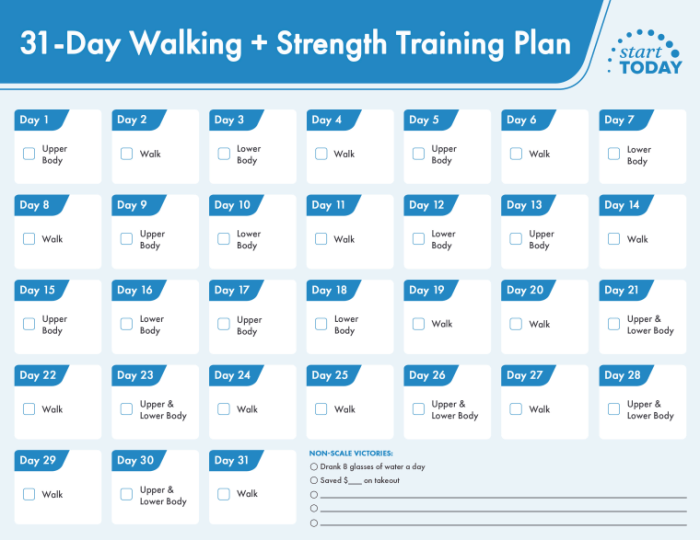
Setting specific and achievable fitness goals is crucial when it comes to toning muscles. It provides a roadmap for progress, keeps you motivated, and helps you track your success along the way.
Importance of Setting Specific and Achievable Fitness Goals:
- Specific goals help you focus on what you want to achieve, such as targeting certain muscle groups for toning.
- Achievable goals are realistic and within reach, preventing feelings of discouragement or failure.
- Setting clear goals provides a sense of direction and purpose to your workouts.
Examples of Effective Muscle-Toning Goals:
- Increase the number of push-ups you can do in one minute by 10% within the next month.
- Reduce body fat percentage by 2% in three months through a combination of strength training and cardio exercises.
- Increase the weight lifted during squats by 20 pounds within six weeks.
Creating a Timeline for Reaching These Goals:
- Break down your long-term goal into smaller, manageable milestones to track progress.
- Set specific deadlines for each milestone to keep yourself accountable and on track.
- Regularly reassess your goals and adjust the timeline if necessary based on your progress and any challenges you encounter.
Nutrition for Muscle Toning
Proper nutrition plays a crucial role in achieving muscle-toning goals. Along with regular exercise, a balanced diet can help support muscle growth and development.
Role of Balanced Nutrition
Eating a well-rounded diet that includes a mix of protein, carbohydrates, healthy fats, vitamins, and minerals is essential for muscle toning. These nutrients provide the building blocks necessary for muscle repair, growth, and recovery.
- Protein-rich foods such as lean meats, poultry, fish, eggs, dairy, legumes, and tofu are vital for muscle development. Protein contains amino acids, which are the building blocks of muscle tissue.
- Carbohydrates are important for providing energy during workouts and replenishing glycogen stores in muscles. Opt for complex carbs like whole grains, fruits, and vegetables.
- Healthy fats from sources like nuts, seeds, avocados, and olive oil can aid in hormone production and overall health, supporting muscle toning.
- Vitamins and minerals, such as vitamin D, calcium, magnesium, and potassium, play various roles in muscle function and recovery.
Significance of Protein Intake
Protein intake is particularly crucial for muscle development and toning. Consuming an adequate amount of protein helps repair and build muscle tissue after exercise. Aim to include protein in every meal and snack to support muscle growth.
Remember, it’s not just about the quantity of protein but also the quality. Choose lean sources of protein to minimize saturated fat intake.
Effective Physical Activities

Regular physical activities play a crucial role in toning muscles and achieving fitness goals. Incorporating a variety of exercises into your workout routine can help target different muscle groups and improve overall strength and endurance.
Types of Exercises for Muscle Toning
- Strength Training: Weight lifting, resistance band exercises, and bodyweight exercises like push-ups and squats help build muscle mass and increase strength.
- Cardiovascular Exercises: Running, cycling, swimming, or high-intensity interval training (HIIT) can help burn fat and improve cardiovascular health, which complements muscle toning.
- Pilates and Yoga: These low-impact exercises focus on flexibility, core strength, and muscle endurance, making them great additions to a muscle-toning workout plan.
- Functional Training: Incorporating movements that mimic daily activities can improve overall functional strength and help tone muscles effectively.
Importance of Strength Training
Strength training is essential for muscle toning as it helps increase muscle mass, boost metabolism, and enhance overall body composition. By challenging your muscles with resistance, you stimulate muscle growth and improve muscle definition. Incorporating strength training exercises at least 2-3 times a week can significantly contribute to your muscle-toning goals.
Tips for Structuring a Workout Plan
- Set Clear Goals: Define specific muscle groups you want to target and tailor your workout plan accordingly.
- Vary Your Routine: Include a mix of strength training, cardiovascular exercises, and flexibility workouts to prevent plateaus and keep your muscles engaged.
- Progressive Overload: Gradually increase the intensity, duration, or resistance of your exercises to continually challenge your muscles and promote growth.
- Rest and Recovery: Allow adequate rest between workout sessions to give your muscles time to repair and grow stronger.
- Consult a Fitness Professional: Consider seeking guidance from a certified personal trainer to create a personalized workout plan that aligns with your muscle-toning goals.
Mental Strength and Motivation
Maintaining mental strength is crucial for staying consistent with fitness goals. It helps individuals push through challenging workouts and overcome mental barriers that may hinder progress. Motivation plays a key role in keeping individuals focused and dedicated to their muscle-toning objectives.
Strategies for Boosting Motivation
- Set specific and achievable goals: Break down long-term goals into smaller, manageable milestones to stay motivated.
- Reward yourself: Celebrate progress with non-food rewards to reinforce positive behavior.
- Find a workout buddy: Having a partner can provide accountability and motivation during workouts.
- Switch up your routine: Keep workouts interesting by trying new exercises or activities to prevent boredom.
Techniques for Overcoming Mental Barriers
- Practice positive self-talk: Replace negative thoughts with affirmations to boost confidence and motivation.
- Visualize success: Imagine achieving your muscle-toning goals to stay motivated and focused on the end result.
- Establish a routine: Create a consistent workout schedule to build discipline and make exercise a habit.
- Seek support: Join fitness communities or engage with like-minded individuals to stay motivated and inspired.
Wellness Programs and Health Coaching
Wellness programs play a crucial role in supporting individuals on their muscle-toning journey by providing a holistic approach to fitness. These programs typically encompass various aspects of health, including nutrition, physical activity, mental well-being, and lifestyle habits.
Benefits of Wellness Programs
- Customized workout plans tailored to individual goals and fitness levels.
- Access to a variety of exercise classes and training sessions to keep workouts engaging.
- Guidance on proper form and technique to maximize muscle toning results and prevent injuries.
- Educational resources on nutrition and healthy eating habits to support muscle growth.
Health Coaching for Personalized Guidance
Health coaches provide personalized guidance and support to individuals embarking on their muscle-toning journey. These professionals work closely with clients to set specific goals, create actionable plans, and provide motivation throughout the process.
- Regular check-ins and progress evaluations to track muscle toning results and make necessary adjustments to the fitness plan.
- Emotional support and encouragement to help individuals overcome obstacles and stay committed to their goals.
- Educational resources on lifestyle changes and habits to support long-term muscle toning and overall well-being.
Success Stories of Muscle-Toning Results
“Through consistent participation in wellness programs and guidance from a health coach, individuals have achieved remarkable muscle-toning results. Many have reported increased strength, improved muscle definition, and overall enhanced well-being.”
Yoga Practice for Muscle Toning
Yoga is a fantastic addition to any fitness routine, especially when it comes to toning muscles. It can complement traditional strength training by focusing on flexibility, balance, and endurance, which are essential for overall muscle health.
Yoga Poses Targeting Specific Muscle Groups, Fitness goals for toning muscles
- Warrior I and II: These poses target the quadriceps, hamstrings, and glutes, helping to strengthen and tone the lower body.
- Plank Pose: This pose engages the core muscles, including the abdominals, obliques, and lower back, for a stronger and more toned midsection.
- Downward Facing Dog: This pose stretches and strengthens the shoulders, arms, and upper back, promoting muscle tone in the upper body.
Benefits of Including Yoga in a Fitness Routine
- Improves Flexibility: Yoga helps increase flexibility in muscles and joints, reducing the risk of injury during strength training sessions.
- Enhances Mind-Body Connection: Practicing yoga can improve focus, concentration, and mental clarity, which are beneficial for overall well-being and performance in workouts.
- Reduces Stress: Yoga incorporates breathing exercises and relaxation techniques that can lower stress levels, promoting better recovery and muscle growth.
Physical Therapy for Muscle Recovery
Fitness goals for toning muscles – Physical therapy plays a crucial role in ensuring muscle recovery and preventing injuries during muscle-toning workouts. It focuses on rehabilitation and strengthening exercises to help individuals recover from muscle strains or injuries effectively.
Benefits of Physical Therapy for Muscle Recovery
- Physical therapy can help in identifying muscle imbalances and weaknesses that may lead to injuries during workouts.
- It provides personalized treatment plans to address specific muscle issues and promote proper recovery.
- Through targeted exercises and techniques, physical therapy can improve muscle flexibility, strength, and overall function.
- Physical therapists also offer guidance on proper form and technique during exercises to prevent future injuries.
Incorporating Physical Therapy into a Fitness Regimen
- Consider incorporating physical therapy if you have a history of muscle injuries or chronic pain that affects your workouts.
- If you experience persistent muscle soreness or tightness after workouts, physical therapy can help in addressing these issues.
- Consult a physical therapist to create a customized plan that complements your fitness goals and enhances muscle recovery.
- Regular physical therapy sessions can also boost overall performance and prevent setbacks in your muscle-toning journey.
Health Education and Awareness
Health education plays a crucial role in helping individuals understand the importance of muscle toning and overall fitness. By staying informed about the latest trends and research in muscle toning, individuals can make more informed decisions about their fitness goals and routines. Increasing health awareness is key to achieving better fitness outcomes and maintaining a healthy lifestyle.
Importance of Health Education in Fitness
Health education provides individuals with the knowledge and tools they need to make informed decisions about their fitness goals. Understanding the principles of muscle toning, proper nutrition, and effective physical activities can help individuals achieve their desired results more efficiently.
Resources for Staying Informed
- Subscribe to reputable fitness magazines or websites for the latest information on muscle toning techniques and trends.
- Follow certified fitness professionals and experts on social media platforms for valuable insights and tips.
- Attend fitness workshops, seminars, or webinars to stay up-to-date on the latest research and developments in muscle toning.
Tips for Increasing Health Awareness
- Set specific fitness goals and track your progress regularly to stay motivated and focused.
- Consult with a certified fitness trainer or health coach to receive personalized guidance and support.
- Join fitness communities or online forums to connect with like-minded individuals and share experiences and tips.
Essential FAQs
What role does mental strength play in achieving muscle-toning goals?
Mental strength is crucial for staying consistent with your fitness goals, especially during challenging workouts. It helps you push through barriers and stay motivated throughout your muscle-toning journey.
How can physical therapy aid in muscle recovery for toning muscles?
Physical therapy can help prevent injuries during muscle-toning workouts and facilitate faster recovery and rehabilitation. It is beneficial for maintaining muscle health and overall fitness.

More Stories