Best Physical Therapy Exercises for Back Pain
Best physical therapy exercises for back pain – Physical therapy plays a crucial role in alleviating back pain by focusing on strengthening the muscles that support the spine, improving flexibility, and promoting proper posture.
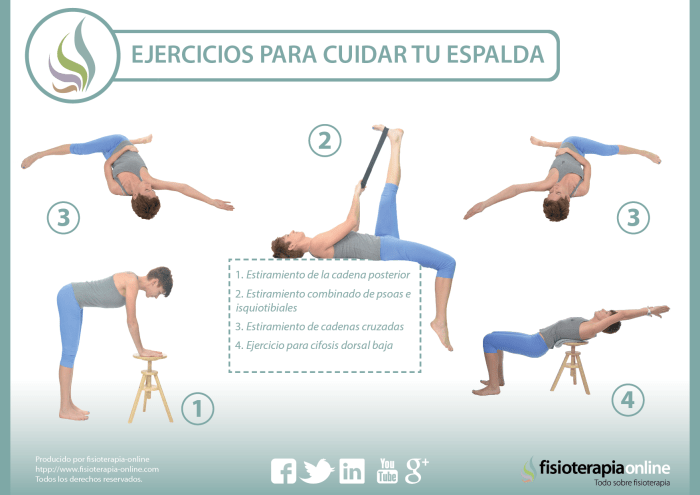
Low-Impact Exercises for Back Pain:
Engaging in low-impact exercises can help reduce back pain while avoiding further strain on the muscles. Some beneficial exercises include:
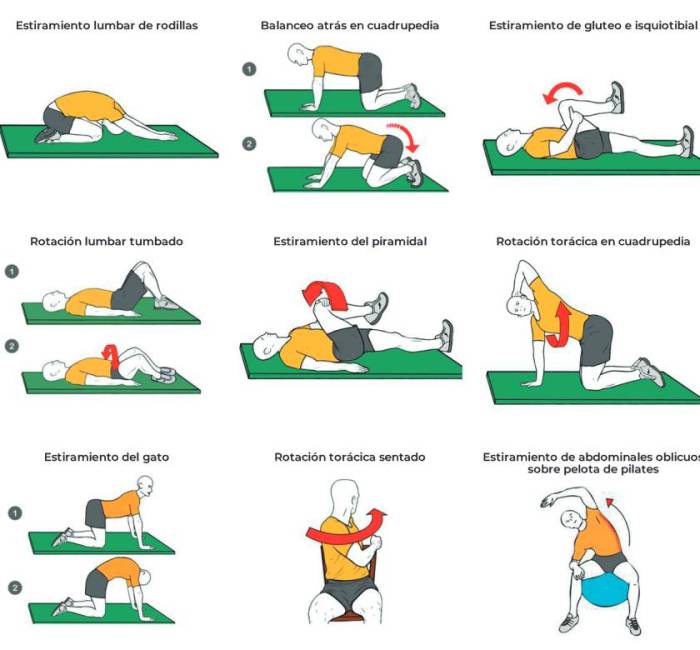
- Gentle stretching exercises to improve flexibility and reduce stiffness.
- Core strengthening exercises to stabilize the spine and improve posture.
- Aquatic therapy, such as swimming or water aerobics, to provide resistance without impacting the joints.
- Yoga or Pilates to promote relaxation, improve posture, and strengthen the core muscles.
Importance of Proper Form and Technique:
It is essential to maintain proper form and technique during exercises to prevent injury and maximize the benefits. Incorrect form can lead to added strain on the back muscles, exacerbating pain instead of relieving it.
Improving Flexibility and Strength:
Physical therapy can help improve flexibility and strength in the back muscles, reducing the risk of future injuries and enhancing overall spinal health. Regular sessions with a physical therapist can target specific areas of weakness and create a tailored exercise plan to address individual needs.
Healthy Snacks
When it comes to maintaining a balanced diet, healthy snacks play a crucial role in providing essential nutrients and preventing overeating during meals. By choosing nutritious options, you can support your overall health and well-being.
Examples of Nutritious Snacks
- Fresh fruits such as apples, berries, and bananas
- Vegetable sticks with hummus or guacamole
- Greek yogurt with nuts and seeds
- Whole grain crackers with cheese
- Homemade trail mix with dried fruits and nuts
Importance of Portion Control
While snacking can be beneficial, it’s essential to practice portion control to avoid consuming excess calories. Be mindful of serving sizes and avoid mindlessly munching on snacks throughout the day.
Incorporating Healthy Snacks into a Balanced Diet
Integrating healthy snacks into your daily meals can help you maintain energy levels and prevent unhealthy cravings. Be sure to include a variety of food groups to ensure you’re getting a range of nutrients.
Tips for Choosing Nutrient-Dense Snacks
- Opt for snacks that are high in protein and fiber to keep you feeling full longer.
- Avoid snacks that are high in added sugars and unhealthy fats.
- Choose whole foods over processed snacks whenever possible.
- Plan and prepare your snacks ahead of time to avoid reaching for less healthy options.
Wellness Programs
Wellness programs are comprehensive initiatives implemented by organizations to promote the overall well-being of their employees. These programs typically include a variety of activities and resources aimed at improving physical, mental, and emotional health.
Components of a Comprehensive Wellness Program
A comprehensive wellness program usually consists of the following components:
- Health screenings and assessments to identify potential health risks.
- Physical fitness activities such as yoga classes, group workouts, or walking clubs.
- Nutritional guidance and healthy eating initiatives.
- Mental health resources like counseling services or stress management workshops.
- Financial wellness education to help employees manage their finances effectively.
How Wellness Programs Improve Morale and Productivity
Wellness programs can have a positive impact on employee morale and productivity by:
- Reducing absenteeism and presenteeism.
- Boosting employee engagement and job satisfaction.
- Improving overall physical and mental health, leading to fewer health-related issues.
- Fostering a sense of community and teamwork among employees.
Examples of Wellness Activities
Some examples of wellness activities that can be included in a program are:
- Weekly fitness challenges or competitions.
- Nutrition workshops or cooking classes.
- Mindfulness and meditation sessions.
- Team-building activities and social events.
Tips for Implementing a Successful Wellness Program
Organizations looking to implement a successful wellness program can follow these tips:
- Get leadership buy-in and support for the program.
- Survey employees to understand their wellness needs and interests.
- Offer a variety of activities to cater to different preferences and fitness levels.
- Provide incentives or rewards to motivate participation.
Health Coaching
Health coaching plays a crucial role in guiding individuals towards better health by providing personalized support, motivation, and accountability. Health coaches work with clients to set specific health goals and develop actionable plans to achieve them.
Benefits of Working with a Health Coach
- Personalized Guidance: Health coaches tailor their advice to meet the unique needs and preferences of each client, ensuring a more effective and sustainable approach to health improvement.
- Accountability and Support: By regularly checking in with clients and providing encouragement, health coaches help individuals stay motivated and focused on their health goals.
- Behavior Change Strategies: Health coaches use evidence-based strategies to help clients adopt healthier habits and overcome obstacles that may hinder progress.
- Long-term Results: Working with a health coach can lead to lasting lifestyle changes that support overall health and well-being, promoting better quality of life in the long run.
Strategies Used by Health Coaches
- Setting SMART Goals: Health coaches help clients establish Specific, Measurable, Achievable, Relevant, and Time-bound goals to ensure clarity and success in their health journey.
- Building Self-Efficacy: Health coaches empower clients to believe in their ability to make positive changes and take control of their health.
- Creating Action Plans: Health coaches assist clients in developing step-by-step plans to implement healthy behaviors and track progress towards their goals.
- Providing Education and Resources: Health coaches offer valuable information, tools, and resources to help clients make informed decisions and navigate their health journey effectively.
Examples of Health Coaching Success
Through health coaching, individuals have been able to achieve significant weight loss, improve chronic conditions, adopt healthier eating habits, increase physical activity, reduce stress levels, and enhance overall well-being. These success stories demonstrate the transformative impact of health coaching on people’s lives.
Medical Advancements
Recent advancements in medical technology have revolutionized the way back pain is treated, offering innovative solutions that are changing the landscape of back pain management. These new medical treatments provide hope for those suffering from chronic back pain and offer promising alternatives to traditional therapies.
Minimally Invasive Procedures
Minimally invasive procedures, such as epidural steroid injections and radiofrequency ablation, have gained popularity in treating back pain. These procedures involve smaller incisions, less tissue damage, and faster recovery times compared to traditional surgeries. They target specific areas of pain, providing relief with minimal side effects.
Regenerative Medicine
Regenerative medicine, including stem cell therapy and platelet-rich plasma injections, is a cutting-edge approach to treating back pain. These treatments harness the body’s natural healing abilities to repair damaged tissues and reduce inflammation. By promoting tissue regeneration, regenerative medicine offers long-term relief for back pain sufferers.
Spinal Cord Stimulation
Spinal cord stimulation is a promising therapy for chronic back pain that does not respond to other treatments. This innovative procedure involves implanting a device near the spinal cord that delivers electrical impulses to block pain signals. By interrupting pain pathways, spinal cord stimulation can provide significant relief for patients with persistent back pain.
Robotic-Assisted Surgery
Robotic-assisted surgery is a technological advancement that enhances the precision and accuracy of surgical procedures for back pain. By using robotic systems to guide surgeons during operations, this approach reduces the risk of complications and improves surgical outcomes. Patients benefit from smaller incisions, faster recovery times, and better long-term results.
Fitness Goals
Setting fitness goals is crucial for making progress and staying motivated on your journey to better health. By establishing realistic and achievable goals, you can track your progress and stay focused on improving your overall well-being, especially when dealing with back pain.
Creating a Personalized Fitness Plan
- Consult with a physical therapist or fitness professional to create a plan tailored to your specific needs and limitations due to back pain.
- Incorporate a mix of cardiovascular exercises, strength training, and flexibility exercises to improve back health and reduce pain.
- Start slowly and gradually increase the intensity and duration of your workouts to avoid exacerbating your back pain.
Tracking Progress Towards Fitness Goals
- Keep a workout journal or use a fitness tracking app to monitor your exercises, sets, reps, and progress over time.
- Set small milestones along the way to your ultimate fitness goal to celebrate achievements and stay motivated.
- Regularly assess your back pain levels and adjust your fitness plan accordingly to prevent any setbacks.
Contributions to Overall Well-being and Back Health
- By achieving your fitness goals, you can improve your strength, endurance, and flexibility, which are essential for supporting a healthy back.
- Regular exercise can help reduce stress, improve mood, and boost energy levels, contributing to overall well-being and quality of life.
- Maintaining a consistent fitness routine can prevent future back pain episodes and promote long-term back health.
Balanced Nutrition
Having a balanced nutrition is crucial in supporting back health. A healthy diet can help reduce inflammation and alleviate pain in the back, providing the necessary nutrients for optimal function.
Role of Diet in Inflammation and Pain
What we eat can directly impact inflammation levels in the body, which can contribute to back pain. Foods high in sugar, trans fats, and processed ingredients can increase inflammation, while a diet rich in antioxidants, omega-3 fatty acids, and vitamins can help reduce it.
Nutrient-Rich Foods for Back Pain
- Leafy greens like spinach and kale, which are packed with vitamins and minerals that support overall health and reduce inflammation.
- Fatty fish such as salmon and mackerel, which are high in omega-3 fatty acids known for their anti-inflammatory properties.
- Nuts and seeds like almonds and flaxseeds, which provide essential nutrients like magnesium and fiber to support back health.
- Berries like blueberries and strawberries, rich in antioxidants that can help reduce oxidative stress and inflammation in the body.
Tips for Maintaining a Balanced Diet
- Include a variety of colorful fruits and vegetables in your meals to ensure you’re getting a wide range of nutrients.
- Avoid processed and sugary foods that can contribute to inflammation and pain in the back.
- Stay hydrated by drinking plenty of water throughout the day to support overall health and keep your body functioning optimally.
- Consult with a registered dietitian or nutritionist for personalized recommendations on how to maintain a balanced diet that supports your back health.
Mental Strength
When it comes to back pain, mental strength plays a crucial role in managing and coping with the condition. The connection between mental health and back pain is significant, as stress, anxiety, and depression can exacerbate pain levels and hinder recovery.
Building Mental Resilience
Building mental resilience is essential for individuals dealing with chronic back pain. Here are some strategies to help improve mental strength:
- Practice mindfulness techniques such as meditation and deep breathing exercises to reduce stress and promote relaxation.
- Engage in regular physical activity to release endorphins, which can help alleviate pain and improve mood.
- Seek support from friends, family, or a therapist to talk about your feelings and challenges related to back pain.
Mindfulness and Stress Management
Mindfulness and stress management techniques can be beneficial in alleviating back pain by reducing tension and promoting a sense of calm. Some practices to consider include:
- Yoga or tai chi to improve flexibility, strength, and relaxation.
- Progressive muscle relaxation to release tension and promote relaxation throughout the body.
- Guided imagery or visualization exercises to distract from pain and focus on positive thoughts.
Mental Exercises for Emotional Well-Being
Engaging in mental exercises can promote emotional well-being in individuals with back pain. Here are some examples of exercises to try:
- Journaling to express thoughts and emotions related to back pain.
- Practicing gratitude by focusing on things you are thankful for each day.
- Positive affirmations to challenge negative beliefs and promote self-compassion.
Yoga Practice: Best Physical Therapy Exercises For Back Pain
Yoga is a popular form of exercise that combines physical poses, breathing techniques, and meditation. It can be highly beneficial for individuals with back pain as it helps improve flexibility, strength, and posture. Here are some specific ways yoga can benefit those dealing with back pain:
Specific Yoga Poses for Strengthening the Back
- Child’s Pose: This gentle stretch can help release tension in the back and stretch the spine.
- Cat-Cow Pose: This dynamic movement helps to improve flexibility and mobility in the spine.
- Downward Facing Dog: This pose strengthens the back muscles and can help alleviate back pain.
- Bridge Pose: By engaging the back muscles, this pose can help strengthen the spine and alleviate discomfort.
Tips for Practicing Yoga Safely
- Listen to your body and avoid any poses that cause pain or discomfort.
- Modify poses as needed to accommodate your level of flexibility and strength.
- Focus on proper alignment and technique to prevent strain on the back.
- Consult with a yoga instructor or physical therapist for guidance on safe yoga practices.
Regular Yoga Practice for Improved Flexibility and Posture
- Consistent yoga practice can help improve flexibility in the muscles surrounding the spine, reducing stiffness and discomfort.
- Yoga can also promote better posture by strengthening the core muscles, which support the spine and help maintain proper alignment.
- By incorporating yoga into your routine, you can gradually build strength and flexibility, leading to long-term relief from back pain.
Health Education
Health education plays a crucial role in raising awareness about back pain prevention and management. By educating individuals about the causes, symptoms, and treatment options for back pain, we empower them to take control of their back health and make informed decisions.
Importance of Health Education in Back Pain
- Health education helps individuals understand the importance of maintaining a healthy spine through proper posture, exercise, and lifestyle choices.
- It enables early detection of back issues and encourages prompt action to prevent further complications.
- By educating people about the available treatment options, we empower them to seek appropriate care and support for their back pain.
Resources for Learning about Back Pain, Best physical therapy exercises for back pain
- Online platforms and websites dedicated to back health provide valuable information on exercises, stretches, and self-care techniques.
- Books and publications by healthcare professionals offer insights into the causes of back pain and strategies for prevention.
- Attending seminars, workshops, or webinars on back pain management can enhance knowledge and awareness in the community.
Promoting Health Education in Communities
- Organize health fairs or events focused on back health to engage the community and provide resources for prevention and treatment.
- Collaborate with local healthcare providers to offer educational sessions on back pain prevention and management in schools, workplaces, and community centers.
- Utilize social media platforms to share informative content, tips, and resources on back health with a wider audience.
Weight Management
Maintaining a healthy weight is crucial for managing back pain effectively. Excess weight puts additional strain on the spine, leading to increased pressure on the muscles and nerves in the back, which can result in pain and discomfort. Here are some strategies for achieving and maintaining a healthy weight to alleviate back pain:
Healthy Eating Habits
- Focus on a balanced diet rich in fruits, vegetables, whole grains, and lean proteins.
- Avoid processed foods high in sugar, salt, and unhealthy fats.
- Stay hydrated by drinking plenty of water throughout the day.
- Aim for portion control and mindful eating to prevent overeating.
- Consult with a nutritionist or dietitian to create a personalized meal plan that supports weight management.
Regular Exercise Routine
- Incorporate a mix of cardiovascular exercises, strength training, and flexibility exercises into your weekly routine.
- Choose activities that you enjoy to stay motivated and consistent with your workouts.
- Start with low-impact exercises like walking or swimming and gradually increase intensity as you build strength and endurance.
- Work with a personal trainer or physical therapist to develop a safe and effective exercise plan tailored to your fitness level and back pain condition.
Weight Management Programs
- Join a weight management program that offers guidance, support, and accountability to help you reach your goals.
- Consider programs that focus on behavior modification, nutrition education, and lifestyle changes to promote long-term success.
- Look for programs that have a multidisciplinary approach, involving healthcare professionals like doctors, nutritionists, and fitness trainers to address both weight management and back pain simultaneously.
- Explore options like group classes, online programs, or one-on-one coaching to find the best fit for your needs and preferences.
Health Checkups
Regular health checkups are crucial for monitoring back health and overall well-being. These routine screenings play a vital role in detecting back problems early, allowing for timely intervention and treatment. During a back health checkup, you can expect a thorough physical examination, which may include assessing your range of motion, muscle strength, and spine alignment. Additionally, your healthcare provider may recommend diagnostic tests such as X-rays or MRI scans to further evaluate your back health.
Importance of Regular Health Checkups
- Regular health checkups help in early detection of back problems, preventing them from worsening over time.
- Monitoring your back health can help identify risk factors and lifestyle habits that may be contributing to your back pain.
- Early intervention through routine screenings can lead to more effective treatment options and better outcomes.
What to Expect During a Back Health Checkup
- Your healthcare provider will conduct a physical exam to assess your back health, including evaluating your posture and spinal alignment.
- You may be asked about your medical history, symptoms, and any previous injuries or surgeries related to your back.
- Diagnostic tests such as X-rays or MRI scans may be recommended to provide a more detailed assessment of your back health.
Tips for Scheduling and Preparing for a Back Health Checkup
- Make sure to schedule your back health checkup at a convenient time where you can fully discuss your concerns with your healthcare provider.
- Come prepared with any relevant medical records, including past imaging studies or reports related to your back health.
- Be honest and open about your symptoms, lifestyle habits, and any activities that may be affecting your back health.
Skin Health
Skin health plays a crucial role in overall well-being, including back health. The skin is the body’s largest organ and serves as a protective barrier against external elements. Maintaining healthy skin is essential for supporting overall health and wellness, especially for individuals dealing with back pain.
Common Skin Conditions Impacting Individuals with Back Pain
- Psoriasis: A chronic skin condition characterized by red, scaly patches that can be triggered or worsened by stress, which may exacerbate back pain.
- Eczema: An inflammatory skin condition that can cause itching, redness, and inflammation, leading to discomfort and potential complications for individuals with back pain.
- Acne: Breakouts on the back can be painful and may be aggravated by certain medications used to manage back pain.
Tips for Maintaining Healthy Skin to Support Overall Health
- Stay Hydrated: Drink plenty of water to keep the skin hydrated and promote elasticity.
- Eat a Balanced Diet: Include foods rich in antioxidants, vitamins, and minerals to support skin health.
- Protect Your Skin: Use sunscreen, wear protective clothing, and avoid prolonged sun exposure to prevent skin damage.
Skincare Routines and Products for Individuals with Back Pain
- Use Gentle Cleansers: Opt for mild, fragrance-free cleansers to avoid irritation on sensitive skin.
- Moisturize Regularly: Apply moisturizer to keep the skin hydrated and prevent dryness, especially in areas prone to back pain.
- Consider Topical Treatments: Utilize creams or ointments recommended by dermatologists to address specific skin concerns while managing back pain.
Emotional Health
Living with chronic back pain can have a significant emotional impact on individuals. The constant discomfort, limitations in daily activities, and the frustration of not being able to engage in activities they once enjoyed can lead to feelings of anxiety, depression, and isolation.
Coping Strategies for Emotional Challenges
- Practice mindfulness and relaxation techniques such as deep breathing exercises or meditation to help manage stress and anxiety.
- Engage in activities that bring joy and provide a sense of accomplishment, even if they need to be modified to accommodate back pain.
- Seek support from friends, family, or a mental health professional to talk about your feelings and emotions surrounding your back pain.
- Join a support group for individuals with chronic pain to connect with others who understand what you are going through.
Importance of Seeking Support
It is crucial to seek support for emotional well-being when dealing with back pain as it can impact your overall quality of life. Addressing the emotional challenges associated with chronic pain can help improve your mental health and ability to cope with the physical symptoms.
Therapies for Emotional Healing
- Consider cognitive-behavioral therapy (CBT) to help change negative thought patterns and develop coping strategies for managing pain.
- Practice yoga or tai chi to promote relaxation, reduce stress, and improve emotional well-being.
- Explore mindfulness-based stress reduction (MBSR) programs to learn how to focus on the present moment and cultivate a sense of calm.
Health Motivation
Maintaining a healthy lifestyle, especially when dealing with back pain, requires a strong sense of motivation. It can be challenging to stay on track with exercise and healthy choices, but having the right mindset is crucial for overall well-being.
Positive reinforcement and self-motivation play a significant role in achieving health goals, including managing back pain. By focusing on the benefits of a healthy lifestyle and reminding yourself of the positive outcomes, you can stay motivated even when faced with obstacles.
Strategies for Staying Motivated
- Set realistic and achievable goals: Break down your health goals into short-term and long-term objectives to track your progress and stay motivated.
- Find activities you enjoy: Engaging in physical activities that you find enjoyable can make exercising more appealing and help you stay committed.
- Stay connected with a support system: Surround yourself with people who encourage and motivate you to maintain a healthy lifestyle, especially when dealing with back pain.
- Reward yourself: Celebrate your milestones and achievements along the way to keep yourself motivated and focused on your health journey.
Benefits of Setting Goals
- Provides a sense of direction: Setting goals helps you stay focused on what you want to achieve, making it easier to overcome challenges.
- Boosts confidence: Accomplishing short-term goals can boost your confidence and motivation to continue working towards long-term objectives.
- Increases accountability: Having clear goals in place holds you accountable for your actions and encourages consistency in maintaining a healthy lifestyle.
Physical Activities
Regular physical activity plays a crucial role in maintaining back health. By incorporating low-impact exercises and activities into your routine, you can support your back and prevent pain. Here are some tips for staying active while managing back pain effectively:
Importance of Regular Physical Activity
Regular physical activity helps strengthen the muscles that support the spine, improving overall back health. It also helps increase flexibility, reduce stiffness, and promote better posture, all of which are essential for preventing back pain.
- Walking: A low-impact exercise that can be easily incorporated into your daily routine.
- Swimming: A great way to strengthen muscles without putting too much strain on the back.
- Cycling: Provides a cardiovascular workout while being gentle on the back.
Preventing Back Pain through Physical Activities
Incorporating physical activities like yoga, Pilates, or tai chi can help improve flexibility, core strength, and posture, reducing the risk of back pain. These activities focus on gentle movements and stretching, making them ideal for individuals with back issues.
Remember to listen to your body and avoid activities that exacerbate your back pain. Consult with a healthcare professional before starting any new exercise routine.
Tips for Staying Active with Back Pain
– Start slow and gradually increase the intensity of your workouts.
– Focus on exercises that strengthen the core muscles to provide better support for the spine.
– Incorporate stretching exercises to improve flexibility and reduce muscle tension in the back.
– Stay hydrated and maintain a healthy diet to support your overall physical well-being.
Health Awareness
Raising awareness about back pain is crucial as it can have a significant impact on individuals’ overall well-being. Back pain is a common issue that can affect daily activities, work productivity, and quality of life. By educating people about the causes, symptoms, and treatment options for back pain, individuals can better understand how to prevent and manage this condition effectively.
Early Detection and Prevention
Increased health awareness plays a vital role in promoting early detection and prevention of back problems. By recognizing the warning signs of back pain, individuals can seek medical attention promptly and address the issue before it worsens. Through regular exercise, maintaining good posture, and adopting healthy lifestyle habits, people can reduce their risk of developing chronic back pain.
Initiatives and Campaigns
Various initiatives and campaigns are being conducted to promote back health awareness in communities. These may include educational seminars, workshops, social media campaigns, and outreach programs aimed at educating the public about the importance of spine health. By collaborating with healthcare professionals, organizations, and community leaders, these initiatives help raise awareness and provide valuable resources for individuals dealing with back pain.
Advocating for Back Health
Advocating for back health awareness and education can be done through various means. Encouraging regular physical activity, promoting ergonomic work environments, and supporting policies that prioritize spinal health in schools and workplaces are effective ways to raise awareness about back pain. By sharing personal experiences, success stories, and practical tips for preventing back problems, individuals can inspire others to prioritize their spinal health and well-being.
Preventive Medicine
Preventive medicine plays a crucial role in maintaining back health and reducing the risk of back pain. By taking proactive measures to prevent issues before they arise, individuals can significantly improve their overall quality of life and avoid the discomfort associated with back problems.
Strategies for Preventing Back Pain
- Regular Exercise: Engaging in activities that strengthen the core muscles and improve flexibility can help support the spine and reduce the likelihood of back pain.
- Proper Posture: Maintaining good posture while sitting, standing, and lifting heavy objects can prevent unnecessary strain on the back muscles.
- Healthy Weight Management: Being overweight puts added stress on the spine, so maintaining a healthy weight through balanced nutrition and regular exercise is essential for back health.
- Ergonomic Workstations: Setting up workspaces with ergonomic furniture and equipment can help reduce the risk of developing back pain from prolonged sitting or poor posture.
Examples of Preventive Measures
- Stretching exercises to improve flexibility and prevent muscle stiffness.
- Taking regular breaks to move around and avoid sitting for extended periods.
- Lifting objects properly by bending the knees and using the legs instead of the back.
- Using proper footwear with adequate support to reduce strain on the back while walking or standing.
Role of Healthcare Professionals
- Healthcare professionals play a vital role in educating individuals about preventive measures for back health.
- They can provide personalized advice on lifestyle modifications, exercise routines, and ergonomic practices to prevent back pain.
- Regular check-ups with healthcare providers can help identify potential risk factors for back problems and address them before they escalate.
- Healthcare professionals can also recommend appropriate treatment options or interventions for individuals at risk of developing back pain.
Nutritional Counseling
Nutritional counseling plays a crucial role in supporting individuals with back pain by focusing on personalized nutrition plans that can aid in pain management and overall back health.
Benefits of Nutritional Counseling for Back Pain
Nutritional counseling can provide individuals with back pain the guidance they need to make dietary changes that can reduce inflammation, support muscle health, and promote healing. By working with a qualified nutritionist or dietitian, individuals can receive tailored advice on how to improve their diet to alleviate back pain and enhance their overall well-being.
Finding a Qualified Nutritionist or Dietitian
When seeking nutritional counseling for back pain, it is essential to find a qualified professional who specializes in this area. Look for nutritionists or dietitians who have experience working with individuals with back pain and who can create personalized nutrition plans based on individual needs and goals. Consider asking for recommendations from healthcare providers or conducting research to find a reputable practitioner.
Examples of Dietary Changes for Back Pain Relief
- Increasing intake of anti-inflammatory foods such as fatty fish, nuts, and leafy greens.
- Reducing consumption of processed foods and sugary beverages that can contribute to inflammation and pain.
- Incorporating foods rich in vitamins and minerals that support bone and muscle health, such as dairy products, lean proteins, and fruits.
- Staying hydrated by drinking an adequate amount of water throughout the day to support spinal disc health and overall hydration.
Healthy Mind
Maintaining a healthy mind is crucial for overall well-being, including back health. Mental well-being plays a significant role in managing back pain and promoting a healthy lifestyle.
Impact of Stress, Anxiety, and Depression on Back Pain
Stress, anxiety, and depression can exacerbate back pain by causing muscle tension, affecting posture, and increasing inflammation in the body. These mental health issues can also lead to a decreased tolerance for pain, making back discomfort feel more intense.
- Chronic stress can contribute to the development of back pain by tightening muscles and impairing circulation to the affected area.
- Anxiety may heighten the perception of pain, making it more challenging to cope with back discomfort.
- Depression can lead to decreased physical activity, poor posture, and increased sensitivity to pain, all of which can worsen back pain symptoms.
Strategies for Promoting a Healthy Mind to Cope with Back Pain
To effectively manage back pain, it is essential to prioritize mental well-being. Engaging in activities that promote a healthy mind can help individuals cope with back pain more effectively.
- Practice mindfulness meditation to reduce stress and improve focus on the present moment.
- Engage in relaxation techniques such as deep breathing exercises, progressive muscle relaxation, and guided imagery to alleviate tension and promote relaxation.
- Stay physically active to release endorphins and improve mood, which can positively impact back pain management.
Examples of Mindfulness Practices and Relaxation Techniques
Incorporating mindfulness practices and relaxation techniques into daily routines can support mental well-being and help individuals with back pain manage their symptoms more effectively.
- Deep breathing exercises: Inhale deeply through your nose, hold for a few seconds, and exhale slowly through your mouth to promote relaxation and reduce stress.
- Progressive muscle relaxation: Tense and release each muscle group in your body, starting from your toes and working your way up to your head, to release tension and promote relaxation.
- Guided imagery: Visualize a peaceful and calming place, focusing on sensory details such as sights, sounds, and smells, to reduce anxiety and promote relaxation.
Commonly Asked Questions
What are the benefits of physical therapy for back pain relief?
Physical therapy helps in strengthening the back muscles, improving flexibility, and reducing pain through targeted exercises and techniques.
How important is proper form and technique during exercises for back pain?
Proper form and technique are crucial to prevent injury and maximize the effectiveness of exercises in alleviating back pain.
Can physical therapy improve flexibility and strength in the back?
Yes, physical therapy focuses on enhancing flexibility and strength in the back, leading to improved mobility and reduced pain.



More Stories
Nutritional counseling and eating disorders: A Comprehensive Guide
Nutritional counseling for diabetes management: Improving Health Through Personalized Nutrition
Health awareness and environmental sustainability: A Path to a Healthier Future