Benefits of Yoga Practice for Beginners
Yoga practice offers a myriad of benefits for beginners, both physically and mentally. As beginners embark on their yoga journey, they can expect to experience significant improvements in various aspects of their well-being.
Physical Benefits
- Improved flexibility: Yoga helps beginners gradually increase their flexibility through a series of stretching and posing exercises. This increased flexibility can lead to better posture and reduced risk of injuries.
- Enhanced strength: Engaging in yoga poses requires beginners to use their muscles in new ways, ultimately leading to improved strength and muscle tone. This can contribute to better overall physical fitness.
- Increased balance and stability: Many yoga poses focus on balance and stability, helping beginners develop a stronger core and improve their overall balance. This can be beneficial for everyday activities and prevent falls.
Mental Health Advantages, Yoga practice for beginners
- Stress relief: The practice of yoga often incorporates breathing exercises and mindfulness, which can help beginners reduce stress and promote relaxation. This can lead to improved mental clarity and a sense of calm.
- Enhanced mental focus: Through the practice of yoga, beginners can improve their ability to focus and concentrate, which can be beneficial in various aspects of their lives, such as work, school, or daily tasks.
- Emotional well-being: Yoga practice encourages beginners to connect with their emotions and cultivate a sense of inner peace and contentment. This can lead to improved emotional regulation and a greater sense of overall well-being.
Tips for Starting a Yoga Practice
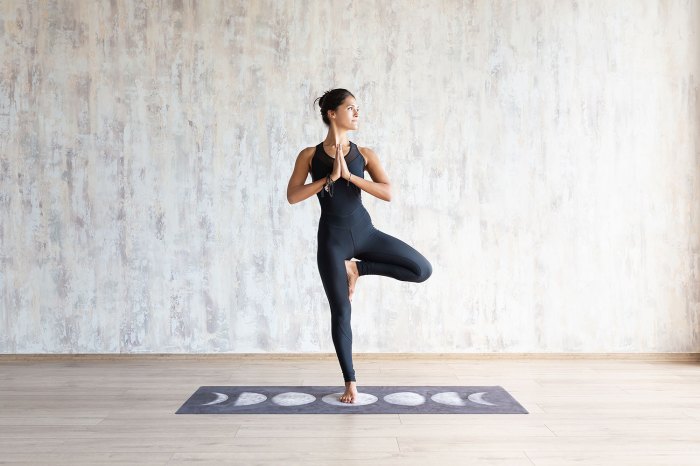
Starting a yoga practice as a beginner can be both exciting and a bit intimidating. Here are some helpful tips to guide you on your yoga journey:
Proper Breathing Techniques
When starting your yoga practice, focus on proper breathing techniques. Pay attention to your breath and try to synchronize it with your movements. Proper breathing not only helps you stay present during your practice but also enhances the benefits of yoga poses.
Choosing the Right Type of Yoga
It is essential for beginners to choose the right type of yoga practice that suits their needs and preferences. Whether you opt for Hatha, Vinyasa, or Restorative yoga, each style offers unique benefits. Take some time to explore different styles and find one that resonates with you.
Common Yoga Poses for Beginners
Yoga practice for beginners – When starting your yoga practice as a beginner, it’s important to focus on simple poses that help you build strength, flexibility, and balance gradually.
Mountain Pose (Tadasana)
- Stand tall with your feet hip-width apart, arms by your sides, and palms facing forward.
- This pose helps improve posture, balance, and focus while also strengthening the legs and core.
- For beginners who find it challenging, you can place your hands on your hips or bring your feet slightly closer together for added stability.
Child’s Pose (Balasana)
- Kneel on the floor, sit back on your heels, and lower your forehead to the ground with arms extended or resting by your sides.
- This pose helps release tension in the back, shoulders, and neck while promoting relaxation and calming the mind.
- If this pose is uncomfortable, you can place a cushion under your hips or forehead for support.
Downward Facing Dog (Adho Mukha Svanasana)
- Start on your hands and knees, lift your hips up and back, straightening your arms and legs to form an inverted V shape.
- This pose stretches the back, hamstrings, and shoulders, while also building strength in the arms and legs.
- Beginners can bend their knees slightly or place their hands on blocks if they have tight hamstrings or wrists.
Creating a Safe Yoga Practice Environment
Setting up a comfortable and safe space for yoga practice at home is essential for beginners to fully enjoy and benefit from their practice. Here are some tips to help you create the ideal environment:
Using Proper Equipment
- Invest in a good quality yoga mat to provide cushioning and prevent slipping during poses.
- Consider using props like blocks, straps, and bolsters to assist in maintaining proper alignment and support in poses.
Enhancing the Atmosphere
Lighting, temperature, and music can all contribute to a more enjoyable yoga experience for beginners:
- Ensure the room is well-lit but not too bright, creating a calming ambiance for your practice.
- Set the temperature to a comfortable level, neither too hot nor too cold, to help you relax and focus on your breath.
- Play soft, soothing music in the background to enhance relaxation and create a peaceful atmosphere for your practice.
Progression and Consistency in Yoga Practice: Yoga Practice For Beginners
Consistency is key when it comes to a beginner’s yoga practice routine. By practicing regularly, beginners can gradually build strength, flexibility, and mindfulness, leading to overall improvement in their physical and mental well-being.
Tracking Progress and Setting Achievable Goals
- Keep a yoga journal to track your practice, noting down the poses you did, how you felt, and any improvements you noticed.
- Set realistic and achievable fitness goals, such as holding a pose for a few more seconds or improving your balance in a specific pose.
- Celebrate small victories along the way to stay motivated and encouraged in your yoga journey.
Staying Motivated and Overcoming Challenges
- Find a supportive community or join a yoga class to stay motivated and accountable in your practice.
- Experiment with different styles of yoga to keep your practice interesting and challenging.
- Listen to your body and make modifications as needed, especially when facing physical or mental challenges during your practice.
Incorporating Healthy Snacks into a Yoga Practice
When starting a yoga practice, it’s essential to fuel your body with nutritious snacks to support your energy levels and aid in recovery. By incorporating healthy snacks into your routine, you can optimize your yoga sessions and enhance the overall benefits of your practice.
Nutritious Snacks for Yoga Practice
Here are some examples of nutritious snacks that can fuel a beginner’s yoga sessions:
- Fresh fruits like bananas, apples, or berries for a quick energy boost.
- Nuts and seeds for a source of protein and healthy fats to keep you satisfied during your practice.
- Greek yogurt with honey and granola for a balanced snack that provides protein, carbohydrates, and probiotics.
Importance of Pre and Post-Yoga Snacks
Pre-yoga snacks can help provide sustained energy throughout your practice, while post-yoga snacks aid in muscle recovery and replenishing nutrients. It’s crucial to choose snacks that are easily digestible and provide a good balance of carbohydrates, protein, and healthy fats to support your body’s needs.
Balanced Diet and Yoga Practice
A balanced diet complements the benefits of yoga practice for beginners by providing essential nutrients for overall health and well-being. By incorporating a variety of whole foods, such as fruits, vegetables, whole grains, lean proteins, and healthy fats, you can enhance your yoga practice and promote optimal performance both on and off the mat.
Integrating Wellness Programs with Yoga Practice
Participating in wellness programs can greatly support a beginner’s yoga journey by providing a comprehensive approach to overall well-being. These programs often include a variety of activities and resources that complement the physical, mental, and emotional benefits of yoga practice.
Synergies Between Yoga Practice and Other Wellness Activities
Yoga practice can be enhanced by incorporating other wellness activities such as meditation or mindfulness. These practices complement each other by promoting relaxation, stress reduction, and mental clarity. Meditation, for example, can help improve focus and concentration, which can enhance the meditative aspects of yoga.
Holistic Approach of Combining Yoga with Wellness Initiatives
Combining yoga with wellness initiatives allows for a holistic approach to well-being. By integrating activities such as nutrition counseling, fitness classes, and mental health support, individuals can address various aspects of their health simultaneously. This comprehensive approach fosters a balanced and sustainable lifestyle that supports long-term well-being.
Yoga Practice and Physical Therapy
Yoga can be a valuable addition to traditional physical therapy for beginners seeking to improve their overall health and well-being. By combining the therapeutic benefits of yoga with the targeted approach of physical therapy, individuals can enhance their rehabilitation process and achieve better outcomes.
Complementing Physical Therapy with Yoga
Integrating yoga into a physical therapy routine can help individuals improve flexibility, mobility, and strength in a more holistic manner. The gentle stretching and strengthening exercises in yoga can complement the specific exercises prescribed in physical therapy, leading to a more comprehensive approach to rehabilitation.
- Yoga poses such as Downward Dog, Child’s Pose, and Cat-Cow can help improve flexibility in the spine and joints, aiding in the recovery process for individuals with musculoskeletal issues.
- Practicing yoga can also enhance body awareness and mindfulness, allowing individuals to connect with their bodies on a deeper level and make conscious adjustments to their movements and posture.
- Breathing techniques in yoga, such as diaphragmatic breathing and alternate nostril breathing, can promote relaxation and reduce stress, which are beneficial for overall well-being and recovery.
Improving Flexibility, Mobility, and Rehabilitation
One of the key benefits of incorporating yoga into physical therapy is the improvement in flexibility, mobility, and overall rehabilitation progress. The combination of gentle stretches, controlled movements, and breath work in yoga can help individuals recover from injuries or surgeries more effectively.
Yoga has been shown to increase range of motion in joints, improve muscle strength and endurance, and enhance balance and coordination, all of which are crucial aspects of rehabilitation.
- Individuals recovering from sports injuries, chronic pain conditions, or post-operative procedures can benefit from the gentle yet effective nature of yoga practice.
- Yoga can help individuals regain confidence in their bodies, reduce fear of movement, and enhance their overall quality of life during the rehabilitation process.
Success Stories
Many individuals have experienced significant improvements in their physical health and well-being by combining yoga with physical therapy. These success stories highlight the positive impact of integrating these two practices for a more comprehensive approach to healing and recovery.
- A patient recovering from a knee injury found that practicing yoga helped speed up their rehabilitation process by improving flexibility and strength in the surrounding muscles.
- Another individual with chronic back pain reported reduced discomfort and increased mobility after incorporating yoga into their physical therapy routine.
- By working closely with a qualified yoga instructor and physical therapist, these individuals were able to customize their practice to address specific needs and achieve positive outcomes in their recovery journey.
Health Coaching and Yoga Practice
Health coaching plays a crucial role in enhancing a beginner’s yoga practice experience. By providing guidance, support, and accountability, health coaches help individuals set and achieve wellness goals through yoga. Finding a qualified health coach can make a significant difference in the journey of beginners as they navigate the world of yoga.
Benefits of Health Coaching in Yoga Practice
- Health coaches offer personalized guidance tailored to the individual’s needs and goals.
- They provide motivation and support to stay consistent with yoga practice.
- Coaches help in creating a holistic approach to wellness by incorporating yoga into daily routines.
- They assist in overcoming obstacles and challenges that may arise during the yoga journey.
Latest Medical Advancements in Yoga Practice
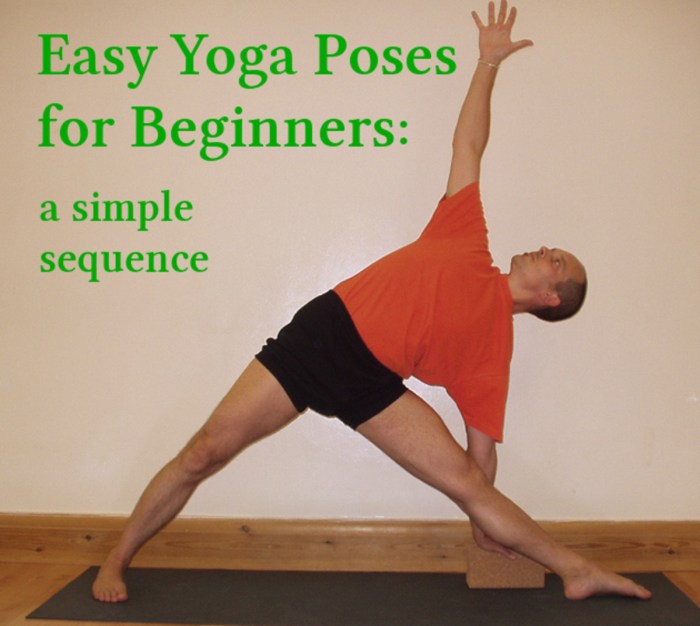
Yoga has been gaining popularity not only for its physical and mental health benefits but also for its potential in preventive medicine. Recent medical research has shed light on the various ways in which yoga can positively impact the health of beginners and seasoned practitioners alike. Let’s delve into some of the latest medical advancements in yoga practice.
Medical Research Findings on Health Benefits of Yoga
- Studies have shown that regular yoga practice can help reduce stress, anxiety, and depression levels in beginners, leading to improved overall mental well-being.
- Yoga has been linked to lower blood pressure, improved cardiovascular health, and better immune function, making it a valuable addition to a beginner’s wellness routine.
- Research suggests that yoga may help alleviate symptoms of chronic conditions such as arthritis, back pain, and insomnia, offering beginners a natural and holistic approach to managing their health.
Innovative Technologies in Yoga Practice
- Virtual reality (VR) and augmented reality (AR) technologies are being integrated into yoga practice to enhance the immersive experience for beginners and provide real-time feedback on alignment and posture.
- Wearable devices and smart mats are being developed to track vital signs, movement patterns, and progress during yoga sessions, offering beginners insights into their practice and overall well-being.
- Online platforms and apps are revolutionizing the way beginners access yoga classes, resources, and personalized guidance, making it easier for individuals to start and maintain a consistent practice from the comfort of their homes.
Yoga as a Preventive Medicine Tool
- Medical professionals are increasingly recognizing the importance of yoga as a preventive medicine tool, promoting its use for stress management, injury prevention, and overall health maintenance among beginners and the general population.
- Integrative medicine approaches, combining yoga with conventional treatments, are becoming more common in healthcare settings, offering beginners a comprehensive and holistic approach to their well-being.
- The growing body of evidence supporting the health benefits of yoga is shaping the future of preventive medicine, with more emphasis on lifestyle modifications, mind-body practices, and personalized wellness plans for beginners to achieve optimal health outcomes.
FAQ Explained
What are the best yoga poses for beginners?
Some ideal poses for beginners include Child’s Pose, Downward-Facing Dog, and Mountain Pose.
How can beginners ensure a safe yoga practice environment?
Beginners should set up a comfortable space, use proper equipment, and pay attention to lighting and temperature.
Is it necessary to have prior fitness experience to start yoga?
No, yoga is accessible to all levels, including beginners with no prior fitness background.




More Stories
Weight management and social support – A Holistic Approach to Health and Wellness
Weight management during menopause: Tips and Strategies to Stay Healthy
Health coaching for lifestyle changes: Transforming Wellness Through Personalized Support