Introduction to Nutritional Counseling and Eating Disorders
Nutritional counseling involves a holistic approach to health that focuses on providing individuals with personalized guidance on their dietary habits and nutritional needs. On the other hand, eating disorders are serious mental health conditions that can have detrimental effects on a person’s physical and emotional well-being. These disorders may manifest in various forms, such as anorexia nervosa, bulimia nervosa, binge eating disorder, or other specified feeding or eating disorders.
Nutritional counseling plays a crucial role in addressing eating disorders by providing individuals with the necessary support and education to develop a healthy relationship with food. It aims to help individuals understand the importance of balanced nutrition, proper meal planning, and mindful eating practices. By working closely with a registered dietitian or nutritionist, individuals with eating disorders can learn how to nourish their bodies effectively and manage their symptoms.
The Importance of Nutritional Counseling for Eating Disorders
Nutritional counseling offers a safe and supportive environment for individuals with eating disorders to explore their relationship with food and address any underlying issues that may contribute to their disordered eating behaviors. Here are some key ways in which nutritional counseling can support individuals with eating disorders:
- Education on proper nutrition and meal planning
- Support in developing a healthy relationship with food
- Guidance on mindful eating practices
- Monitoring of nutritional intake and addressing deficiencies
- Collaboration with other healthcare professionals in the treatment team
Benefits of Nutritional Counseling in Eating Disorders Treatment
Nutritional counseling plays a crucial role in the treatment of eating disorders by providing individuals with the necessary tools and knowledge to develop a healthy relationship with food. By working closely with a registered dietitian or nutritionist, patients can learn how to nourish their bodies properly and make positive changes to their eating habits.
Role of Balanced Nutrition in the Recovery Process
Nutritional counseling focuses on the importance of consuming a balanced diet that includes a variety of nutrients essential for overall health and well-being. By following a balanced nutrition plan, individuals can replenish their bodies with the necessary vitamins, minerals, and macronutrients needed to support physical and mental health during the recovery process.
- Encouraging regular and consistent meals to stabilize blood sugar levels and prevent binge eating episodes.
- Promoting mindful eating practices to help individuals reconnect with their hunger and fullness cues.
- Educating clients on portion control and appropriate serving sizes to prevent overeating or restrictive behaviors.
- Emphasizing the importance of incorporating a wide range of food groups to ensure adequate nutrient intake.
Integrating Wellness Programs with Nutritional Counseling
Nutritional counseling and eating disorders – Integrating wellness programs with nutritional counseling can significantly enhance the treatment and recovery process for individuals with eating disorders. By combining these two approaches, a holistic approach to health is achieved, addressing both physical and mental well-being.
Wellness Programs Focusing on Nutrition and Mental Health
- Yoga and Mindfulness: Incorporating practices like yoga and mindfulness meditation can help individuals develop a positive relationship with food and their bodies. These practices promote self-awareness, stress reduction, and emotional regulation.
- Cooking Classes: Providing cooking classes that focus on nutritious and balanced meals can empower individuals to make healthier food choices and develop essential cooking skills.
- Art Therapy: Engaging in creative activities through art therapy can help individuals express emotions, improve self-esteem, and explore underlying issues contributing to their eating disorder.
- Group Fitness Sessions: Participating in group fitness sessions promotes physical activity in a supportive environment, fostering a sense of community and accountability.
The Role of Physical Therapy in Eating Disorder Recovery
Physical therapy plays a crucial role in the treatment of eating disorders by focusing on the connection between physical activity, mental health, and nutrition. By incorporating physical therapy exercises into the recovery process, individuals can benefit holistically in their journey towards healing.
Benefits of Physical Therapy in Eating Disorder Recovery
- Improves body awareness and acceptance
- Promotes a healthy relationship with exercise
- Enhances overall physical well-being
- Aids in stress management and relaxation
Physical Therapy Exercises for Eating Disorder Recovery
- Yoga: Helps in improving flexibility, strength, and mindfulness
- Pilates: Focuses on core strength, posture, and body alignment
- Aquatic therapy: Provides a low-impact form of exercise for joint mobility and relaxation
- Resistance training: Builds muscle strength and endurance in a controlled environment
Health Coaching for Nutritional Counseling and Eating Disorders
Health coaching plays a crucial role in supporting individuals with eating disorders by providing guidance, motivation, and accountability throughout their journey to recovery. Health coaches work closely with clients to develop healthy eating habits, address underlying emotional issues, and establish a positive relationship with food.
Strategies Used by Health Coaches
- Creating personalized meal plans tailored to the individual’s nutritional needs and preferences.
- Teaching mindful eating techniques to help clients become more aware of their hunger cues and satiety levels.
- Implementing behavior change strategies to break unhealthy eating patterns and develop new, positive habits.
- Providing ongoing support and encouragement to help clients stay motivated and committed to their nutrition goals.
Recent Medical Advancements in Nutritional Counseling for Eating Disorders
In recent years, there have been significant advancements in the field of medical treatments and approaches for eating disorders, particularly in the realm of nutritional counseling. These advancements aim to provide more personalized and effective care for individuals struggling with eating disorders.
Personalized Nutrition Plans
Nutritional counseling for eating disorders now often involves the creation of personalized nutrition plans tailored to each individual’s specific needs and preferences. These plans take into account factors such as the individual’s dietary restrictions, nutritional deficiencies, and overall health goals. By customizing nutrition plans in this way, healthcare providers can better support their patients in achieving a balanced and sustainable approach to eating.
Meal Tracking Apps
Technology has played a significant role in enhancing nutritional counseling for individuals with eating disorders. Meal tracking apps, for example, have become popular tools for individuals to monitor their food intake, track nutritional content, and receive real-time feedback from healthcare providers. These apps can help individuals develop a healthier relationship with food and make more informed choices about their dietary habits.
Telehealth Services
Telehealth services have also revolutionized the way nutritional counseling is delivered to individuals with eating disorders. With the rise of telemedicine, individuals can now access virtual counseling sessions with registered dietitians and nutrition experts from the comfort of their own homes. This convenient and accessible form of care has made it easier for individuals to seek support and guidance in managing their eating disorder.
Nutrigenomics
Nutrigenomics, the study of how genetic variations affect an individual’s response to nutrients, has emerged as a promising field in nutritional counseling for eating disorders. By analyzing an individual’s genetic makeup, healthcare providers can gain valuable insights into how their body metabolizes nutrients and identify specific dietary interventions that may be most effective for them. This personalized approach to nutrition can lead to more targeted and successful outcomes in eating disorder treatment.
Setting Fitness Goals in Nutritional Counseling
Setting fitness goals is a crucial aspect of nutritional counseling, especially for individuals recovering from eating disorders. Physical activity plays a significant role in promoting overall health and well-being, complementing the efforts put into balanced nutrition.
The Importance of Setting Fitness Goals
- Setting fitness goals helps individuals in recovery establish a structured routine and promotes a positive relationship with their bodies.
- Physical activity can aid in reducing stress and anxiety, which are common challenges faced by individuals with eating disorders.
- By incorporating fitness goals, individuals can improve their self-esteem and body image, leading to a more sustainable recovery process.
Examples of Fitness Goals Aligned with Balanced Nutrition
- Engaging in moderate cardiovascular exercises, such as brisk walking or cycling, for at least 30 minutes a day.
- Incorporating strength training exercises to build muscle mass and improve metabolism.
- Practicing mindful movement activities like yoga or pilates to enhance flexibility and body awareness.
Achieving Balanced Nutrition in Eating Disorder Recovery
Proper nutrition plays a crucial role in the recovery process from eating disorders, as it helps restore physical health, stabilize mood, and improve overall well-being.
The Significance of Balanced Nutrition
One of the key aspects of achieving balanced nutrition in eating disorder recovery is ensuring that individuals are receiving all the essential nutrients their bodies need to function optimally. This includes a mix of carbohydrates, proteins, fats, vitamins, and minerals to support physical and mental health.
How Nutritional Counseling Helps
Nutritional counseling provides individuals with the education, support, and guidance needed to develop a healthy relationship with food and achieve a well-rounded and nutritious diet. Through personalized meal planning, education on portion sizes, and addressing food fears, individuals can learn to nourish their bodies properly.
Tips for Maintaining a Balanced Diet
- Aim for variety in food choices to ensure a wide range of nutrients.
- Listen to your body’s hunger cues and eat when you are hungry.
- Avoid labeling foods as “good” or “bad” and instead focus on balance and moderation.
- Include a mix of food groups in each meal to ensure a well-rounded diet.
- Seek support from a registered dietitian or healthcare provider to create a sustainable meal plan.
Enhancing Mental Strength through Nutritional Counseling
Nutritional counseling plays a crucial role in enhancing mental strength and resilience, especially in the context of eating disorder recovery. By focusing on the relationship between mental health and nutrition, individuals can experience significant improvements in their overall well-being.
Benefits of a Healthy Diet on Mental Health
- Consuming a balanced diet rich in essential nutrients can help regulate mood swings and improve cognitive function.
- Proper nutrition can reduce symptoms of anxiety and depression, promoting a more positive mindset.
- Stabilizing blood sugar levels through a healthy diet can enhance focus and concentration, leading to better mental clarity.
- Omega-3 fatty acids found in foods like fish can support brain health and contribute to a more positive outlook.
Nutritional Counseling for Mental Resilience
- Through personalized nutritional counseling, individuals can learn how to nourish their bodies and minds effectively.
- Setting realistic nutrition goals and creating meal plans can instill discipline and structure, fostering mental resilience.
- Educating individuals on the importance of self-care through nutrition can empower them to make healthier choices for long-term mental well-being.
The Role of Yoga Practice in Nutritional Counseling
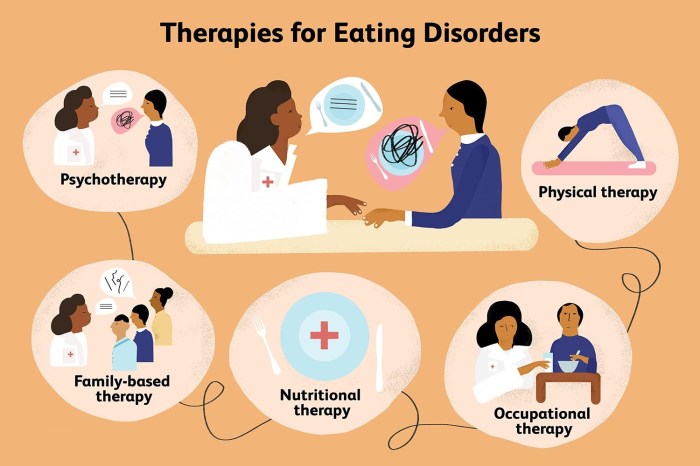
Yoga practice plays a significant role in complementing nutritional counseling for individuals with eating disorders. It offers a holistic approach to healing by focusing on both mental and physical well-being.
Benefits of Yoga in Eating Disorder Recovery, Nutritional counseling and eating disorders
- Yoga promotes mindfulness and self-awareness, helping individuals connect with their bodies and emotions.
- It reduces stress and anxiety levels, which are common triggers for disordered eating behaviors.
- Yoga improves body image and self-esteem, fostering a positive relationship with food and nutrition.
- It enhances flexibility, strength, and overall physical health, supporting the body’s recovery process.
Yoga Poses for Eating Disorder Recovery
- Child’s Pose (Balasana): This pose helps to calm the mind and release tension in the body.
- Warrior II (Virabhadrasana II): Warrior poses build strength and confidence, empowering individuals in their recovery journey.
- Tree Pose (Vrikshasana): Balancing poses like Tree Pose promote stability and focus, reflecting the balance sought in eating disorder recovery.
- Corpse Pose (Savasana): Savasana allows for relaxation and rejuvenation, aiding in stress reduction and mental clarity.
Importance of Health Education in Nutritional Counseling
Health education plays a crucial role in nutritional counseling, especially in the context of eating disorder recovery. By providing individuals with knowledge and understanding of nutrition, health education empowers them to make informed choices about their diet and overall well-being.
Key Educational Topics in Nutritional Counseling Sessions
- The basics of nutrition: Understanding macronutrients, micronutrients, and their role in the body.
- Meal planning and portion control: Learning how to create balanced meals and control portion sizes.
- Food labeling and decoding: Understanding how to read food labels and make healthier food choices.
- Emotional eating and mindfulness: Exploring the connection between emotions and eating habits, and practicing mindfulness techniques.
- Nutrition myths and facts: Debunking common misconceptions about food and nutrition.
Strategies for Weight Management in Nutritional Counseling
Nutritional counseling plays a crucial role in helping individuals with eating disorders effectively manage their weight. By providing personalized guidance and support, nutritional counselors can help clients develop healthy eating habits and achieve a balanced weight that supports their overall well-being.
Importance of Healthy Weight Range in Eating Disorder Recovery
Maintaining a healthy weight range is essential for individuals recovering from eating disorders as it supports physical health, mental well-being, and overall recovery progress. Nutritional counselors work with clients to establish realistic weight goals and develop sustainable strategies to achieve and maintain a healthy weight range.
- Implementing a balanced meal plan tailored to individual nutritional needs
- Monitoring weight changes and adjusting dietary recommendations accordingly
- Encouraging mindful eating practices to promote a healthy relationship with food
- Incorporating regular physical activity to support weight management goals
Personalized Weight Management Strategies
Nutritional counselors tailor weight management strategies to each individual’s unique needs and goals, taking into account factors such as medical history, lifestyle preferences, and dietary restrictions. By offering personalized guidance and support, counselors help clients navigate challenges and make sustainable changes to support their weight management journey.
- Setting achievable weight loss or gain goals based on individual needs
- Providing education on portion control and balanced nutrition
- Addressing emotional triggers and psychological factors influencing eating behaviors
- Collaborating with other healthcare providers to ensure comprehensive support for weight management
Importance of Health Checkups in Nutritional Counseling: Nutritional Counseling And Eating Disorders
Regular health checkups play a crucial role in monitoring progress and ensuring the well-being of individuals during eating disorder recovery. These checkups provide valuable insights into the effectiveness of nutritional counseling interventions and help healthcare professionals make informed decisions to support their patients.
Key Health Indicators Monitored During Checkup Appointments
- Body Mass Index (BMI): BMI is a key indicator used to assess weight status and nutritional health. Monitoring changes in BMI over time can help track progress and identify any potential concerns.
- Blood Tests: Blood tests are commonly conducted to evaluate various health parameters such as nutrient levels, blood sugar, cholesterol, and liver function. These tests provide essential information about the overall health status of individuals undergoing eating disorder recovery.
- Heart Health: Regular monitoring of vital signs like blood pressure and heart rate is essential to assess cardiovascular health and detect any abnormalities that may arise due to nutritional deficiencies or imbalances.
- Bone Density: Individuals with eating disorders are at risk of developing osteoporosis due to nutrient deficiencies. Bone density scans help in assessing the strength of bones and identifying any signs of bone loss.
- Mental Health Assessment: Health checkups also involve evaluating mental health aspects such as mood, anxiety levels, and cognitive function. This holistic approach ensures that both physical and mental well-being are addressed during the recovery process.
Promoting Skin Health through Nutritional Counseling
Nutritional counseling plays a vital role in promoting skin health, especially in individuals recovering from eating disorders. A balanced diet rich in essential nutrients not only improves overall well-being but also enhances skin health.
Nutrients Essential for Healthy Skin
- Omega-3 fatty acids: Found in fish, flaxseeds, and walnuts, omega-3 fatty acids help maintain skin elasticity and hydration.
- Vitamin E: A powerful antioxidant, vitamin E protects skin cells from damage caused by free radicals and promotes skin healing.
- Vitamin C: Known for its collagen-boosting properties, vitamin C aids in skin repair and regeneration.
- Zinc: Essential for wound healing and maintaining skin integrity, zinc can be found in nuts, seeds, and legumes.
- Antioxidants: Found in colorful fruits and vegetables, antioxidants protect the skin from oxidative stress and premature aging.
Ensuring an adequate intake of these nutrients through a well-rounded diet is crucial for individuals seeking to improve their skin health during eating disorder recovery.
Addressing Emotional Health in Nutritional Counseling
Nutritional counseling plays a crucial role in addressing emotional health, especially in individuals with eating disorders. The relationship between food choices and emotional well-being is significant, as what we eat can directly impact our mood, energy levels, and overall mental health.
Impact of Food Choices on Emotional Well-being
- Consuming a well-balanced diet rich in nutrients can help stabilize mood and reduce symptoms of anxiety and depression.
- Skipping meals or following restrictive diets can lead to irritability, fatigue, and heightened emotional distress.
- Certain foods like those high in sugar or processed ingredients can trigger mood swings and exacerbate feelings of guilt or shame in individuals with eating disorders.
Coping Strategies and Emotional Support Techniques
- Encouraging mindful eating practices to help individuals connect with their body’s hunger and fullness cues, fostering a healthier relationship with food.
- Implementing stress-reduction techniques such as deep breathing, meditation, or journaling to manage emotional triggers and prevent emotional eating episodes.
- Building a support network through group therapy, counseling sessions, or online communities to provide emotional support and encouragement throughout the recovery process.
Strategies for Health Motivation in Nutritional Counseling
Maintaining healthy eating habits is crucial for individuals recovering from eating disorders. Motivation plays a key role in sustaining these habits and promoting overall well-being. Nutritional counseling can provide the necessary support and guidance to nurture and maintain health motivation throughout the recovery journey.
Setting Realistic Goals
- Encourage clients to set achievable short-term and long-term goals related to their nutrition and overall health.
- Help clients break down their goals into smaller, manageable steps to prevent feeling overwhelmed.
- Celebrate each milestone achieved to boost motivation and reinforce positive behaviors.
Education and Awareness
- Provide clients with information about the benefits of healthy eating and the impact of nutrition on their physical and mental well-being.
- Offer resources and tools to help clients make informed choices about their diet and lifestyle.
- Discuss the importance of self-care and how nutrition plays a vital role in self-nurturing and healing.
Building a Support System
- Encourage clients to surround themselves with a supportive network of family, friends, or support groups who can provide encouragement and motivation.
- Offer group counseling sessions or wellness programs that foster a sense of community and belonging.
- Provide guidance on how to communicate effectively with loved ones about their journey towards better health.
Mindfulness and Self-Reflection
- Teach clients mindfulness techniques to help them stay present and aware of their thoughts, emotions, and behaviors related to food and eating.
- Encourage self-reflection to identify triggers, patterns, and obstacles to maintaining healthy eating habits.
- Promote self-compassion and positive self-talk to counteract negative thoughts and foster a healthy relationship with food.
Incorporating Physical Activities in Nutritional Counseling
Physical activities play a crucial role in the overall well-being and recovery of individuals with eating disorders. Integrating exercise into the nutritional counseling plan can greatly enhance the effectiveness of treatment and promote a healthy lifestyle.
Benefits of Physical Activities in Nutritional Counseling
- Regular physical activity helps improve mood and reduce anxiety and depression, which are common challenges faced by individuals with eating disorders.
- Exercise can increase self-esteem and body image perception, supporting individuals in their journey towards recovery and a positive relationship with food.
- Physical activities contribute to the maintenance of a healthy weight and muscle mass, which are essential for overall health and vitality.
Examples of Physical Activities Supporting Nutritional Goals
- Cardiovascular exercises like running, cycling, or swimming can help improve cardiovascular health and endurance.
- Strength training exercises such as weightlifting or bodyweight exercises can enhance muscle tone and strength, supporting metabolic function.
- Yoga and Pilates promote flexibility, balance, and mindfulness, which can be beneficial for stress management and mental well-being.
Raising Health Awareness through Nutritional Counseling
Nutritional counseling plays a crucial role in raising awareness about nutrition and eating disorders within the community. By educating individuals about the importance of balanced nutrition and the impact of eating disorders on overall health, awareness can be increased to promote healthier lifestyles.
Contribution to Health Education
Nutritional counseling contributes significantly to health education initiatives by providing individuals with the knowledge and tools they need to make informed decisions about their diet and overall well-being. Through personalized counseling sessions, individuals can learn about the nutritional value of different foods, how to create balanced meals, and the potential risks associated with disordered eating habits.
- Empowering individuals to make healthier food choices
- Increasing awareness about the signs and symptoms of eating disorders
- Providing resources and support for those struggling with disordered eating behaviors
Examples of Health Awareness Campaigns
Nutritional counseling can be integrated into various health awareness campaigns and programs to reach a wider audience and promote positive behavior change. Some examples include:
1. Hosting workshops on nutrition and eating disorders for schools and community centers
2. Collaborating with local healthcare providers to offer free nutrition assessments and counseling sessions
3. Partnering with non-profit organizations to raise awareness about the importance of balanced nutrition
Preventive Medicine Approaches in Nutritional Counseling
Nutritional counseling plays a vital role in preventive medicine by focusing on promoting overall health and well-being through proper nutrition. By integrating preventive medicine strategies into nutritional counseling, individuals can achieve long-term health benefits and reduce the risk of developing chronic diseases.
Benefits of Early Intervention in Nutritional Counseling
Early intervention in nutritional counseling can help address eating disorders before they escalate, leading to better treatment outcomes and improved overall health. By identifying and addressing nutritional deficiencies or unhealthy eating habits early on, individuals can prevent the development of more serious health issues.
Examples of Preventive Medicine Practices in Nutritional Counseling
- Providing education on balanced nutrition to prevent nutrient deficiencies and promote overall health.
- Encouraging regular physical activity to maintain a healthy weight and reduce the risk of obesity-related conditions.
- Implementing mindfulness techniques to support healthy eating habits and prevent emotional eating.
- Offering regular health check-ups to monitor progress and identify any potential health concerns early on.
Personalized Nutritional Counseling for Healthy Mind and Body

Personalized nutritional counseling plays a crucial role in promoting a healthy mind and body by tailoring nutrition plans to individual needs and goals. This approach ensures that each person receives the specific support required for their unique circumstances, especially in the context of eating disorder recovery.
Individualized Nutrition Plans for Holistic Well-Being
- Customized nutrition plans take into account factors such as age, gender, health conditions, activity levels, and personal preferences to create a comprehensive approach to wellness.
- By addressing specific nutritional deficiencies and imbalances, personalized counseling can help improve mental clarity, emotional well-being, and physical health simultaneously.
- These tailored plans focus not only on weight management but also on improving overall quality of life, including energy levels, immune function, and cognitive performance.
Examples of Customized Nutritional Counseling Approaches
- One-on-one consultations with a registered dietitian to assess individual needs and create personalized meal plans that align with specific health goals.
- Integrating mindfulness techniques and intuitive eating practices to foster a positive relationship with food and promote sustainable habits for long-term health.
- Utilizing genetic testing and biomarker analysis to identify genetic predispositions and metabolic factors that influence nutritional requirements.
Clarifying Questions
How does nutritional counseling address eating disorders?
Nutritional counseling plays a crucial role in helping individuals develop healthier relationships with food and promoting balanced nutrition to support recovery from eating disorders.
What are some examples of wellness programs that complement nutritional counseling?
Wellness programs focusing on nutrition and mental health, such as mindfulness practices and stress management techniques, can enhance the effectiveness of nutritional counseling for individuals with eating disorders.
How can health coaches assist individuals with eating disorders in developing healthy eating habits?
Health coaches collaborate with clients to create personalized strategies for adopting balanced nutrition, offering guidance and support to cultivate sustainable habits conducive to overall well-being.

More Stories
Nutritional counseling for diabetes management: Improving Health Through Personalized Nutrition
Health awareness and environmental sustainability: A Path to a Healthier Future
How to achieve balanced nutrition while traveling