Physical Activities for Promoting Relaxation
Physical activities play a crucial role in promoting relaxation and reducing stress levels. Engaging in activities that involve movement can help improve overall well-being and contribute to a sense of calm and tranquility.
Yoga
- Yoga combines physical postures, breathing exercises, and meditation to promote relaxation and reduce stress.
- Benefits include increased flexibility, improved balance, and a sense of inner peace.
- Practicing yoga regularly can help calm the mind and release tension in the body.
Walking or Hiking
- Walking or hiking in nature can have a calming effect on the mind and body.
- Being outdoors, surrounded by greenery, can help reduce anxiety and promote relaxation.
- Engaging in regular walks or hikes can improve mood and boost overall mental well-being.
Dance
- Dancing is a fun and energetic way to relieve stress and promote relaxation.
- Moving to music can help release endorphins, which are known as “feel-good” hormones.
- Dance can also improve coordination, flexibility, and cardiovascular health.
Healthy Snacks
Physical activities for promoting relaxation – When it comes to maintaining a healthy lifestyle, choosing nutritious snacks is key. These snacks not only provide essential vitamins and minerals but also help boost energy levels and promote overall wellness.
Nutritious and Easy-to-Prepare Snacks
- Apple slices with almond butter
- Greek yogurt with mixed berries
- Carrot sticks with hummus
- Rice cakes with avocado and cherry tomatoes
Recipes for Energy-Boosting Snacks
- Energy Balls: Mix together oats, honey, peanut butter, and dark chocolate chips. Roll into balls and refrigerate.
- Smoothie Bowl: Blend frozen bananas, spinach, almond milk, and protein powder. Top with granola and sliced fruits.
- Quinoa Salad: Combine cooked quinoa with cucumber, cherry tomatoes, feta cheese, and a lemon vinaigrette.
Importance of Vitamins and Minerals in Snacks
Choosing snacks that are rich in vitamins and minerals is crucial for supporting various bodily functions. These nutrients play a vital role in maintaining overall health and well-being.
Tips for Incorporating Healthy Snacks
- Plan ahead and prepare snacks in advance to avoid reaching for unhealthy options.
- Keep a variety of fruits, vegetables, nuts, and seeds on hand for quick and nutritious snacks.
- Opt for whole foods over processed snacks to ensure you are getting the most nutrients.
Wellness Programs
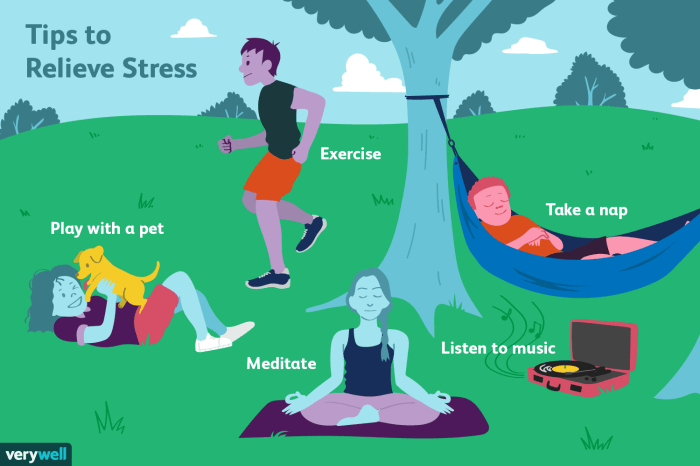
Wellness programs are comprehensive initiatives designed to promote overall health and well-being by addressing various aspects of physical, mental, and emotional wellness. These programs typically include a combination of activities, resources, and support systems to help individuals achieve optimal health.
Components of a Comprehensive Wellness Program
- Regular physical activity: Encouraging participants to engage in regular exercise routines tailored to their fitness levels and preferences.
- Nutritional support: Providing guidance on healthy eating habits, meal planning, and access to nutritious food options.
- Mental health resources: Offering mental health education, stress management techniques, and access to counseling services.
- Work-life balance initiatives: Promoting strategies to help individuals balance their professional and personal lives effectively.
- Health screenings and assessments: Conducting regular health screenings and assessments to monitor progress and identify areas for improvement.
Role of Wellness Programs in Promoting Physical and Mental Health
- Physical health: Wellness programs help individuals maintain a healthy lifestyle through regular exercise and proper nutrition, reducing the risk of chronic diseases.
- Mental health: By providing resources for stress management and mental health support, wellness programs contribute to improved emotional well-being and overall mental health.
Examples of Successful Wellness Programs
- Corporate wellness programs: Companies like Google and Apple offer comprehensive wellness programs to their employees, including fitness classes, healthy meal options, and mental health resources.
- Community-based wellness programs: Local community centers and organizations often provide wellness programs that cater to the needs of residents, such as free exercise classes, nutrition workshops, and support groups.
Tips for Creating Personalized Wellness Programs
- Set specific health goals: Identify areas of improvement and set clear, achievable goals to work towards.
- Find activities you enjoy: Choose physical activities and healthy habits that you enjoy to make it easier to stick to your wellness program.
- Seek professional guidance: Consult with healthcare professionals, fitness trainers, or nutritionists to create a personalized plan tailored to your needs and preferences.
- Stay consistent: Consistency is key to seeing results, so commit to following your wellness program regularly and make adjustments as needed.
Physical Therapy

Physical therapy plays a crucial role in helping individuals recover from injuries or surgeries. It is a specialized form of treatment that focuses on improving mobility, reducing pain, and restoring function. Let’s explore the benefits and techniques of physical therapy in more detail.
Benefits of Physical Therapy
- Enhanced mobility: Physical therapy helps individuals regain strength and flexibility, allowing them to move more freely and perform daily activities with greater ease.
- Pain management: Through targeted exercises and techniques, physical therapy can help reduce pain levels and improve overall comfort.
- Prevention of further injury: By strengthening muscles and improving balance, physical therapy can reduce the risk of future injuries.
- Customized treatment: Physical therapists create personalized treatment plans based on individual needs and goals, ensuring effective and tailored care.
Types of Physical Therapy Techniques, Physical activities for promoting relaxation
- Manual therapy: Hands-on techniques such as massage, joint mobilization, and manipulation help improve range of motion and reduce pain.
- Therapeutic exercises: Customized exercises target specific areas of weakness or injury, promoting strength and flexibility.
- Modalities: Techniques like ultrasound, electrical stimulation, and heat/cold therapy can aid in pain relief and tissue healing.
- Functional training: Activities and exercises designed to simulate real-life movements improve balance, coordination, and overall function.
Success Stories in Physical Therapy
“After undergoing knee surgery, I struggled to walk without pain. Through physical therapy, I regained strength and mobility, allowing me to return to my normal activities pain-free.” – Sarah
“Following a car accident, I experienced neck and back pain. Physical therapy not only relieved my pain but also taught me how to prevent future injuries through proper posture and movement.” – James
Health Coaching: Physical Activities For Promoting Relaxation
Health coaching plays a crucial role in helping individuals achieve their health goals by providing personalized support and guidance throughout their wellness journey.
Role of a Health Coach
- Health coaches act as motivators, educators, and accountability partners for clients.
- They help clients set realistic goals and develop sustainable lifestyle changes.
- Health coaches empower individuals to take control of their health and well-being.
Importance of Personalized Coaching
Personalized coaching is essential in promoting behavior change as it takes into account the unique needs, preferences, and challenges of each individual.
- Customized plans increase adherence and long-term success in achieving health goals.
- Personalized coaching addresses underlying factors contributing to health issues, leading to more effective outcomes.
Finding a Qualified Health Coach
When looking for a health coach, consider the following tips to ensure a positive coaching experience:
- Check credentials and certifications to verify the coach’s qualifications.
- Ask for references or testimonials from previous clients to assess the coach’s track record.
- Discuss coaching methods, communication style, and expectations to ensure compatibility.
Positive Impact of Health Coaching
Health coaching has positively impacted individuals’ lives in various ways, such as:
- Helping individuals achieve weight loss and maintain a healthy lifestyle.
- Supporting behavior change to manage chronic conditions like diabetes or hypertension.
- Improving overall well-being, stress management, and mental health through personalized guidance.
Medical Advancements
Medical advancements have played a crucial role in improving health outcomes and revolutionizing patient care. With the continuous evolution of medical technology, innovative treatments and procedures are reshaping the healthcare landscape. These breakthroughs have paved the way for more effective interventions and better patient outcomes. Looking ahead, the potential for future developments in medical advancements holds promise for further enhancing healthcare delivery and patient experiences.
Advancements in Precision Medicine
Precision medicine is a cutting-edge approach that takes into account individual variability in genes, environment, and lifestyle for each person. By tailoring treatment and prevention strategies to the unique characteristics of each patient, precision medicine aims to improve outcomes and reduce side effects. This personalized approach has already shown tremendous potential in areas such as cancer treatment, where targeted therapies have significantly improved survival rates.
Innovations in Robotic Surgery
Robotic surgery has transformed the field of surgery by allowing for more precise, minimally invasive procedures. Surgeons can now perform complex operations with greater accuracy and control, leading to faster recovery times and reduced complications for patients. The integration of robotics in surgery continues to advance, with the potential to further enhance surgical outcomes and expand the range of procedures that can be performed.
Advances in Telemedicine
Telemedicine has emerged as a valuable tool for expanding access to healthcare services, especially in remote or underserved areas. Through remote consultations, monitoring, and diagnosis, telemedicine enables patients to receive care from a distance, improving convenience and efficiency. The integration of telemedicine technologies, such as virtual visits and remote monitoring devices, has the potential to revolutionize healthcare delivery and enhance patient outcomes in the future.
Fitness Goals
Setting fitness goals is crucial for individuals looking to stay motivated and track their progress on their health and wellness journey. By establishing clear objectives, individuals can have a sense of direction and purpose in their fitness routine.
Importance of Setting Realistic Goals
Setting realistic and achievable fitness goals is essential to prevent feelings of frustration and discouragement. It allows individuals to celebrate small victories along the way, boosting their confidence and motivation to continue working towards their ultimate fitness goals.
- Start by assessing your current fitness level and identifying areas for improvement.
- Consider your lifestyle, schedule, and preferences to tailor your fitness goals accordingly.
- Break down larger goals into smaller, manageable milestones to track your progress effectively.
- Stay flexible and adjust your goals as needed to accommodate any changes in circumstances.
Creating a Personalized Fitness Plan
Developing a personalized fitness plan based on individual needs and preferences is key to maintaining long-term commitment and enjoyment in physical activities.
- Consult with a fitness professional to determine the most suitable exercises and routines for your fitness goals.
- Incorporate a variety of activities to keep your routine engaging and prevent boredom or plateaus.
- Schedule regular workouts and rest days to maintain a balanced approach to fitness and prevent burnout.
- Set specific, measurable, achievable, relevant, and time-bound (SMART) goals to guide your progress effectively.
Examples of Fitness Goals
Short-term and long-term fitness goals can vary depending on individual preferences and objectives. Here are some examples to consider:
- Short-term Goal: Run a 5K race in the next three months.
- Long-term Goal: Achieve a healthy body weight and maintain it through regular exercise and balanced nutrition.
- Short-term Goal: Increase flexibility and mobility through daily stretching exercises.
- Long-term Goal: Improve overall strength and endurance to participate in a triathlon within the next year.
Balanced Nutrition
Balanced nutrition is essential for maintaining overall health and well-being. It involves consuming the right amount of nutrients to meet the body’s needs and support optimal functioning.
Key Components of a Balanced Diet
- Proteins: Essential for building and repairing tissues in the body.
- Carbohydrates: Provide energy for daily activities and proper brain function.
- Fats: Necessary for absorbing vitamins and maintaining cell structure.
- Vitamins and minerals: Support various bodily functions and overall health.
- Fiber: Aids in digestion and helps maintain a healthy weight.
Achieving Nutritional Balance
- Include a variety of foods in your diet to ensure you get a wide range of nutrients.
- Focus on whole foods like fruits, vegetables, whole grains, lean proteins, and healthy fats.
- Avoid processed foods high in added sugars, unhealthy fats, and sodium.
- Stay hydrated by drinking plenty of water throughout the day.
Tips for Meal Planning
- Plan your meals ahead of time to ensure they are balanced and nutritious.
- Include a mix of different food groups in each meal to achieve a balanced diet.
- Consider portion sizes to avoid overeating and maintain a healthy weight.
- Listen to your body’s hunger and fullness cues to eat intuitively.
Examples of Nutrient-Rich Foods
| Food Group | Examples |
|---|---|
| Proteins | Chicken, fish, tofu, lentils |
| Carbohydrates | Quinoa, sweet potatoes, whole grain bread |
| Fats | Avocado, nuts, olive oil |
| Vitamins and Minerals | Spinach, oranges, almonds |
| Fiber | Beans, broccoli, chia seeds |
Mental Strength
Mental strength is the ability to effectively cope with challenges, stress, and adversity. It involves resilience, determination, and a positive mindset that allows individuals to navigate difficult situations with confidence and composure.
Building Mental Resilience
Building mental resilience is crucial for maintaining mental strength. Strategies such as regular exercise, practicing mindfulness and meditation, seeking support from loved ones, and engaging in activities that bring joy and relaxation can help enhance resilience. Setting realistic goals, maintaining a healthy lifestyle, and developing problem-solving skills are also key components in building mental resilience.
Coping with Stress
Coping with stress is essential for mental strength. Techniques like deep breathing exercises, progressive muscle relaxation, and visualization can help individuals manage stress effectively. Creating a support network, prioritizing self-care, and seeking professional help when needed are also important in coping with stress.
Enhancing Mental Strength through Mindfulness and Self-care Practices
Mindfulness practices, such as meditation and yoga, can help individuals cultivate self-awareness, reduce negative thinking patterns, and enhance mental clarity. Self-care practices like getting enough sleep, eating nutritious meals, and engaging in hobbies or activities that bring joy can also contribute to overall mental strength.
Remarkable Examples of Mental Strength
Examples of individuals who have demonstrated remarkable mental strength include athletes who have overcome career-threatening injuries, survivors of traumatic events who have rebuilt their lives, and leaders who have navigated challenging circumstances with grace and resilience. These individuals serve as inspiration and proof of the power of mental strength in overcoming adversity.
Yoga Practice
Regular practice of yoga offers a multitude of physical and mental benefits that contribute to overall well-being. The combination of physical postures, breathing techniques, and meditation in yoga helps reduce stress, improve flexibility, build strength, and enhance mental clarity.
Types of Yoga Practices and Their Advantages
- Hatha Yoga: Focuses on basic poses and breathing techniques, great for beginners and promoting relaxation.
- Vinyasa Yoga: Involves flowing sequences of poses with synchronized breathing, helps improve flexibility and cardiovascular health.
- Ashtanga Yoga: Emphasizes a set sequence of poses to build strength, flexibility, and focus.
- Yin Yoga: Involves holding poses for longer periods to target deep connective tissues and promote relaxation.
Beginner-Friendly Yoga Poses and Sequences for Relaxation
- Child’s Pose (Balasana): Helps release tension in the back and shoulders.
- Corpse Pose (Savasana): Promotes deep relaxation and stress relief.
- Cat-Cow Stretch: Improves spinal flexibility and releases tension in the back.
Tips for Integrating Yoga into Daily Routines
- Start with short sessions: Even 10-15 minutes of yoga daily can make a difference.
- Set a specific time: Incorporate yoga into your morning or evening routine for consistency.
- Find a quiet space: Create a peaceful environment for your practice to enhance relaxation.
- Listen to your body: Pay attention to how your body feels and adjust poses as needed.
Health Education
Health education plays a crucial role in empowering individuals to make informed decisions about their health and well-being. By providing knowledge and skills, health education enables people to take control of their own health and adopt healthy behaviors.
The Role of Health Educators
Health educators are instrumental in promoting health literacy and disease prevention. They work to provide accurate and up-to-date information on various health topics, ranging from nutrition and physical activity to mental health and chronic disease management. Through interactive workshops, educational sessions, and community outreach programs, health educators help individuals understand the importance of preventive care and empower them to make positive lifestyle choices.
- Developing personalized health education plans tailored to individual needs and goals.
- Collaborating with healthcare providers to enhance patient education and support.
- Implementing evidence-based strategies for health promotion and disease prevention.
Health educators serve as advocates for health equity and strive to address health disparities by promoting access to quality education and resources for all individuals.
Effective Health Education Programs
Effective health education programs can be found in schools, workplaces, and communities, targeting diverse populations and addressing specific health needs. These programs utilize a variety of mediums, such as workshops, seminars, online resources, and social media campaigns, to deliver key health messages and promote behavior change.
- School-based programs focusing on nutrition education, physical activity, and mental health awareness.
- Workplace wellness initiatives offering resources for stress management, healthy eating, and fitness promotion.
- Community health fairs providing screenings, educational materials, and interactive activities for all ages.
Accessing Reliable Health Information
In today’s digital age, accessing reliable health information is essential for making informed decisions about one’s health. Trusted sources such as government websites, academic institutions, and reputable health organizations offer a wealth of resources, including articles, fact sheets, and educational materials, on a wide range of health topics.
| Website | Description |
| Centers for Disease Control and Prevention (CDC) | Provides comprehensive information on infectious diseases, chronic conditions, and public health initiatives. |
| Mayo Clinic | Offers expert advice, medical research, and health news to help individuals make informed health decisions. |
| MedlinePlus | Features trusted health information from the National Institutes of Health (NIH) on diseases, drugs, and wellness topics. |
Weight Management
Maintaining a healthy weight is crucial for overall well-being. It involves a balance of diet, physical activity, and lifestyle modifications. Let’s explore some strategies for achieving and sustaining a healthy weight.
Strategies for Weight Management
- Focus on whole, nutrient-dense foods such as fruits, vegetables, lean proteins, and whole grains.
- Aim for regular physical activity, incorporating both cardio and strength training exercises.
- Avoid crash diets and opt for sustainable changes in eating habits for long-term success.
- Stay hydrated and mindful of portion sizes to prevent overeating.
- Seek support from a health professional or a support group for accountability and guidance.
Relationship Between Diet, Physical Activity, and Weight
Our weight is influenced by the balance between the calories we consume and the calories we burn through physical activity. A healthy diet combined with regular exercise helps in managing weight effectively.
Setting Realistic Weight Management Goals
- Set specific and achievable goals, such as losing a certain amount of weight over a realistic timeframe.
- Track your progress regularly by monitoring your food intake, exercise routine, and weight changes.
- Celebrate small victories along the way to stay motivated and focused on your weight management journey.
Success Stories in Weight Management
John lost 50 pounds by incorporating healthy eating habits and regular exercise into his daily routine. He focused on consistency and perseverance, leading to a successful weight management transformation.
Sarah achieved her weight loss goals by seeking guidance from a nutritionist and personal trainer. With their support, she developed a sustainable plan that helped her reach and maintain her ideal weight.
Health Checkups
Regular health checkups play a crucial role in maintaining overall well-being by detecting any potential health issues early on. This proactive approach allows for timely interventions and better health outcomes.
Importance of Regular Health Checkups
- Early Detection: Regular health screenings can help identify health problems in their early stages when they are more treatable.
- Preventive Care: Health checkups can also help prevent certain illnesses by monitoring risk factors and providing guidance on healthy lifestyle choices.
- Monitoring Health Status: Through routine checkups, healthcare providers can track changes in your health over time and address any concerns promptly.
Recommended Frequency of Health Screenings
- Age 20-39: Blood pressure, cholesterol, diabetes screening, dental checkups – every 1-3 years.
- Age 40-64: Mammograms, colonoscopies, bone density tests, prostate cancer screening – as recommended by healthcare provider.
- Age 65 and older: Annual physical exams, vision and hearing tests, cognitive assessments – on a yearly basis.
- Risk Factors: Individuals with risk factors such as family history of certain diseases or lifestyle habits may require more frequent screenings.
Tips for Preparing for a Health Checkup
- Make a list of questions or concerns to discuss with your healthcare provider.
- Bring a list of current medications and medical history information.
- Wear comfortable clothing and be prepared for any necessary tests or procedures.
- Be honest and open with your healthcare provider about your health habits and concerns.
Examples of Early Interventions from Routine Health Checkups
- A routine blood test revealed high cholesterol levels, leading to dietary changes and medication to lower the risk of heart disease.
- An annual physical exam detected signs of skin cancer early, allowing for prompt treatment and successful recovery.
- A routine colonoscopy found precancerous polyps, which were removed before developing into cancer, saving the individual from a more serious health issue.
Skin Health
Maintaining healthy skin is essential for overall well-being and confidence. Several key factors contribute to achieving and preserving healthy skin, including proper skincare routines, balanced nutrition, hydration, regular exercise, and protection from environmental factors.
Common Skin Concerns and Conditions
- Acne: A common skin condition caused by clogged pores and excess oil production. Preventive measures include regular cleansing, avoiding harsh products, and maintaining a healthy diet.
- Hyperpigmentation: Darkening of the skin due to an overproduction of melanin. Using sunscreen, topical treatments, and exfoliation can help prevent and reduce hyperpigmentation.
- Dryness: Lack of moisture in the skin can lead to flakiness and irritation. Moisturizing regularly, avoiding hot showers, and using gentle cleansers can help combat dry skin.
- Sun Damage: Exposure to UV rays can cause premature aging, sunburn, and skin cancer. Protect your skin by wearing sunscreen, seeking shade, and wearing protective clothing.
Skincare Routines and Products
- Cleansing: Washing your face twice a day with a gentle cleanser helps remove dirt, oil, and impurities.
- Moisturizing: Hydrating the skin with a moisturizer suitable for your skin type helps maintain its elasticity.
- Sunscreen: Applying sunscreen with at least SPF 30 daily protects the skin from harmful UV rays.
- Exfoliation: Regular exfoliation removes dead skin cells and promotes cell turnover for a brighter complexion.
Protecting the Skin from Environmental Damage
- Avoiding prolonged sun exposure and wearing protective clothing, hats, and sunglasses can shield the skin from UV damage.
- Staying hydrated by drinking plenty of water and eating a diet rich in antioxidants can help combat oxidative stress on the skin.
- Using skincare products with ingredients like vitamin C, retinol, and hyaluronic acid can enhance skin health and radiance.
Emotional Health
Emotional well-being is a crucial component of overall health, as it impacts our mental, physical, and social well-being. When we are emotionally healthy, we can cope with stress better, form positive relationships, and make healthier choices in our daily lives.
Managing Emotions and Reducing Stress
- Practice mindfulness techniques such as deep breathing, meditation, or yoga to stay grounded and present in the moment.
- Engage in regular physical activity to release endorphins and reduce stress levels.
- Journaling can be a therapeutic way to express and process your emotions, helping you gain clarity and perspective.
Fostering Emotional Resilience
- Build a support network of friends, family, or a therapist to lean on during challenging times.
- Set healthy boundaries to protect your emotional well-being and prioritize self-care.
- Engage in activities that bring you joy and relaxation, such as hobbies or creative outlets.
Impact on Physical Health and Quality of Life
Emotional health influences our physical health in various ways. Chronic stress and negative emotions can weaken the immune system, increase the risk of chronic diseases, and impact sleep quality. On the other hand, positive emotions and emotional resilience can boost immunity, improve heart health, and enhance overall well-being.
Health Motivation
Maintaining healthy habits and achieving health goals can often be challenging, requiring a strong sense of motivation. Motivation plays a crucial role in keeping us focused, dedicated, and committed to our well-being. It serves as the driving force behind our actions and decisions related to health.
Tips for Staying Motivated
- Set specific, achievable goals: Break down your health goals into smaller, manageable tasks to track your progress effectively.
- Stay positive and celebrate small victories: Acknowledge your accomplishments along the way to staying motivated and encouraged.
- Find a support system: Surround yourself with friends, family, or a community that shares your health goals to stay motivated together.
- Keep a journal: Document your journey, feelings, and milestones to reflect on your progress and stay motivated.
- Reward yourself: Treat yourself with non-food rewards for reaching milestones, like a relaxing spa day or a new workout outfit.
Intrinsic vs. Extrinsic Motivation
Intrinsic motivation comes from within, driven by personal satisfaction, enjoyment, or a sense of purpose. On the other hand, extrinsic motivation involves external factors like rewards, recognition, or praise. In the context of health, intrinsic motivation often leads to more sustainable and long-lasting healthy habits compared to extrinsic motivation.
Motivational Stories and Quotes
“The only bad workout is the one that didn’t happen.” – Anonymous
“Believe in yourself and all that you are. Know that there is something inside you that is greater than any obstacle.” – Christian D. Larson
“Success is the sum of small efforts, repeated day in and day out.” – Robert Collier
Health Awareness
Raising awareness about various health issues and conditions is crucial for promoting overall well-being and preventing diseases. By educating the public about the importance of maintaining good health and seeking timely medical attention, individuals can take proactive steps towards a healthier lifestyle.
The Impact of Health Awareness Campaigns
Health awareness campaigns play a significant role in improving public health outcomes by increasing knowledge about preventive measures, early detection of illnesses, and available treatment options. These initiatives help empower individuals to make informed decisions regarding their health and encourage them to adopt healthy habits.
Ways to Promote Health Awareness
- Organizing community workshops and seminars on various health topics
- Distributing informational pamphlets and brochures in public places
- Collaborating with healthcare professionals to provide free health screenings
- Engaging with schools and workplaces to implement wellness programs
Successful Health Awareness Initiatives
- The “Movember” campaign, which raises awareness about men’s health issues, such as prostate cancer and mental health
- The “Pink Ribbon” campaign for breast cancer awareness and fundraising for research
- The “World AIDS Day” initiative to educate people about HIV/AIDS prevention and treatment
- The “Stoptober” campaign to promote smoking cessation and lung health
Preventive Medicine
Preventive medicine focuses on disease prevention through proactive measures to maintain health and well-being. By identifying risk factors and implementing strategies to reduce the likelihood of illness, preventive medicine plays a crucial role in promoting overall wellness.
Role of Preventive Measures
- Vaccinations: Immunizations help prevent the spread of infectious diseases and protect individuals from serious health complications.
- Screenings: Regular screenings for conditions such as cancer, diabetes, and high blood pressure enable early detection and prompt treatment.
- Lifestyle Modifications: Adopting a healthy lifestyle through balanced nutrition, regular exercise, and stress management can significantly decrease the risk of chronic diseases.
Incorporating Preventive Healthcare Practices
- Establish a routine for annual check-ups and screenings based on age and risk factors.
- Maintain a healthy diet rich in fruits, vegetables, whole grains, and lean proteins.
- Engage in regular physical activity to support cardiovascular health and overall well-being.
Impact of Preventive Medicine
Preventive medicine has led to a reduction in disease burden and improved population health by addressing risk factors early on. For example, the widespread implementation of vaccination programs has significantly decreased the incidence of infectious diseases, contributing to overall public health and well-being.
Nutritional Counseling
Nutritional counseling plays a crucial role in promoting healthy eating habits and overall wellness. By providing personalized guidance and support, a nutrition counselor can help individuals make positive changes to their diet and achieve their health goals.
Benefits of Nutritional Counseling
- Education on proper nutrition: Nutrition counselors educate individuals on the importance of balanced nutrition and how different foods impact their health.
- Personalized guidance: Counselors create customized meal plans tailored to an individual’s specific needs, preferences, and health goals.
- Behavioral changes: Through counseling sessions, individuals learn strategies to overcome unhealthy eating habits and develop sustainable lifestyle changes.
- Support and motivation: Nutrition counselors provide ongoing support and encouragement to help individuals stay on track and maintain their progress.
Role of a Nutrition Counselor
- Assessment: Counselors assess an individual’s current diet, health status, and goals to develop a personalized nutrition plan.
- Educator: They educate individuals on nutritional principles, portion control, label reading, and meal preparation techniques.
- Support system: Counselors offer emotional support, accountability, and motivation to help individuals navigate challenges and setbacks.
- Monitoring progress: They track progress, make adjustments to the nutrition plan as needed, and celebrate achievements along the way.
Tips for Finding a Qualified Nutrition Counselor
- Credentials: Look for a counselor with a degree in nutrition, dietetics, or a related field, along with relevant certifications.
- Experience: Choose a counselor with experience working with individuals who have similar health concerns or goals.
- Communication style: Find a counselor who listens actively, communicates clearly, and respects your preferences and values.
- Compatibility: Ensure that you feel comfortable and supported during sessions, as a strong client-counselor relationship is key to success.
Examples of Nutritional Counseling Success Stories
- Weight loss: Many individuals have successfully lost weight and maintained a healthy weight through nutritional counseling.
- Improved energy levels: By optimizing their nutrition, individuals have reported feeling more energetic and alert throughout the day.
- Health condition management: Nutritional counseling has helped individuals manage chronic conditions like diabetes, heart disease, and digestive disorders.
- Enhanced athletic performance: Athletes have improved their performance and recovery by following personalized nutrition plans designed by counselors.
Healthy Mind
Maintaining a healthy mind is essential for overall well-being. Our mental health plays a significant role in shaping our physical health and quality of life. It affects how we think, feel, and act on a daily basis. Here, we will explore the connection between mental health and overall well-being, as well as strategies for promoting mental well-being and resilience.
Strategies for Maintaining a Healthy Mind
- Practice mindfulness: Engaging in mindfulness activities such as meditation, deep breathing exercises, or yoga can help reduce stress and improve mental clarity.
- Use relaxation techniques: Incorporating relaxation techniques like progressive muscle relaxation or guided imagery can help calm the mind and reduce anxiety.
- Prioritize self-care: Taking time for self-care activities like exercise, hobbies, or spending time with loved ones can help boost mood and overall mental well-being.
- Seek professional help: If you are struggling with your mental health, don’t hesitate to reach out to a mental health professional for support and guidance.
FAQ Overview
Can any physical activity promote relaxation?
Yes, activities like yoga, Pilates, and walking can all help in promoting relaxation by combining movement with mindfulness.
How often should I engage in physical activities for relaxation?
It is recommended to incorporate these activities into your routine at least a few times a week to experience the benefits consistently.
Are there specific physical activities for different levels of stress?
Absolutely, some activities like gentle stretching are great for mild stress, while more intense workouts can help release pent-up tension from high stress levels.
Can children benefit from physical activities for relaxation?
Yes, children can also benefit greatly from activities like dance, play, and yoga to relax and unwind after a busy day.

More Stories