Overview of Health Checkups for Travelers
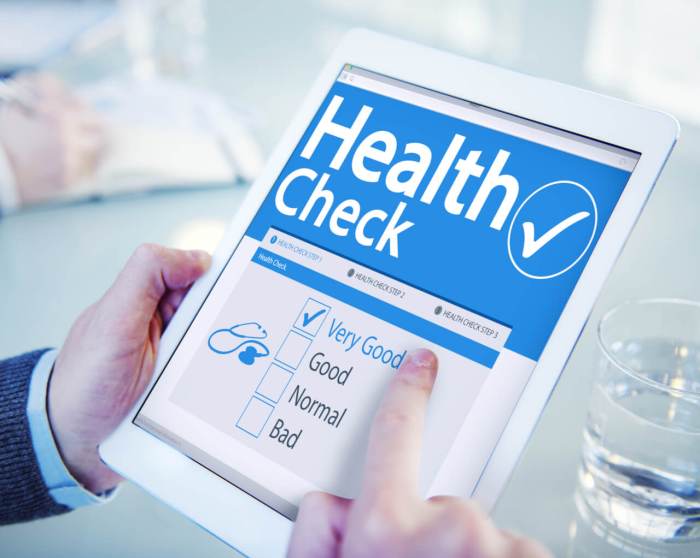
Health checkups for travelers – Health checkups before traveling are crucial to ensure a safe and healthy trip. By undergoing these screenings, travelers can identify and address any underlying health issues that may pose a risk during their journey.
Importance of Health Checkups
- Early detection of any health issues
- Prevention of potential medical emergencies abroad
- Peace of mind and confidence while traveling
Preventing Health Issues During Trips
Health checkups can help prevent health issues during trips by ensuring that travelers are in good health before embarking on their journey. By addressing any medical concerns beforehand, individuals can reduce the risk of falling ill while traveling.
Benefits of Tailored Health Screenings
- Specific tests based on travel destination and activities
- Customized recommendations for vaccinations or medications
- Professional advice on travel health and safety
Types of Health Checkups for Travelers
Health checkups for travelers are essential to ensure a safe and healthy journey. These checkups help identify potential risks and provide preventive measures to protect travelers from illnesses.
Common Health Checkups Recommended for Travelers
- General health checkup: This includes a physical examination, blood tests, and screenings for common health issues.
- Vaccinations: Depending on the travel destination, travelers may need vaccinations against diseases such as hepatitis, typhoid, or yellow fever.
- Medication review: Travelers with existing medical conditions should consult their healthcare provider to ensure they have an adequate supply of medications for the trip.
Specialized Screenings for Different Travel Destinations
Travelers visiting specific regions may require specialized screenings to address the unique health risks associated with those areas.
- Tropical regions: Travelers heading to tropical areas may need screenings for diseases like malaria, dengue fever, or Zika virus.
- High altitudes: Those traveling to high-altitude destinations should consider screenings for altitude sickness and other related conditions.
- Waterborne illnesses: Travelers to regions with poor sanitation may need screenings for waterborne diseases such as cholera or dysentery.
Significance of Vaccinations and Immunizations
Vaccinations and immunizations play a crucial role in protecting travelers from infectious diseases that may be prevalent in their destination.
Preventive measures such as vaccinations can significantly reduce the risk of contracting diseases during travel.
- Required vaccinations: Some countries have specific vaccination requirements for travelers to enter, aiming to prevent the spread of diseases across borders.
- Routine vaccinations: Travelers should ensure they are up to date with routine vaccines like measles, mumps, rubella, and influenza to prevent common infections.
Importance of Preventive Medicine in Travel Health
Preventive medicine plays a crucial role in ensuring travelers’ well-being by focusing on early detection of health issues through checkups, which can prevent complications abroad. Regular health monitoring also helps in maintaining overall health during travel.
Early Detection of Health Issues
Regular health checkups before travel can help in identifying any underlying health conditions that may pose a risk during the trip. Detecting these issues early on can prevent them from escalating and causing serious complications while abroad.
Preventing Complications Abroad
By undergoing preventive health checkups, travelers can address any potential health concerns before they become problematic during their journey. This proactive approach can help in avoiding medical emergencies in unfamiliar environments.
Maintaining Overall Health
Regular health monitoring during travel ensures that any pre-existing health conditions are managed effectively. By staying on top of their health status, travelers can enjoy their trip without being hindered by unexpected illnesses or issues.
Integrating Health Checkups with Travel Plans
Planning a trip involves more than just booking flights and accommodations. It also includes taking care of your health to ensure a safe and enjoyable journey. Integrating health checkups with your travel plans is crucial in preparing for any potential health risks while abroad.
Incorporating Health Checkups into Pre-Travel Preparations
When planning your trip, make sure to schedule a health checkup with your healthcare provider at least 4-6 weeks before your departure date. Discuss your travel itinerary, destinations, and any specific health concerns you may have. This will allow your healthcare provider to recommend necessary vaccinations, medications, and preventive measures tailored to your trip.
Finding Healthcare Providers Specializing in Travel Medicine
Look for healthcare providers who specialize in travel medicine or have experience in providing healthcare services to travelers. You can search online for travel clinics in your area or ask for recommendations from your primary care physician. These healthcare providers are well-equipped to assess your health needs based on your travel plans and provide you with the necessary vaccinations and medications.
Creating a Personalized Health Checklist for Travelers
To create a personalized health checklist for your trip, consider factors such as your destination, duration of travel, activities planned, and your current health status. Include items such as required vaccinations, prescription medications, over-the-counter medications, insect repellents, and first aid supplies. Make sure to pack all necessary health-related items in your travel kit to ensure you are prepared for any health emergencies during your trip.
Maintaining Skin Health While Traveling
Traveling can take a toll on your skin due to changes in climate, exposure to different environments, and stress. It is important to prioritize skincare routines during travel to ensure your skin remains healthy and glowing throughout your journey.
Common Skin Issues Faced by Travelers and How to Prevent Them
- Dryness and Dehydration: Long flights, exposure to sun and wind, and changes in humidity levels can lead to dry and dehydrated skin. To prevent this, drink plenty of water, use a hydrating moisturizer, and avoid hot showers that can strip the skin of its natural oils.
- Sun Damage: UV rays can cause sunburn, premature aging, and increase the risk of skin cancer. Always apply a broad-spectrum sunscreen with SPF 30 or higher, wear protective clothing, and seek shade during peak sun hours.
- Breakouts: Stress, lack of sleep, and exposure to pollution can trigger breakouts during travel. Maintain a consistent skincare routine, cleanse your face regularly, and pack oil-absorbing wipes to keep your skin clean.
Tips on Choosing the Right Skincare Products for Different Climates and Environments
- Consider Your Skin Type: Choose products that are suitable for your skin type, whether it’s oily, dry, combination, or sensitive.
- Adapt to the Climate: In hot and humid climates, opt for lightweight, oil-free products. In cold and dry climates, use richer moisturizers and hydrating serums.
- Multi-Tasking Products: Pack multi-tasking products like a tinted moisturizer with SPF or a hydrating mist for quick and easy skincare on the go.
- Avoid Harsh Ingredients: Steer clear of products with harsh chemicals, fragrances, or alcohol that can irritate the skin, especially when it’s already under stress from traveling.
Promoting Emotional Health During Travel
Traveling can have a significant impact on our mental well-being, as it often involves navigating through unfamiliar environments, dealing with unexpected situations, and being away from our comfort zone. It is crucial to prioritize our emotional health during travel to ensure a smooth and enjoyable experience.
Impact of Travel on Mental Well-being
Traveling can lead to increased stress, anxiety, and feelings of loneliness or homesickness. The disruption of routines, jet lag, cultural differences, and language barriers can also contribute to emotional challenges during travel. It is essential to recognize these factors and proactively manage our emotional well-being.
- Practice mindfulness: Engage in mindfulness techniques such as deep breathing, meditation, or visualization to stay present and reduce anxiety.
- Stay connected: Maintain communication with loved ones back home through calls, messages, or video chats to combat feelings of isolation.
- Seek support: Reach out to travel companions, locals, or support groups if you feel overwhelmed or distressed during your trip.
Strategies to Manage Stress and Anxiety While Traveling
- Plan ahead: Research your destination, create a flexible itinerary, and prepare for unexpected events to minimize stress.
- Stay active: Engage in physical activities like walking, yoga, or swimming to release tension and boost your mood.
- Practice self-care: Prioritize sleep, healthy eating, and relaxation to maintain a sense of well-being throughout your journey.
Mindfulness Techniques to Enhance Emotional Resilience During Trips
- Body scan meditation: Focus on different parts of your body, releasing tension and promoting relaxation.
- Gratitude practice: Reflect on positive experiences, people, or moments from your travels to cultivate a sense of appreciation and joy.
- Grounding exercises: Use your senses to connect with your surroundings, such as noticing the sights, sounds, and smells around you.
Fitness Goals and Physical Activities for Travelers
Traveling can sometimes disrupt our regular fitness routines, but it is essential to prioritize physical activity even while on the go. Staying active during travel not only helps maintain overall health but also enhances the travel experience by boosting energy levels and reducing stress. Here are some examples of workout routines suitable for travelers and tips on how to incorporate physical activities into travel itineraries.
Examples of Workout Routines Suitable for Travelers
- Bodyweight exercises: Squats, lunges, push-ups, and planks can be done anywhere without the need for equipment.
- Running or jogging: Explore new destinations by going for a run or jog to sightsee while getting your heart rate up.
- Yoga: Practice yoga poses to improve flexibility, balance, and relaxation during your travels.
Benefits of Staying Active During Travel
- Boosts energy levels and mood.
- Improves sleep quality and reduces jet lag.
- Helps in managing stress and anxiety while traveling.
Tips for Incorporating Physical Activities into Travel Itineraries
- Plan active excursions like hiking, biking, or water sports at your destination.
- Take the stairs instead of the elevator whenever possible.
- Use fitness apps or online workout videos for guidance on quick and effective exercises.
Healthy Snacks for Travelers
Maintaining a balanced diet while traveling is essential to keep your energy levels up and stay healthy on the go. Choosing nutritious snack options can help you avoid unhealthy fast food choices and keep you feeling satisfied throughout your journey. Here are some creative ideas for preparing healthy snacks during trips:
Nutritious Snack Options
- Raw nuts and seeds: Almonds, walnuts, pumpkin seeds, and sunflower seeds are great sources of protein and healthy fats.
- Fresh fruits: Apples, bananas, oranges, and berries are convenient and portable options packed with vitamins and fiber.
- Vegetable sticks with hummus: Carrot, cucumber, and bell pepper sticks paired with hummus provide a satisfying crunch and a boost of nutrients.
- Greek yogurt with granola: A combination of Greek yogurt and granola offers a mix of protein, calcium, and fiber for a filling snack.
Importance of Balanced Diet
Consuming healthy snacks while traveling can help you maintain a balanced diet and support your overall well-being. By choosing nutrient-dense options, you can fuel your body with essential vitamins and minerals, keeping you energized and focused during your journey.
Creative Snack Ideas
- Trail mix: Create your own mix of nuts, dried fruits, and seeds for a customizable snack that provides a combination of flavors and textures.
- Rice cakes with avocado: Top rice cakes with mashed avocado and a sprinkle of sea salt for a simple and satisfying snack on the go.
- Homemade energy bars: Prepare your own energy bars using oats, nuts, dried fruits, and honey for a healthy and convenient snack option.
- Rice paper wraps: Fill rice paper wraps with vegetables, tofu, and herbs for a light and refreshing snack that is easy to pack and enjoy.
Wellness Programs for Travelers
Wellness programs for travelers are specially designed activities and services that focus on promoting physical, mental, and emotional well-being during travel. These programs aim to enhance the overall travel experience by offering opportunities for relaxation, rejuvenation, and self-care.
Benefits of Participating in Wellness Activities During Travel
- Reduced stress and anxiety levels, leading to a more enjoyable trip
- Improved physical health through fitness classes and outdoor activities
- Enhanced mental clarity and focus, allowing for better engagement with the travel experience
- Opportunities for social interaction and connection with like-minded individuals
Insights on How Wellness Programs Enhance the Overall Travel Experience
Participating in wellness programs can transform a regular trip into a transformative journey. By prioritizing self-care and well-being, travelers can fully immerse themselves in the travel experience and return home feeling refreshed and rejuvenated.
Health Coaching for Travelers
Health coaching is a personalized approach to help travelers optimize their health and well-being before, during, and after their trips. It involves working with a trained professional who provides guidance, support, and motivation to help individuals make positive lifestyle changes and achieve their health goals.
Role of Health Coaches in Supporting Travelers’ Well-being
- Providing personalized health assessments and recommendations based on individual needs and travel plans.
- Offering guidance on nutrition, exercise, stress management, and sleep hygiene tailored to the challenges of travel.
- Helping travelers stay accountable and motivated to make healthy choices while on the go.
Health coaches play a crucial role in supporting travelers by:
How Health Coaching Can Help Travelers Achieve Their Health Goals
- Creating a customized wellness plan that fits their travel schedule and preferences.
- Offering strategies to maintain a healthy routine despite changes in time zones, food options, and activity levels.
- Providing ongoing support and encouragement to overcome travel-related obstacles and stay on track with their health goals.
Health coaching can help travelers achieve their health goals by:
Medical Advancements in Travel Health
Medical advancements in travel health have revolutionized the way travelers prepare for and manage their health while on the go. These innovations in medical technology have greatly enhanced the overall travel experience, ensuring that individuals can stay healthy and safe during their journeys. Let’s delve into some recent advancements in medical technology related to travel health and explore how they are shaping the future of travel medicine.
Telemedicine and Virtual Consultations
With the rise of telemedicine and virtual consultations, travelers can now easily access healthcare professionals remotely, seeking medical advice and assistance without the need for in-person visits. This technology has been particularly beneficial for travelers in remote locations or those facing language barriers, allowing them to receive timely medical support regardless of their physical location.
Wearable Health Devices
The integration of wearable health devices, such as smartwatches and fitness trackers, has enabled travelers to monitor their health metrics in real-time. These devices can track vital signs, activity levels, and even detect potential health issues, providing travelers with valuable insights into their well-being while on the move. This proactive approach to health monitoring has empowered individuals to take control of their health and make informed decisions during their travels.
Health Screening Apps
Health screening apps have become increasingly popular among travelers, offering personalized health assessments and recommendations based on individual health profiles and travel itineraries. These apps can provide guidance on vaccinations, medication management, and emergency contacts, ensuring that travelers are well-prepared for any health-related challenges they may encounter during their trips. By leveraging the power of technology, these apps have streamlined the process of health management for travelers, enhancing their overall travel experience.
AI-Powered Healthcare Solutions
Artificial intelligence (AI) has been instrumental in revolutionizing healthcare solutions for travelers, offering predictive analytics, personalized treatment plans, and real-time health monitoring. AI-powered platforms can analyze vast amounts of health data to identify patterns and trends, enabling healthcare providers to deliver targeted interventions and preventive measures to travelers. These innovative solutions have the potential to significantly improve health outcomes for individuals on the move, emphasizing the importance of proactive and personalized healthcare in the travel sector.
Health Education for Travelers
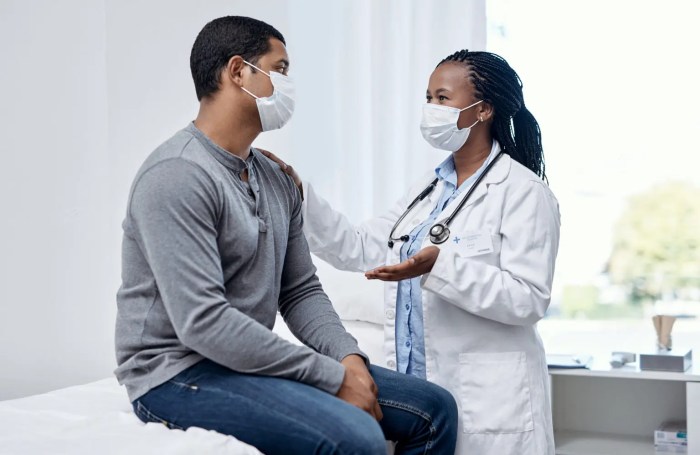
When it comes to traveling, being well-informed about health-related topics is crucial for a safe and enjoyable journey. Health education for travelers plays a significant role in empowering individuals to make informed decisions and take necessary precautions to maintain their well-being while on the go.
Resources for Travelers to Educate Themselves on Health
Accessing reliable health information is essential for travelers to stay informed about potential health risks and preventive measures. Here are some resources that travelers can utilize:
- Government health websites
- Travel health clinics
- Travel health books and guides
- Online health forums and communities
Importance of Health Literacy in Making Informed Travel Decisions
Health literacy refers to the ability to understand and use health information effectively. In the context of travel, being health literate allows travelers to interpret medical advice, navigate healthcare systems in foreign countries, and make informed decisions regarding their well-being.
Tips on Accessing Reliable Health Information While Traveling
Ensuring access to accurate and up-to-date health information is crucial for travelers. Here are some tips to help travelers access reliable health information while on the move:
- Consult with healthcare professionals before traveling
- Use reputable websites and apps for health information
- Carry a basic first aid kit and necessary medications
- Stay informed about local healthcare facilities at your destination
Weight Management Tips for Travelers
Maintaining a healthy weight while traveling can be challenging due to changes in routine and access to different types of food. It’s important for travelers to be mindful of their nutrition and exercise habits to ensure they stay on track with their weight management goals.
Strategies for Healthy Eating
- Avoid excessive snacking on high-calorie foods by packing healthy snacks like fruits, nuts, and granola bars.
- Choose grilled or steamed options at restaurants instead of fried or heavy dishes.
- Stay hydrated by drinking plenty of water and limiting sugary beverages.
Staying Active on the Go
- Take advantage of hotel gyms or outdoor spaces for a quick workout session.
- Explore the destination on foot or by bike to incorporate physical activity into your sightseeing.
- Use bodyweight exercises like push-ups, squats, and lunges in your hotel room for a convenient workout.
Mindful Eating Habits
- Listen to your body’s hunger cues and eat when you’re truly hungry, not out of boredom or stress.
- Avoid overeating by paying attention to portion sizes and stopping when you feel satisfied, not stuffed.
- Plan ahead and research healthy dining options at your destination to make informed choices.
Health Motivation and Goal Setting for Travelers
Setting health goals before and during travel is crucial for maintaining overall well-being and ensuring a positive travel experience. It helps travelers stay focused on their health priorities and encourages them to make conscious choices that align with their wellness objectives. Additionally, goal setting can provide a sense of direction and motivation, making it easier to stay committed to healthy routines while on the road.
Importance of Setting Health Goals
- Setting health goals helps travelers prioritize their well-being amidst the distractions and challenges of travel.
- It allows individuals to track their progress and make adjustments to their health routines as needed.
- Having clear health goals can enhance the overall travel experience by promoting a sense of accomplishment and fulfillment.
Strategies for Staying Committed to Health Routines
- Establish a routine: Incorporate healthy habits into your daily schedule, such as exercise, nutritious meals, and proper hydration.
- Stay accountable: Share your health goals with a travel companion or use a health tracking app to monitor your progress.
- Reward yourself: Celebrate small victories along the way to stay motivated and encouraged.
Enhancing the Travel Experience through Goal Setting
- Setting health goals can inspire travelers to explore new activities that align with their wellness objectives, such as hiking, yoga, or local healthy cuisine.
- By prioritizing health during travel, individuals can boost their energy levels, enhance their mood, and make the most of their journey.
- Goal setting can lead to a more fulfilling travel experience by promoting self-care and holistic well-being.
Yoga Practice for Travelers
Yoga is a fantastic way for travelers to maintain their physical and mental well-being while on the go. The practice of yoga can help promote relaxation, reduce stress, and improve overall health during travel.
Benefits of Yoga for Travelers
- Improves flexibility and posture, which can be affected by long hours of sitting during travel.
- Enhances mental clarity and focus, helping travelers stay alert and mindful during their journey.
- Reduces muscle tension and stiffness, especially after long flights or car rides.
- Promotes better sleep quality, aiding in combating jet lag and ensuring travelers feel well-rested.
Simple Yoga Poses for Travelers, Health checkups for travelers
- Seated Spinal Twist: Sit on the edge of your seat, twist your torso to one side, and hold for a few breaths. Repeat on the other side.
- Neck Rolls: Slowly roll your head in circles, releasing tension in the neck and shoulders.
- Forward Fold: Stand up, hinge at the hips, and fold forward, reaching towards your toes to stretch the hamstrings.
Promoting Relaxation and Stress Reduction
Yoga practice incorporates breathing exercises and mindfulness techniques that can help travelers relax and unwind, reducing stress levels associated with travel. By focusing on the present moment and connecting with the breath, travelers can find a sense of calm amidst the chaos of travel.
Mental Strength Training for Travelers: Health Checkups For Travelers
Traveling can be an exciting experience, but it can also bring unexpected challenges that test our mental resilience. Building mental strength is essential for travelers to cope with stress, uncertainty, and unfamiliar situations. Here are some techniques and practices to help travelers stay mentally strong during their journeys.
Mindfulness Practices
- Practice deep breathing exercises to calm the mind and reduce anxiety.
- Engage in meditation to increase focus and clarity amidst distractions.
- Acknowledge and accept your thoughts and emotions without judgment to cultivate self-awareness.
- Stay present in the moment by focusing on your surroundings and sensations to reduce stress and enhance enjoyment.
Tips for Coping with Unexpected Challenges
- Stay flexible and adaptable to changes in travel plans or unforeseen events.
- Seek support from fellow travelers, locals, or professionals if needed.
- Practice positive self-talk and affirmations to boost confidence and resilience.
- Engage in physical activities or hobbies to distract yourself and release built-up tension.
Health Awareness Campaigns for Travelers
Health awareness campaigns for travelers play a crucial role in educating individuals about potential health risks during travel and empowering them to take necessary precautions to maintain their well-being.
Impact of Health Awareness Campaigns
Health awareness campaigns have a significant impact on promoting well-being during travel by increasing travelers’ knowledge about health risks, preventive measures, and available healthcare services at their destination. These campaigns help travelers make informed decisions regarding their health and safety, ultimately reducing the likelihood of encountering health issues while away from home.
- Increasing awareness about common travel-related illnesses and how to prevent them.
- Promoting vaccinations and other preventive measures specific to different travel destinations.
- Providing information on local healthcare facilities and emergency contacts for travelers to access in case of medical assistance.
Examples of Successful Health Awareness Programs
Successful health awareness programs targeted at travelers include initiatives such as:
- Interactive workshops on travel health and safety organized by travel agencies or healthcare providers.
- Distribution of informative brochures and leaflets containing essential health tips for travelers.
- Online platforms offering detailed guides on health precautions, vaccination requirements, and medical resources in various travel destinations.
User Queries
What are some essential health checkups recommended for travelers?
Common health checkups for travelers include screenings for infectious diseases, vaccinations, blood pressure checks, and updating routine immunizations.
How can travelers find healthcare providers specializing in travel medicine?
Travelers can seek out travel clinics, travel medicine specialists, or consult with their primary care physician for recommendations on healthcare providers well-versed in travel health.
Why is skincare important during travel?
Skincare is vital during travel to protect the skin from environmental stressors, prevent skin issues like sunburn or dryness, and maintain overall skin health while on the go.



More Stories