Balanced Nutrition for Athletes
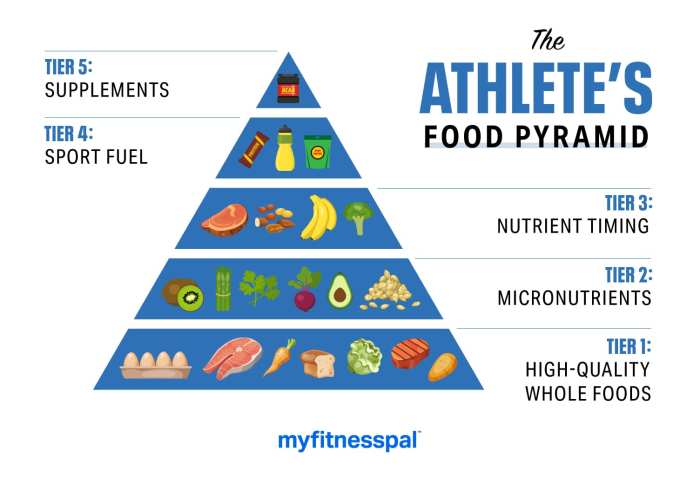
Balanced nutrition for athletes – Proper nutrition is essential for athletes to perform at their best. A balanced diet provides the necessary nutrients to fuel workouts, aid in recovery, and optimize overall athletic performance.
Essential Nutrients for Athletes
Athletes require a variety of essential nutrients to support their active lifestyle. Some key nutrients include:
- Protein: Crucial for muscle repair and growth.
- Carbohydrates: Provide energy for workouts and replenish glycogen stores.
- Fats: Important for hormone production and overall health.
- Vitamins and minerals: Play a role in various bodily functions and performance.
Role of Macronutrients
Macronutrients, such as carbohydrates, proteins, and fats, are the main components of an athlete’s diet. Carbohydrates are the body’s primary source of energy, while proteins are essential for muscle repair and growth. Fats are important for long-lasting energy and overall health.
Creating a Well-Rounded Meal Plan
When planning meals for athletes, it’s important to include a balance of macronutrients and micronutrients. Aim to include a variety of whole foods such as lean proteins, whole grains, fruits, vegetables, and healthy fats. Hydration is also key, so remember to drink plenty of water throughout the day.
Healthy Snacks
When it comes to maintaining energy levels and supporting muscle recovery, healthy snacks play a crucial role in an athlete’s diet. By choosing the right snacks, athletes can fuel their bodies effectively for workouts and aid in the post-exercise recovery process.
Pre-Workout Snacks
- Greek yogurt with berries and a sprinkle of granola
- Whole grain toast with almond butter and banana slices
- Trail mix with nuts, seeds, and dried fruit
Post-Workout Snacks
- Protein smoothie with spinach, banana, protein powder, and almond milk
- Rice cakes with avocado and turkey slices
- Cottage cheese with pineapple chunks and a drizzle of honey
By incorporating nutrient-dense snacks into their diet, athletes can ensure they have the necessary fuel to perform at their best during training sessions and aid in the recovery process afterwards.
Wellness Programs
Wellness programs tailored for athletes play a crucial role in enhancing their overall performance and promoting their well-being. These programs are designed to address the specific needs of athletes and help them achieve their peak physical and mental state.
Tailored Nutrition Plans
One key aspect of wellness programs for athletes is the development of tailored nutrition plans. These plans are customized to meet the unique dietary requirements of each athlete based on their training regimen, body composition, and performance goals. By fueling their bodies with the right nutrients, athletes can optimize their performance and recovery.
Mental Health Support
Wellness programs also include mental health support services to help athletes manage stress, anxiety, and other psychological challenges that may impact their performance. Through counseling, mindfulness practices, and stress management techniques, athletes can improve their mental resilience and focus.
Injury Prevention and Recovery Strategies
Another crucial component of wellness programs for athletes is the implementation of injury prevention and recovery strategies. These programs include strength training, flexibility exercises, and rehabilitation protocols to reduce the risk of injuries and expedite the recovery process. By maintaining optimal physical condition, athletes can perform at their best without setbacks.
Success Stories
Many athletes have benefited significantly from wellness programs, experiencing improved performance, reduced injury rates, and enhanced overall well-being. For example, professional athletes who have incorporated wellness programs into their training routines have reported increased endurance, faster recovery times, and heightened mental focus, leading to greater success in competitions.
Physical Therapy
Physical therapy plays a crucial role in an athlete’s recovery and performance. It focuses on preventing injuries, promoting healing, and enhancing overall physical function. Let’s delve into the importance of physical therapy in an athlete’s routine.
Common Injuries and Physical Therapy Benefits
- Physical therapy helps athletes recover from common injuries such as sprains, strains, and fractures by providing targeted exercises and treatments.
- It aids in reducing pain, swelling, and inflammation, allowing athletes to return to their sport safely and quickly.
- Physical therapy also improves flexibility, strength, and endurance, which are essential for preventing future injuries and enhancing performance.
Sports-Specific Physical Therapy Techniques
- Specific exercises tailored to the demands of the athlete’s sport are incorporated to address weaknesses and imbalances.
- Manual therapy techniques like massage, stretching, and joint mobilization help improve mobility and reduce muscle tension.
- Modalities such as ultrasound, electrical stimulation, and heat/cold therapy may be used to accelerate healing and relieve pain.
Integrating Physical Therapy into Training Routine
- Athletes should work closely with a physical therapist to create a customized treatment plan that complements their training schedule.
- Consistency is key, so incorporating prescribed exercises and therapies into daily routines can help maintain progress and prevent setbacks.
- Regular communication with the physical therapist and adherence to the recommended plan are essential for optimal results.
Health Coaching
Health coaches play a crucial role in guiding athletes towards optimal health by providing personalized support and guidance to help them achieve their health and wellness goals. These professionals focus on empowering athletes to make positive lifestyle changes, improve their overall well-being, and enhance their athletic performance.
Benefits of Having a Health Coach for Athletes
- Customized Nutrition Plans: Health coaches can create personalized nutrition plans tailored to the specific needs of athletes, ensuring they are fueling their bodies properly for optimal performance.
- Accountability and Motivation: Health coaches offer accountability and support to help athletes stay on track with their health and wellness goals, providing motivation to make lasting lifestyle changes.
- Stress Management: Health coaches help athletes manage stress and improve mental resilience, which can have a positive impact on their overall well-being and performance.
Health Coaching Strategies for Improving Athletic Performance
- Goal Setting: Health coaches work with athletes to set achievable goals and create action plans to help them reach their full potential.
- Education and Awareness: Health coaches educate athletes about the importance of proper nutrition, hydration, rest, and recovery to optimize their performance and prevent injuries.
- Mindfulness and Mental Training: Health coaches teach athletes mindfulness techniques and mental training strategies to enhance focus, concentration, and mental toughness during training and competition.
Addressing Physical and Mental Well-being of Athletes
Health coaching goes beyond just physical health and also focuses on the mental well-being of athletes. Coaches help athletes develop a holistic approach to health, addressing both physical and mental aspects to achieve overall wellness and peak performance.
Medical Advancements: Balanced Nutrition For Athletes
Recent medical advancements in sports medicine and nutrition have revolutionized the way athletes train, perform, and recover. Cutting-edge technology has played a significant role in enhancing athletic performance and overall well-being.
Innovative Treatments
One of the most exciting developments in sports medicine is the use of regenerative therapies such as platelet-rich plasma (PRP) injections and stem cell treatments. These innovative techniques have shown promising results in accelerating healing and reducing downtime for athletes with injuries.
Performance Monitoring
Advancements in wearable technology and data analytics have enabled athletes to track their performance metrics in real-time. From heart rate variability to sleep patterns, athletes can now optimize their training and recovery strategies based on objective data.
Rehabilitation Techniques
Physical therapy modalities have evolved with the introduction of state-of-the-art equipment like cryotherapy chambers and hyperbaric oxygen therapy. These modalities aid in faster recovery, reduce inflammation, and promote tissue repair, allowing athletes to return to play sooner.
Personalized Nutrition Plans
Advances in nutritional science have led to the development of personalized nutrition plans tailored to individual athletes’ needs. From DNA testing to microbiome analysis, athletes can now optimize their diets for improved performance, recovery, and overall health.
Fitness Goals
Setting and achieving fitness goals is crucial for athletes to progress and improve their performance. By establishing SMART goals, athletes can stay focused, motivated, and track their progress effectively.
Importance of SMART Fitness Goals
- Specific: Clearly define what you want to achieve, such as increasing strength, improving endurance, or enhancing flexibility.
- Measurable: Set quantifiable targets to track progress, like lifting a certain weight or running a specific distance in a set time.
- Achievable: Ensure your goals are realistic and within reach based on your current fitness level and capabilities.
- Relevant: Align your goals with your overall fitness objectives and how they contribute to your athletic performance.
- Time-bound: Establish a timeline for achieving your goals to create a sense of urgency and keep you accountable.
Tips for Tracking and Achieving Fitness Goals
- Keep a workout journal to record your exercises, sets, reps, and progress over time.
- Use fitness apps or wearable devices to monitor your performance, track your workouts, and analyze your results.
- Regularly assess your progress and adjust your goals as needed to ensure continuous improvement.
- Stay consistent with your training routine and nutrition plan to support your fitness goals.
Examples of Fitness Goals
- Short-term: Increase running speed by 1 minute per mile in the next 4 weeks.
- Long-term: Achieve a body fat percentage of 12% within the next 6 months through a combination of strength training and cardio.
Contribution of Fitness Goals to Motivation and Progress
Setting clear and achievable fitness goals provides athletes with a roadmap for success, boosts motivation, and helps them stay on track with their training. By breaking down larger objectives into smaller, manageable goals, athletes can see tangible progress, stay motivated, and push themselves to new heights in their athletic pursuits.
Mental Strength
Developing mental strength is crucial for athletes to perform at their best and overcome challenges in sports. It involves resilience, focus, and the ability to stay calm under pressure.
Significance of Mental Strength in Athletic Performance
Mental strength plays a vital role in athletic performance as it helps athletes push through physical barriers, stay motivated during tough times, and maintain a positive mindset for optimal results.
Techniques for Improving Mental Resilience and Focus in Sports
- Practice visualization techniques to mentally rehearse success.
- Utilize mindfulness and meditation to stay present and focused.
- Set realistic goals and break them down into manageable steps.
- Work on positive self-talk to boost confidence and motivation.
Real-Life Examples of Athletes Overcoming Mental Challenges
One inspiring example is Michael Phelps, who used visualization and goal-setting to overcome anxiety and achieve incredible success in swimming. Another example is Serena Williams, who maintains mental toughness and focus even under immense pressure during tennis matches.
Strategies for Enhancing Mental Toughness in Competitive Sports
- Build a strong support system with coaches, teammates, and mental health professionals.
- Practice resilience by embracing failure as a learning opportunity.
- Develop pre-game rituals to get into a focused and positive mindset.
- Stay adaptable and flexible in challenging situations to maintain mental toughness.
Yoga Practice
Yoga is a powerful practice that offers numerous benefits for athletes, including improved flexibility, strength, and mental well-being. It can also aid in injury prevention and stress management, making it an essential addition to any athlete’s training regimen.
Benefits of Yoga for Athletes
- Enhanced Flexibility: Yoga helps athletes increase their range of motion, allowing for better performance and reduced risk of injury.
- Increased Strength: Many yoga poses require holding challenging positions, which can build muscle strength and endurance.
- Mental Well-being: The focus on breathing and mindfulness in yoga can help athletes improve their mental clarity, focus, and reduce stress levels.
Yoga Poses for Athletic Performance
- Downward Facing Dog: Strengthens the arms, shoulders, and core while stretching the hamstrings and calves.
- Warrior II: Builds strength in the legs and opens the hips, improving balance and stability.
- Pigeon Pose: Stretches the hip flexors and improves hip mobility, essential for many athletic movements.
Injury Prevention and Stress Management
- Yoga helps athletes improve body awareness, leading to better alignment and reduced risk of overuse injuries.
- The focus on breathing and relaxation techniques in yoga can help athletes manage stress and anxiety, promoting overall well-being.
Integrating Yoga into Training Regimen
- Start with a few simple poses and gradually increase the intensity and duration of your yoga sessions.
- Consider incorporating yoga into your warm-up or cool-down routine to enhance recovery and flexibility.
- Listen to your body and modify poses as needed to avoid strain or injury.
Health Education
Health education plays a crucial role in promoting the overall well-being of athletes. By providing them with the necessary knowledge and skills, athletes can make informed decisions about their health, leading to improved performance and increased longevity in their athletic careers.
Topics for a Comprehensive Health Education Program
- The importance of balanced nutrition for optimal performance
- Understanding the role of hydration in athletic success
- Effective strategies for injury prevention and recovery
- Mental health awareness and stress management techniques
- The benefits of incorporating strength training and flexibility exercises
Resources and Tools for Athletes
- Online courses and webinars on nutrition, fitness, and wellness
- Mobile apps for tracking food intake, hydration levels, and workout progress
- Access to certified health coaches and nutritionists for personalized guidance
- Books and articles written by experts in the fields of sports medicine and nutrition
Empowerment Through Health Education
Health education empowers athletes to take control of their health by arming them with the knowledge they need to make informed decisions. With a better understanding of nutrition, fitness, and wellness, athletes can optimize their training regimens, recover more effectively from injuries, and maintain a healthy work-life balance to support their athletic goals.
Weight Management
Maintaining a healthy weight is crucial for athletes to optimize their performance, prevent injuries, and support overall well-being. Inadequate weight management can lead to decreased energy levels, compromised immune function, and reduced athletic abilities.
Strategies for Healthy Weight Management
- Focus on nutrient-dense foods: Incorporate a variety of fruits, vegetables, whole grains, lean proteins, and healthy fats into your meals to ensure you are getting essential nutrients while managing your weight.
- Stay hydrated: Proper hydration is key for metabolism and overall health. Drink an adequate amount of water throughout the day, especially before, during, and after workouts.
- Aim for balanced meals: Include a balance of carbohydrates, proteins, and fats in each meal to support energy levels and muscle recovery.
- Monitor portion sizes: Be mindful of portion sizes to avoid overeating and unnecessary calorie intake. Listening to your body’s hunger and fullness cues can help you eat intuitively.
- Regular physical activity: In addition to structured workouts, incorporate daily movement into your routine to support weight management and overall health.
Nutrient-Dense Foods for Weight Management
| Food | Nutrients |
|---|---|
| Quinoa | Protein, fiber, iron, magnesium |
| Salmon | Omega-3 fatty acids, protein, vitamin D |
| Avocado | Healthy fats, fiber, potassium |
| Spinach | Vitamins A, C, K, iron, calcium |
| Greek Yogurt | Protein, probiotics, calcium |
Impact of Proper Weight Management on Athletic Performance
- Enhanced endurance: Maintaining a healthy weight can improve your stamina and endurance during training and competitions.
- Optimized power-to-weight ratio: Achieving an ideal weight for your body type can enhance your power output relative to your body mass.
- Reduced risk of injuries: Proper weight management can help reduce the strain on your joints and muscles, decreasing the risk of injuries during physical activities.
- Improved recovery: Managing your weight effectively can support faster recovery after intense workouts, allowing you to bounce back quicker and perform at your best.
Health Checkups
Regular health checkups are essential for athletes to monitor their overall well-being and ensure optimal performance. These checkups help detect any underlying health issues early on and prevent them from escalating into more serious conditions.
Key Health Markers to Monitor
- Blood pressure: High blood pressure can increase the risk of heart disease and other cardiovascular issues.
- Blood sugar levels: Monitoring blood sugar levels is crucial for athletes, especially those at risk of diabetes.
- Cholesterol levels: High cholesterol levels can lead to plaque buildup in arteries, affecting blood flow and overall health.
- Bone density: Athletes should assess their bone density to prevent injuries and conditions like osteoporosis.
Preventing Potential Health Issues
Regular health checkups can help athletes identify any health concerns early on, allowing for prompt treatment and management. By staying proactive with their health, athletes can prevent potential issues from affecting their performance and overall well-being.
Scheduling and Prioritizing Checkups
It is important for athletes to schedule regular health checkups around their training and competition schedules. Prioritizing these checkups ensures that athletes stay on top of their health and can address any issues before they impact their performance. Consulting with a healthcare provider can help athletes create a customized health checkup plan that fits their individual needs and goals.
Skin Health
Regular physical activity has various benefits for athletes, but it can also have an impact on skin health. The constant exposure to sweat, friction from clothing, and environmental factors can lead to skin issues if not properly managed. It is essential for athletes to take care of their skin to prevent problems and maintain a healthy complexion.
Skincare Tips for Athletes
- Avoid wearing tight clothing that can cause friction and irritation on the skin.
- Always shower immediately after a workout to remove sweat and bacteria that can clog pores.
- Use a gentle cleanser to wash your face and body to prevent breakouts and maintain skin hydration.
- Apply a moisturizer suitable for your skin type to keep it hydrated and protected.
- Don’t forget to apply sunscreen before outdoor activities to protect your skin from harmful UV rays.
Common Skin Issues for Athletes and Solutions
- Acne: Sweat can mix with bacteria and oils on the skin, leading to breakouts. Use non-comedogenic products and wash your face regularly.
- Chafing: Friction from clothing can cause chafing, leading to redness and irritation. Wear moisture-wicking fabrics and apply anti-chafing products.
- Dry Skin: Intense physical activity can strip the skin of its natural oils, leading to dryness. Use a hydrating moisturizer to replenish moisture.
Recommended Skincare Products for Athletes
- Oil-free sunscreen with at least SPF 30 to protect the skin during outdoor workouts.
- Antibacterial body wash to prevent body acne and breakouts.
- Hydrating face masks to replenish moisture after intense training sessions.
- Moisture-wicking body lotions to keep the skin hydrated without feeling greasy.
Emotional Health
Emotional well-being plays a crucial role in an athlete’s overall performance. Managing stress, anxiety, and other emotional challenges is essential for peak athletic success. Athletes who prioritize their emotional health often experience improved focus, resilience, and motivation, leading to better results in their sport.
Strategies for Emotional Well-Being
- Practice mindfulness and relaxation techniques to reduce stress levels.
- Seek support from a mental health professional or counselor to address any emotional concerns.
- Maintain a balance between training, rest, and personal time to prevent burnout.
- Cultivate a positive mindset through affirmations, visualization, and gratitude exercises.
- Engage in activities outside of sports that bring joy and fulfillment.
Health Motivation
Maintaining a healthy lifestyle as an athlete requires consistent motivation to stay on track with training, competitions, and recovery. Motivation plays a crucial role in helping athletes overcome challenges, push their limits, and achieve their fitness goals.
Tips for Staying Motivated
- Set specific, measurable, achievable, relevant, and time-bound (SMART) goals to give yourself direction and something to strive for.
- Find a workout buddy or join a group exercise class to stay accountable and motivated through social support.
- Reward yourself for reaching milestones or achieving personal bests to celebrate your progress and stay motivated for future achievements.
- Visualize success by imagining yourself accomplishing your goals, which can help boost motivation and drive towards reaching them.
Examples of Motivational Techniques
- Positive self-talk: Using affirmations and encouraging words to boost confidence and motivation.
- Mental imagery: Visualizing successful outcomes and performances to enhance motivation and focus.
- Setting short-term and long-term goals: Breaking down larger objectives into smaller, manageable tasks to maintain motivation and progress.
Enhancing Health Motivation with Personal Goals
Setting personal goals can enhance health motivation for athletes by providing a clear purpose and direction for their efforts. Whether it’s improving performance, increasing endurance, or enhancing overall well-being, having specific goals in mind can help athletes stay focused, motivated, and committed to their health and fitness journey.
Physical Activities
Regular physical activity is crucial for athletes to maintain overall fitness, enhance performance, and prevent injuries. It is essential to incorporate a variety of physical activities into their training regimen to achieve optimal results.
Cross-Training Benefits
Cross-training involves engaging in different types of exercises and activities to work various muscle groups and prevent overuse injuries. It not only improves overall fitness but also helps in enhancing endurance, strength, flexibility, and agility. For example, a runner can benefit from incorporating swimming or cycling into their routine to build cardiovascular fitness without placing excessive stress on their joints.
Examples of Complementary Activities
Some examples of complementary physical activities for athletes include:
- Strength training to improve muscle mass and power
- Yoga or Pilates for flexibility, balance, and core strength
- Interval training to boost cardiovascular endurance
- Skill-based activities related to their sport for technique improvement
Tips for Balancing Activities
To balance different types of physical activities effectively, athletes should:
- Rotate activities to prevent boredom and overuse injuries
- Listen to their body and adjust intensity and duration accordingly
- Include rest days for recovery and muscle repair
- Consult with a coach or trainer to create a well-rounded training plan
Health Awareness
Health awareness plays a crucial role in the lives of athletes, as it helps them make informed decisions about their well-being and performance. By staying educated about health-related topics, athletes can prevent injuries, optimize their training routines, and improve their overall quality of life.
Initiatives Promoting Health Awareness
- Organizing workshops and seminars on nutrition, mental health, and injury prevention.
- Collaborating with healthcare professionals to provide personalized health education to athletes.
- Implementing regular health screenings and assessments to monitor athletes’ well-being.
- Encouraging open communication and destigmatizing discussions about health issues within sports communities.
Success Stories of Athletes Benefitting from Health Awareness
-
An athlete who received timely education on injury prevention techniques was able to avoid a potentially career-threatening injury during a crucial competition.
-
Another athlete, after attending a nutrition workshop, improved their diet and noticed a significant boost in their energy levels and performance.
Tips for Athletes to Stay Informed
- Follow reputable health and sports organizations on social media for updates on the latest health trends.
- Attend health and wellness events to gain firsthand knowledge from experts in the field.
- Consult with a healthcare provider or sports medicine specialist regularly to address any health concerns or questions.
Preventive Medicine
Preventive medicine plays a crucial role in maintaining the health and well-being of athletes. By focusing on proactive measures to prevent illnesses and injuries, athletes can optimize their performance and longevity in their respective sports.
Preventive Measures for Athletes
- Athletes should prioritize regular health checkups to monitor their overall well-being and identify any potential issues early on.
- Proper nutrition and hydration are essential preventive measures that can help athletes maintain peak performance and prevent injuries.
- Ensuring adequate rest and recovery time is crucial in preventing overtraining and burnout, which can lead to long-term health issues.
- Implementing a well-rounded fitness program that includes strength training, flexibility exercises, and cardiovascular workouts can help prevent musculoskeletal injuries.
Benefits of Preventive Medicine for Athletes
- Preventive medicine strategies contribute to long-term athletic success by reducing the risk of injuries and illnesses that can derail training and competition schedules.
- By focusing on prevention, athletes can maintain their physical and mental health, leading to improved performance and overall well-being.
- Preventive healthcare programs designed specifically for athletes can provide personalized care and support to address their unique needs and challenges.
Nutritional Counseling
Nutritional counseling plays a crucial role in the overall health and performance of athletes. It involves working with a qualified nutritionist to create personalized dietary plans tailored to the specific needs of each athlete.
Importance of Nutritional Counseling for Athletes
- Optimizes Performance: Proper nutrition can enhance athletic performance by providing the necessary nutrients for energy, muscle recovery, and overall well-being.
- Prevents Injuries: A well-balanced diet can help prevent injuries and promote faster recovery in case of any physical strain or damage.
- Supports Overall Health: Nutritional counseling not only focuses on performance but also on the athlete’s overall health, ensuring they are in top condition to excel in their sport.
Benefits of Working with a Nutritionist, Balanced nutrition for athletes
- Expert Guidance: Nutritionists are trained professionals who can offer expert guidance on dietary requirements based on individual needs and goals.
- Personalized Plans: Nutritionists can create personalized meal plans that take into account an athlete’s training regimen, body composition, and specific nutritional needs.
- Continuous Support: Working with a nutritionist provides ongoing support and accountability to help athletes stay on track with their dietary goals.
Finding a Qualified Nutritional Counselor for Athletes
- Check Credentials: Look for nutritionists with proper certifications and experience working with athletes in your specific sport.
- Ask for Recommendations: Seek recommendations from coaches, teammates, or other athletes who have had positive experiences with nutritional counseling.
- Initial Consultation: Schedule an initial consultation to discuss your goals, dietary preferences, and any specific needs or restrictions you may have.
Personalized Nutritional Counseling for Improved Performance
- Individualized Approach: Personalized nutritional counseling takes into consideration each athlete’s unique requirements, helping them optimize their performance and recovery.
- Targeted Nutrient Intake: Nutritionists can tailor nutrient intake to support specific training goals, whether it’s building muscle, improving endurance, or enhancing recovery.
- Long-Term Benefits: By working closely with a nutritionist, athletes can develop healthy eating habits that support their athletic endeavors in the long run.
Healthy Mind
Maintaining a healthy mind is crucial for athletes as it directly impacts their performance and overall well-being. The connection between mental health and physical well-being cannot be understated, as a healthy mind is essential for athletes to reach their full potential.
Mindfulness and Relaxation Techniques
- Practicing mindfulness and relaxation techniques can help athletes manage stress and anxiety, improve focus and concentration, and enhance overall mental resilience.
- Deep breathing exercises, meditation, and visualization techniques are effective ways to promote relaxation and reduce mental fatigue.
- Engaging in activities like yoga or tai chi can also help athletes cultivate mindfulness and enhance self-awareness.
Prioritizing Mental Health
- Athletes should prioritize their mental health alongside their physical training regimen to achieve a balanced approach to overall wellness.
- Seeking support from mental health professionals, coaches, or teammates can provide valuable resources and guidance for maintaining a healthy mind.
- Participating in regular mental health check-ins and incorporating mental wellness programs into training routines can help athletes proactively address any challenges or concerns.
Benefits of a Healthy Mind
- A healthy mind contributes to improved decision-making, emotional regulation, and resilience in the face of adversity, all of which are essential for athletic success.
- Enhanced mental well-being can also lead to increased motivation, confidence, and overall satisfaction with one’s performance and progress as an athlete.
- By prioritizing mental health, athletes can optimize their training efforts, prevent burnout, and sustain long-term success in their athletic endeavors.
General Inquiries
What are the best pre-workout snacks for athletes?
Opt for options like Greek yogurt with berries, whole grain toast with almond butter, or a banana with a handful of nuts for sustained energy.
How can athletes ensure they are getting enough protein in their diet?
Athletes can incorporate lean sources of protein such as chicken breast, tofu, eggs, or legumes into their meals and snacks throughout the day.
Is it necessary to take supplements for balanced nutrition as an athlete?
While it’s possible to meet nutrient needs through whole foods, some athletes may benefit from supplements under the guidance of a healthcare provider or nutritionist.
How can athletes stay hydrated effectively during training sessions?
Athletes should aim to drink water consistently throughout the day and consider sports drinks for prolonged intense workouts to replenish electrolytes.
What role do carbohydrates play in an athlete’s diet?
Carbohydrates are essential for providing quick energy, especially during high-intensity activities, making them a crucial component of an athlete’s fueling strategy.


More Stories